


Top Credit Card Issuers in the US
- Chase – A leader in the U.S. market for both travel rewards and cash back cards.
- Capital One – Well-known for flexible products for all credit types and user-friendly apps.
- American Express – Best for premium perks, travel protections, and strong customer care.
- PenFed – Trusted by many for its low-interest rate offerings and membership focus.
Major Bank Credit Cards
Most U.S. banks offer broad credit card options. You’ll find attractive APR offers, large sign-up bonuses, and robust rewards. Still, applicants usually need a strong credit profile and sufficient income to qualify.
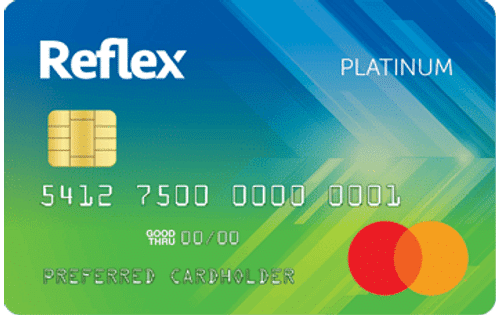
Reflex Platinum Mastercard Credit Card
Designed for accessibility, the Reflex Platinum Mastercard doesn’t require a deposit and allows users to prequalify without affecting their credit score. It offers monthly credit bureau reporting and potential credit line increases. U.S. consumers with fair or poor credit may find this card useful for credit rehabilitation. It comes with basic Mastercard benefits like fraud protection and can be managed online or via mobile. Note that higher fees and interest apply, so it’s best used as a credit-building tool, not for large purchases.
Fintech or Online-Only Credit Card Issuers
Digital cards are ideal for users who prefer app-based management and alternative underwriting. Cards from fintechs like Varo or Petal may not check your credit but instead use real-time financial activity. These are innovative but might not help as much with traditional FICO score building.
Secured Credit Cards for Building Credit
Offering a safety net via deposit, secured cards let users grow credit with minimal risk. While limits are often lower, they’re widely accepted and offer simple structures for financial discipline.
Retail Store Credit Cards
These are widely available but come with caution. Limited usability and high APRs can make store cards costly over time. Their rewards often apply only to future purchases at the same retailer, reducing flexibility.
How Credit Cards Impact Your Finances and Credit Score in the US
Your credit cards influence several factors of your FICO score. The most important is credit utilization—keeping your balance below 30% of your limit shows financial responsibility. On-time payments build history, while missed ones drag your score down. Using credit responsibly also keeps your DTI manageable, making loan approvals easier. Balance transfers can reduce interest, but only if balances are repaid in time. Cards with extra protections and benefits like those from Mastercard provide value beyond spending. Avoid over-applying to limit hard inquiries, and always read card agreements to fully understand terms. Paying balances in full helps you build strong credit and avoid interest altogether.

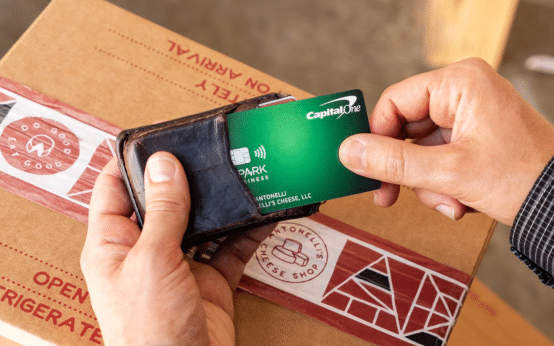 Capital One Spark Cash Plus: Turn Every Business Dollar into Profit <p class='sec-title' style='line-height: normal; font-weight: normal;font-size: 16px !important; text-align: left;margin-top: 8px;margin-bottom: 0px !important;'>The card built for businesses that mean business. Apply today and let your business spending start working for you.</p>
  Mission Lane Visa Credit Card: A Solution for Credit Builders <p class='sec-title' style='line-height: normal; font-weight: normal;font-size: 16px !important; text-align: left;margin-top: 8px;margin-bottom: 0px !important;'>Build credit with transparency and confidence—no deposit required, no confusing fees, and full control over your financial growth.</p>
  TD FlexPay Credit Card: Credit with Room to Breathe <p class='sec-title' style='line-height: normal; font-weight: normal;font-size: 16px !important; text-align: left;margin-top: 8px;margin-bottom: 0px !important;'>With the TD FlexPay Credit Card, you get more than a credit line — you get flexibility, simplicity, and smart tools that work for you. </p>