


Medicaid Expansion in 2025 is a critical federal-state partnership ensuring healthcare for low-income individuals, with eligibility and coverage details varying significantly across participating states.
As we look toward 2025, understanding Medicaid Expansion 2025 is more crucial than ever for millions of low-income Americans seeking affordable healthcare. This vital program, a cornerstone of the Affordable Care Act (ACA), continues to evolve, bringing with it new opportunities and challenges for states and beneficiaries alike.
The Foundation of Medicaid Expansion: What It Means for 2025
Medicaid expansion represents a significant shift in how healthcare is delivered to low-income adults in the United States. It allows states to extend Medicaid coverage to nearly all non-elderly adults with incomes up to 138% of the federal poverty level (FPL). This federal-state partnership aims to reduce the number of uninsured individuals and improve health outcomes for vulnerable populations.
For 2025, the core principles remain, but the landscape is continuously shaped by legislative actions, economic shifts, and state-level decisions. States that have adopted expansion receive enhanced federal funding, covering a substantial portion of the costs associated with newly eligible enrollees. This financial incentive has been a key driver for many states to expand their programs, recognizing the dual benefit of improving public health and bolstering local economies.
Historical Context and Current Status
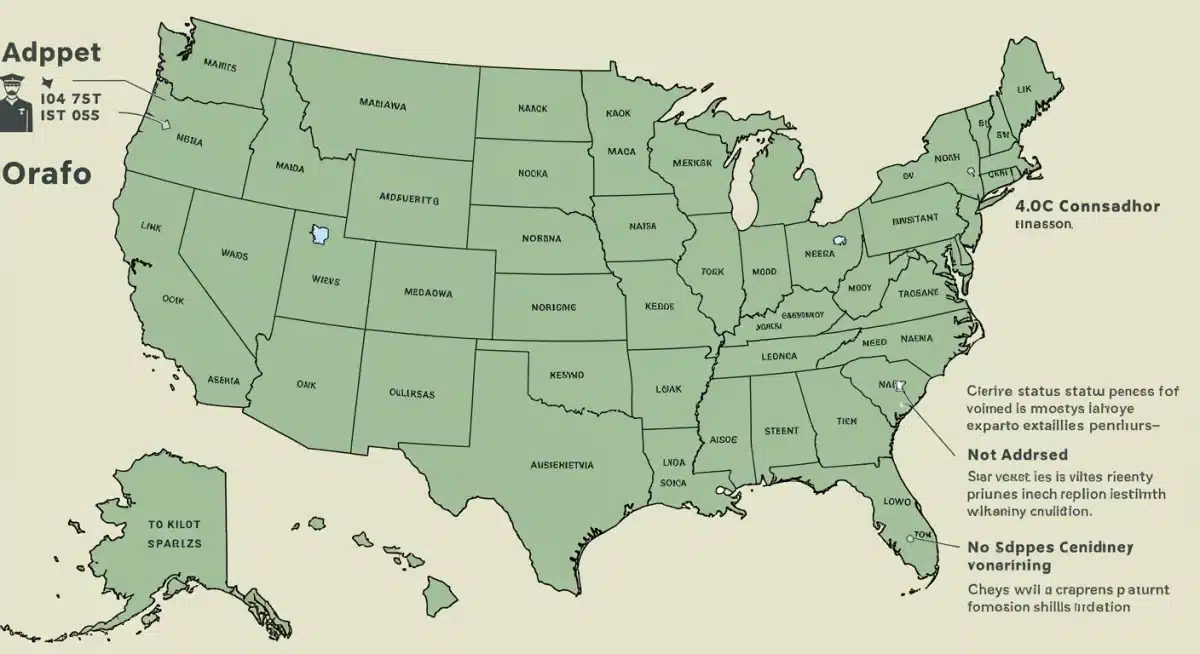
The journey of Medicaid expansion has been marked by varying adoption rates across states since its inception. Initially, the Supreme Court made expansion optional for states, leading to a patchwork system of coverage. As of early 2025, a majority of states have expanded Medicaid, but a notable number still have not, creating significant disparities in healthcare access nationwide. These non-expansion states often cite fiscal concerns or philosophical opposition to the ACA as their primary reasons.
- Federal Poverty Level (FPL): The benchmark for eligibility, adjusted annually.
- Enhanced Federal Match (FMAP): Federal government contributes a higher percentage of costs for expansion populations.
- Coverage Gap: Individuals in non-expansion states who earn too much for Medicaid but too little for ACA marketplace subsidies.
Understanding the historical context helps to frame the current situation and anticipate future changes. Each state’s decision-making process is influenced by unique political, economic, and social factors, leading to a dynamic and often complex environment for Medicaid beneficiaries and advocates alike. The ongoing debate around healthcare accessibility ensures that Medicaid expansion remains a prominent topic in both federal and state policy discussions.
In conclusion, Medicaid expansion continues to be a critical mechanism for extending healthcare coverage. Its enduring presence and evolving nature underscore the importance of staying informed about its impact on low-income Americans and the broader healthcare system.
State-by-State Updates: Navigating the Landscape of Medicaid Expansion
The state-by-state implementation of Medicaid expansion presents a complex and varied picture for 2025. While many states have embraced the expansion, others continue to resist, and some are exploring alternative models or considering future adoption. This diverse landscape means that eligibility and available services can differ significantly depending on where one resides.
Each state’s approach is influenced by its unique political climate, economic conditions, and existing healthcare infrastructure. For example, states that have expanded Medicaid have generally seen a decrease in their uninsured rates and improved access to preventative care. Conversely, non-expansion states often grapple with higher uninsured populations, leading to greater reliance on emergency rooms for primary care and increased uncompensated care costs for hospitals.
Recent Developments in Expansion States
Several states that previously expanded Medicaid are now focusing on optimizing their programs. This includes initiatives to streamline enrollment processes, enhance care coordination, and address social determinants of health. These efforts aim to not only increase enrollment but also ensure that beneficiaries receive comprehensive and effective care.
- Streamlined Enrollment: Digital platforms and simplified applications making it easier for eligible individuals to sign up.
- Care Coordination Programs: Initiatives designed to connect beneficiaries with primary care physicians and specialists, avoiding fragmented care.
- Addressing Social Determinants: Programs that consider factors like housing, food security, and transportation as part of overall health management.
States Considering or Resisting Expansion
A handful of states continue to debate the merits of Medicaid expansion. These discussions often revolve around the financial implications for state budgets, despite the significant federal funding available. Advocates in these states continue to push for expansion, highlighting the potential benefits for their low-income residents and local economies. The political will and public sentiment in these states play a crucial role in whether expansion will eventually be adopted.
As 2025 progresses, legislative sessions in these states will likely revisit the issue, with potential for new developments. Understanding the specific nuances of each state’s stance is essential for anyone tracking healthcare policy or seeking coverage. The ongoing shifts underscore the dynamic nature of healthcare access in the U.S.
In summary, the state-by-state variations in Medicaid expansion remain a defining characteristic of the program. These differences directly impact who is covered and what services are available, highlighting the need for localized information and advocacy.
Eligibility Criteria for Low-Income Americans in 2025
For low-income Americans, understanding the eligibility criteria for Medicaid expansion in 2025 is paramount to accessing essential healthcare services. While the federal framework sets a general guideline, state-specific rules can introduce additional layers of complexity. The primary determinant for eligibility under expansion is income relative to the Federal Poverty Level (FPL).
In expansion states, adults under 65, who are not pregnant or do not have dependent children, can qualify if their household income is at or below 138% of the FPL. For a single individual, this means an annual income threshold that adjusts each year. For families, the income limit increases with household size. It is important to note that FPL figures are updated annually by the Department of Health and Human Services.
Income Thresholds and Household Composition
The calculation of household income for Medicaid eligibility can be intricate. It generally includes most sources of earned and unearned income, with some exceptions. Household composition also plays a significant role, as it determines the applicable FPL threshold. For instance, a single parent with two children will have a different income limit than a childless couple.
Beyond income, other factors may influence eligibility. These typically include:
- Residency: Applicants must be residents of the state in which they apply.
- Citizenship/Immigration Status: Most applicants must be U.S. citizens or qualified non-citizens.
- Age: While expansion primarily targets non-elderly adults, specific age groups may have different eligibility pathways.
It’s crucial for individuals to check the specific requirements of their state’s Medicaid program, as some states may have additional criteria or waivers in place. These state-specific rules can sometimes create confusion, making it beneficial to consult with local Medicaid offices or navigators.
Special Considerations and Enrollment Periods
Unlike marketplace insurance, Medicaid enrollment is generally open year-round for those who meet the eligibility criteria. There are no specific open enrollment periods, meaning individuals can apply at any time their circumstances change and they become eligible. However, some states might have specific policies regarding renewals or redeterminations that beneficiaries need to be aware of.
Certain populations, such as pregnant women, children, and individuals with disabilities, often have different or more lenient eligibility pathways, even in non-expansion states. These groups are typically covered under traditional Medicaid programs, which predate the ACA expansion.
In essence, eligibility for Medicaid expansion in 2025 hinges primarily on income relative to the FPL, coupled with state-specific residency and citizenship requirements. Staying informed about these criteria is the first step toward securing vital healthcare coverage.
Impact on Healthcare Access and Outcomes for Low-Income Populations
Medicaid expansion has profoundly reshaped healthcare access and outcomes for low-income populations across the United States. In states that have adopted the expansion, millions of previously uninsured individuals have gained comprehensive health coverage, leading to a cascade of positive effects on public health and economic well-being.
Before expansion, many low-income adults in certain states faced a significant coverage gap, earning too much to qualify for traditional Medicaid but too little to afford marketplace insurance. Expansion closed this gap, providing access to primary care, preventative services, prescription drugs, and mental health support. This access is critical for managing chronic conditions, preventing serious illnesses, and ensuring overall health.
Improved Health Indicators
Studies consistently demonstrate that states with Medicaid expansion have experienced notable improvements in various health indicators. These improvements include:
- Decreased Mortality Rates: Research indicates a reduction in deaths among adults in expansion states, particularly for conditions treatable with timely medical care.
- Earlier Diagnosis and Treatment: Expanded access leads to earlier detection of diseases like cancer and diabetes, improving treatment outcomes.
- Reduced Uncompensated Care: Hospitals in expansion states report lower levels of uncompensated care, as more patients have insurance coverage.
Beyond physical health, Medicaid expansion has also significantly enhanced access to mental health and substance abuse services. These services are often out of reach for uninsured individuals, contributing to worsening crises in communities. With coverage, more people can seek help, leading to better mental health outcomes and reduced rates of addiction.
Economic Benefits and Financial Security
The impact of Medicaid expansion extends beyond individual health to broader economic benefits. When low-income individuals have health insurance, they are less likely to incur medical debt, which is a leading cause of bankruptcy in the U.S. This financial security allows families to allocate resources to other essential needs, such as food and housing.
Furthermore, the increased federal funding flowing into expansion states stimulates local economies, supporting healthcare providers and creating jobs. Hospitals, clinics, and other healthcare facilities can hire more staff and invest in infrastructure, further strengthening the healthcare system.
In conclusion, Medicaid expansion has been a transformative policy for low-income Americans, dramatically improving their access to healthcare and leading to better health outcomes and greater financial stability. The ongoing benefits underscore its importance as a public health initiative.
Challenges and Future Outlook for Medicaid Expansion in 2025
While Medicaid expansion has yielded significant benefits, it is not without its challenges, and the future outlook for 2025 remains dynamic. States, policymakers, and beneficiaries continue to navigate a complex landscape of funding debates, policy adjustments, and evolving healthcare needs. Addressing these challenges is crucial for the sustained success and equitable reach of the program.
One primary challenge revolves around the financial sustainability of the program, particularly for states. Although the federal government covers a substantial portion of the costs for the expansion population, states are still responsible for their share. Economic downturns or shifts in federal policy could place additional pressure on state budgets, potentially leading to debates about program modifications or even withdrawal, though such actions are rare due to the established benefits and federal match.
Policy Debates and Potential Reforms
Ongoing policy debates frequently center on the balance between federal and state control, as well as the scope of services covered. Some policymakers advocate for greater flexibility for states to implement work requirements or other eligibility restrictions, while others emphasize maintaining broad access without additional barriers. These discussions often reflect broader ideological differences regarding the role of government in healthcare.
- Work Requirements: Proposals to link Medicaid eligibility to employment or job-seeking activities, often controversial.
- Cost-Sharing: Debates over whether beneficiaries should pay a greater share of costs through premiums or co-pays.
- Block Grants: Suggestions to convert federal Medicaid funding into block grants, giving states more control but potentially less funding.
The political climate also plays a significant role. Changes in presidential administrations or state legislative majorities can lead to shifts in policy priorities and funding availability. This political volatility means that the future of Medicaid expansion is subject to ongoing legislative and executive actions.
Expanding Reach and Addressing Disparities
Looking ahead, a key focus for Medicaid expansion in 2025 will be to further expand its reach to the remaining non-expansion states and address existing health disparities. Efforts are continuously made to educate the public about the benefits of expansion and to encourage holdout states to adopt the program. Additionally, there’s a growing recognition of the need to address racial and ethnic health disparities within the Medicaid population, ensuring equitable access and quality of care for all beneficiaries.
Technological advancements, such as telehealth, are also expected to play an increasing role in delivering Medicaid services, especially in rural or underserved areas. These innovations can help overcome geographical barriers and improve access to specialists and mental health services.
In conclusion, while the future of Medicaid expansion in 2025 faces potential challenges from policy debates and funding concerns, there is also a strong drive to expand its benefits, address inequities, and leverage new technologies to improve healthcare access for low-income Americans.
Enrollment Process and Resources for Low-Income Individuals
For low-income individuals in 2025, understanding the enrollment process for Medicaid expansion is the critical step toward securing essential healthcare. While the specifics can vary by state, the general pathway to enrollment is designed to be accessible, often utilizing online portals, phone applications, or in-person assistance. It’s important to remember that there is no specific open enrollment period for Medicaid; eligible individuals can apply at any time.
The primary method for application is typically through the state’s Medicaid agency website or the federal HealthCare.gov marketplace. Both platforms are designed to guide applicants through the process, prompting for necessary personal and financial information. The information provided is then used to determine eligibility based on income, household size, and other state-specific criteria.
Key Steps in the Application Process
Navigating the application can seem daunting, but it generally follows a straightforward sequence. Here are the key steps:
- Gather Documentation: Collect necessary documents such as proof of income, residency, citizenship or immigration status, and household size.
- Choose Application Method: Decide whether to apply online, by phone, mail, or in person at a local Medicaid office or health center.
- Complete the Application: Fill out the application accurately and completely, providing all requested information.
After submission, the state Medicaid agency will review the application. This review process can take several weeks, during which the agency may request additional information or documentation. Once a decision is made, applicants will be notified of their eligibility status and, if approved, will receive information about their coverage and how to access services.
Available Resources and Assistance
Numerous resources are available to help low-income individuals navigate the Medicaid enrollment process. These resources can provide invaluable assistance, especially for those who may find the application complex or have language barriers.
State Medicaid offices are often the first point of contact, offering direct assistance and information. Additionally, community health centers, local social service agencies, and non-profit organizations frequently provide free help with applications. Many states also have trained navigators or assisters who can offer personalized guidance through the enrollment process, helping individuals understand their options and complete the necessary paperwork.
These resources are crucial for ensuring that eligible individuals do not miss out on coverage due to lack of information or support. They empower applicants to make informed decisions and successfully enroll in a program that can significantly improve their health and financial stability.
In conclusion, while the enrollment process for Medicaid expansion in 2025 requires attention to detail, a wealth of resources exists to support low-income individuals. Utilizing these resources can simplify the application and ensure access to vital healthcare coverage.
Understanding Your Rights and Responsibilities as a Medicaid Beneficiary
Becoming a Medicaid beneficiary in 2025 comes with both significant rights and important responsibilities. Understanding these aspects is crucial for effectively utilizing your healthcare benefits and maintaining your coverage. Medicaid is designed to provide comprehensive care, and knowing your entitlements ensures you receive the services you need, while fulfilling your responsibilities helps the program function smoothly for everyone.
As a beneficiary, you have the right to access necessary medical services, including doctor visits, hospital care, prescription drugs, mental health services, and preventative care. You also have the right to choose your healthcare providers from those participating in Medicaid, within the scope of your state’s managed care plans or fee-for-service options. Furthermore, you are entitled to privacy regarding your health information and have the right to appeal decisions made by your state Medicaid agency regarding your eligibility or services.
Your Rights as a Beneficiary
Medicaid beneficiaries are protected by federal and state laws that guarantee access to care and fair treatment. These rights include:
- Access to Care: The right to receive medically necessary services without discrimination.
- Choice of Providers: The ability to select providers within the Medicaid network.
- Confidentiality: Protection of personal health information under HIPAA.
- Appeals Process: The right to challenge decisions about eligibility or services.
It is important to familiarize yourself with the specific rights outlined by your state’s Medicaid program, as there can be variations. If you believe your rights have been violated, there are usually grievance procedures and advocacy organizations available to provide assistance.
Your Responsibilities as a Beneficiary
Along with rights, beneficiaries also have responsibilities that contribute to the effective administration of the Medicaid program. These responsibilities primarily involve maintaining accurate information and actively participating in your healthcare. Key responsibilities include:
You must promptly report any changes in your income, household size, or residency to your state Medicaid agency. Failure to report changes could result in loss of coverage or even a requirement to repay benefits received while ineligible. It’s also your responsibility to renew your Medicaid coverage when required, typically annually, to ensure continuous access to care.
Engaging actively in your healthcare means attending appointments, following treatment plans, and communicating openly with your providers. While Medicaid aims to remove financial barriers, it also relies on beneficiaries to be proactive in managing their health.
In conclusion, understanding your rights ensures you receive the full scope of benefits offered by Medicaid expansion in 2025, while fulfilling your responsibilities helps maintain the integrity of the program and ensures continuous coverage for your healthcare needs.
| Key Aspect | Brief Description |
|---|---|
| Eligibility | Primarily for non-elderly adults up to 138% FPL in expansion states. |
| State Variations | Policies, benefits, and adoption status differ significantly by state. |
| Healthcare Access | Improved access to primary, preventative, and mental health care. |
| Enrollment | Year-round application process, with state and community assistance available. |
Frequently Asked Questions About Medicaid Expansion in 2025
The primary income limit for Medicaid expansion in 2025 is typically 138% of the Federal Poverty Level (FPL) for non-elderly adults. This threshold is adjusted annually, so it’s essential to check the most current FPL guidelines from the Department of Health and Human Services or your state’s Medicaid agency for precise figures.
No, not all states participate in Medicaid expansion. While a majority of states have adopted it, a notable number have not. This creates a coverage gap in non-expansion states where low-income individuals may not qualify for Medicaid or marketplace subsidies, leading to significant disparities in healthcare access.
Medicaid expansion significantly improves healthcare access for low-income individuals by providing comprehensive coverage for doctor visits, preventative care, prescription drugs, and mental health services. This leads to earlier diagnosis, better management of chronic conditions, and reduced reliance on emergency rooms for primary care, enhancing overall health outcomes.
Yes, unlike marketplace health insurance, Medicaid enrollment is generally open year-round for those who meet the eligibility criteria. You can apply at any time if your circumstances change and you become eligible. Applications can typically be submitted online, by phone, mail, or in person at state Medicaid offices.
As a Medicaid beneficiary, your responsibilities include promptly reporting changes in income, household size, or residency to your state agency. You must also renew your coverage when required, typically annually, and actively participate in your healthcare by attending appointments and following treatment plans to ensure continuous, effective care.
Conclusion
The landscape of Medicaid Expansion in 2025 underscores its continued importance as a critical safety net for millions of low-income Americans. While state-by-state variations persist, the program consistently strives to enhance healthcare access, improve health outcomes, and provide financial security. Staying informed about eligibility criteria, state updates, and available resources is paramount for beneficiaries and advocates alike, ensuring that this vital federal-state partnership continues to meet the evolving healthcare needs of vulnerable populations across the United States.

 2026 SNAP EBT Changes: Essential Guide for 3 Million Households
  Maximize Social Security: 5 Key Strategies for 2026 Payments
  Medicaid Expansion: 15 Million More Americans Qualify for Healthcare