
U.S. Universities Embrace Hybrid Learning: Future of Higher Ed
Anúncios
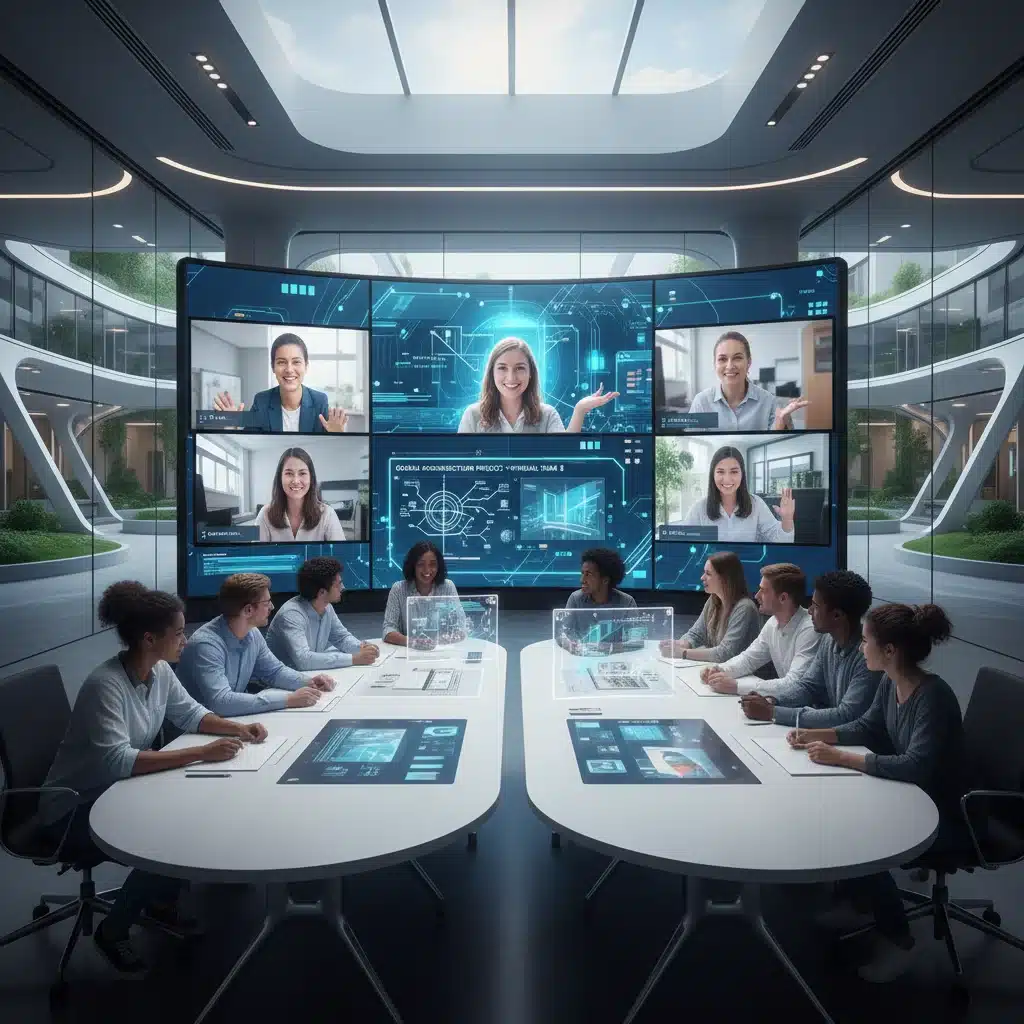
The landscape of higher education in the United States has undergone a seismic shift in recent years. What was once a predominantly in-person experience has been profoundly reshaped by technological advancements and, more recently, global events. This transformation has given rise to the widespread adoption of Hybrid Learning Universities, a model that blends face-to-face instruction with online learning. As we look ahead to the next three years and beyond, U.S. universities are not merely reacting to these changes; they are proactively innovating to create more resilient, accessible, and engaging educational experiences.
The concept of hybrid learning, also known as blended learning, is not entirely new. However, its implementation and scale have dramatically expanded. It has moved from being a niche offering to a core strategy for many institutions. This article will delve into the intricacies of how U.S. universities are adapting to these hybrid models, the challenges they face, the opportunities they are seizing, and what the future holds for this evolving educational paradigm. Understanding the evolution of Hybrid Learning Universities is crucial for students, educators, policymakers, and anyone invested in the future of higher education.
Anúncios
The Genesis and Evolution of Hybrid Learning Universities
To truly grasp the current state and future trajectory of Hybrid Learning Universities, it’s essential to understand their origins. Before the global pandemic, hybrid learning was often viewed as a supplementary approach, primarily used for specific courses or programs designed to offer flexibility to non-traditional students. Online components might include pre-recorded lectures, discussion forums, or digital assignments, while in-person sessions focused on labs, seminars, or collaborative projects.
Anúncios
The sudden pivot to remote learning in early 2020 served as an unprecedented stress test for educational institutions. While challenging, it also accelerated the development and adoption of digital learning technologies and pedagogical strategies. Universities quickly learned what worked and what didn’t in a fully online environment. This experience laid the groundwork for a more sophisticated and intentional integration of online and in-person elements, leading to the more robust hybrid models we see today. The initial emergency remote teaching evolved into carefully designed hybrid courses, reflecting a deeper understanding of effective digital pedagogy.
Many institutions realized that a complete return to pre-pandemic norms was neither feasible nor desirable. The benefits of flexibility, accessibility, and the potential for personalized learning experiences offered by online components became undeniable. Consequently, universities began investing heavily in infrastructure, technology, and faculty training to support sustainable and high-quality hybrid learning environments. This period of rapid evolution has solidified the position of Hybrid Learning Universities as a permanent fixture in the educational landscape.
Defining Hybrid Learning: More Than Just a Mix
It’s important to distinguish true hybrid learning from simply offering some courses online and some in-person. A well-designed hybrid model is not merely a juxtaposition of two modalities; it’s a thoughtful integration where the online and in-person components are intentionally designed to complement and enhance each other. The goal is to leverage the strengths of each format to optimize learning outcomes.
- Synchronous vs. Asynchronous: Hybrid models often combine synchronous (real-time, live) interactions, both in-person and online, with asynchronous (self-paced) activities. This allows for immediate engagement while also accommodating diverse schedules and learning paces.
- Purposeful Design: Effective hybrid courses are not just traditional courses moved online. They are redesigned to maximize engagement and learning in both environments. For example, lectures might be pre-recorded for asynchronous viewing, freeing up in-person class time for deeper discussions, problem-solving, or hands-on activities.
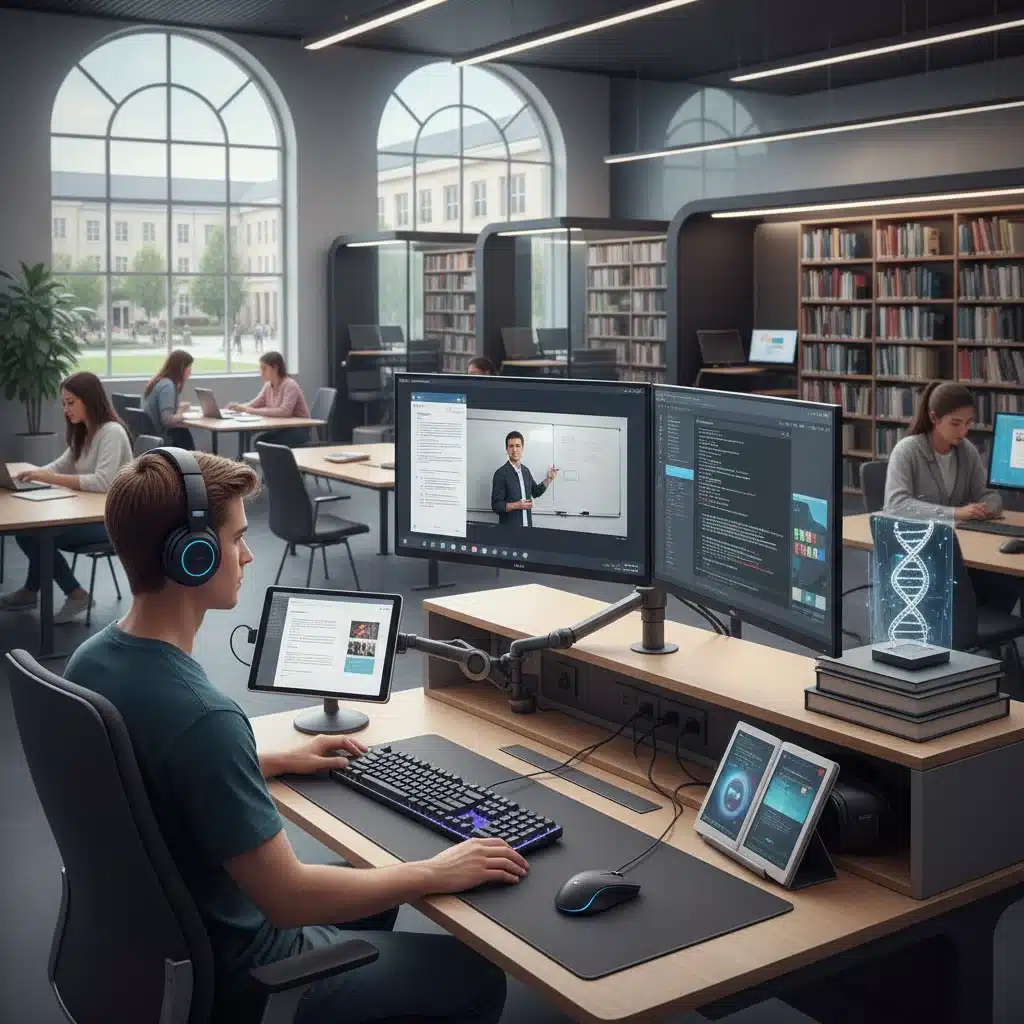
- Technological Integration: Learning Management Systems (LMS) like Canvas, Blackboard, and Moodle are central to hybrid learning, serving as hubs for course materials, assignments, communication, and collaboration. Video conferencing tools (Zoom, Microsoft Teams), digital whiteboards, and interactive simulation software also play critical roles.
Key Drivers for the Adoption of Hybrid Learning Universities
Several factors are propelling U.S. universities towards a future dominated by hybrid models. These drivers are not just about convenience; they address fundamental challenges and opportunities in higher education.
Enhanced Accessibility and Inclusivity
One of the most significant advantages of hybrid learning is its ability to expand access to higher education. For students who face geographical barriers, have work or family commitments, or require greater flexibility due to disabilities, online components can be a game-changer. Hybrid Learning Universities can reach a broader and more diverse student population, including international students who may not be able to relocate for the entire duration of their studies. This inclusivity not only aligns with the values of many institutions but also enriches the learning environment by bringing together a wider range of perspectives.
Flexibility and Student-Centered Learning
Modern students demand flexibility. They are often balancing academic pursuits with part-time jobs, internships, extracurricular activities, and personal lives. Hybrid models empower students to manage their time more effectively, allowing them to engage with course material at their own pace and revisit complex topics as needed. This shift towards student-centered learning fosters greater autonomy and can lead to improved engagement and deeper understanding, making it a cornerstone for successful Hybrid Learning Universities.
Resilience Against Disruptions
The recent past demonstrated the critical need for educational institutions to be resilient in the face of unforeseen disruptions. Whether it’s a public health crisis, natural disaster, or other emergency, a well-established hybrid infrastructure allows universities to pivot quickly and maintain continuity of instruction. This institutional resilience is a powerful argument for the continued investment in and development of hybrid learning capabilities.
Leveraging Educational Technology for Improved Outcomes
Technology is not just a tool for delivery; it’s a catalyst for innovation in pedagogy. Hybrid models encourage faculty to explore and integrate advanced educational technologies, from interactive simulations and virtual reality labs to AI-powered tutoring systems and data analytics for personalized feedback. These technologies can create more immersive, engaging, and effective learning experiences that might not be possible in a purely traditional setting. The strategic integration of tech is vital for Hybrid Learning Universities to stay competitive and provide cutting-edge education.

Adaptation Strategies: How U.S. Universities are Building Hybrid Learning Models
The transition to robust Hybrid Learning Universities is not without its complexities. Institutions are adopting a multifaceted approach, focusing on infrastructure, pedagogy, faculty development, and student support.
Investing in State-of-the-Art Technology and Infrastructure
The foundation of any successful hybrid program is robust technological infrastructure. Universities are making significant investments in:
- Classroom Upgrades: Equipping classrooms with advanced audio-visual systems, high-quality cameras, microphones, interactive displays, and reliable internet connectivity to seamlessly broadcast live sessions and facilitate remote participation.
- Learning Management Systems (LMS): Optimizing and expanding the capabilities of their LMS platforms to serve as central hubs for all course-related activities, content delivery, and communication.
- Specialized Software: Licensing and integrating specialized software for virtual labs, simulations, collaborative documents, and assessment tools that enhance the online learning experience.
- Network Capacity: Ensuring sufficient bandwidth and network reliability to support a large number of concurrent users accessing various digital resources.
Rethinking Pedagogy and Curriculum Design
Effective hybrid learning requires a fundamental rethinking of how courses are designed and taught. Faculty are being trained to:
- Blended Course Design: Develop courses that strategically integrate online and in-person activities, ensuring each modality serves a specific pedagogical purpose. This often involves ‘flipping the classroom,’ where lectures are consumed online and class time is dedicated to active learning.
- Engaging Online Content: Create dynamic and interactive online content beyond simple text, including video lectures, interactive quizzes, multimedia presentations, and collaborative online projects.
- Facilitating Hybrid Interaction: Master techniques for engaging both in-person and remote students simultaneously, fostering a sense of community and ensuring equitable participation across all modalities.
- Assessment Innovation: Design assessments that are appropriate for a hybrid environment, balancing traditional exams with projects, portfolios, and collaborative assignments that can be completed both individually and in groups, online or offline.
Faculty Development and Support
The success of Hybrid Learning Universities hinges on the preparedness of their faculty. Universities are implementing comprehensive professional development programs that include:
- Workshops and Training: Offering workshops on effective hybrid teaching strategies, technology utilization, and course design principles.
- Instructional Design Support: Providing access to instructional designers who can help faculty develop and refine their hybrid courses.
- Peer Learning Communities: Creating opportunities for faculty to share best practices, troubleshoot challenges, and learn from one another’s experiences in hybrid instruction.
- Technical Support: Ensuring readily available technical support for faculty navigating new technologies and platforms.
Student Support Services in a Hybrid Environment
Students in hybrid programs require tailored support. Universities are adapting their services to meet these needs:
- Academic Advising: Providing flexible advising options, including virtual appointments and online resources, to guide students through hybrid program requirements.
- Technical Support: Offering dedicated tech support for students experiencing issues with online platforms or devices.
- Mental Health and Wellness: Extending mental health services to be accessible remotely, recognizing the unique stressors that can accompany online learning.
- Learning Resources: Ensuring that tutoring, writing centers, and library resources are available both in-person and online to support all learners.
Challenges and Opportunities for Hybrid Learning Universities (Next 3 Years)
While the benefits of hybrid learning are clear, U.S. universities face several challenges as they refine and scale these models over the coming years. Yet, within these challenges lie significant opportunities for innovation and growth.
Addressing the Digital Divide and Equity
One persistent challenge is ensuring equitable access to technology and reliable internet for all students, particularly those from socioeconomically disadvantaged backgrounds. Hybrid Learning Universities must actively work to bridge the digital divide by providing loaner devices, hotspots, or partnerships with community organizations to ensure all students can participate fully.
Maintaining Student Engagement and Community
Fostering a strong sense of community and engagement can be more complex in hybrid environments. It requires intentional strategies to connect students with each other and with faculty, both in person and online. Universities are exploring:
- Hybrid Social Events: Organizing events that cater to both in-person and remote participants.
- Collaborative Online Projects: Designing group work that encourages interaction and shared responsibility.
- Virtual Student Organizations: Supporting online versions of clubs and societies to build connections.
Ensuring Quality and Rigor
There’s a perception, sometimes unfounded, that online or hybrid learning is less rigorous than traditional in-person instruction. Hybrid Learning Universities must actively demonstrate the quality and effectiveness of their programs through robust assessment, continuous improvement, and transparent outcomes. This involves rigorous course design, high standards for faculty, and effective evaluation of student learning.
Faculty Burnout and Workload Management
Teaching in a hybrid environment can be demanding, often requiring more preparation and simultaneous management of multiple modalities. Universities need to address faculty workload, provide adequate compensation for extra efforts in course design, and ensure ongoing support to prevent burnout. Sustainable models for faculty engagement are crucial for the long-term success of Hybrid Learning Universities.
Opportunities for Innovation and Specialization
The hybrid model opens doors for universities to specialize in unique program offerings that leverage their specific strengths. For example, a university with strong ties to a particular industry might offer hybrid programs that combine on-campus residencies with extensive online fieldwork or internships, attracting a global talent pool. This specialization can enhance institutional reputation and attract diverse learners.
The Long-Term Vision: Beyond Three Years for Hybrid Learning Universities
Looking beyond the immediate three-year horizon, hybrid learning is poised to become the dominant mode of instruction in U.S. higher education. Its evolution will be shaped by several emerging trends:
Personalized Learning Pathways
As data analytics and AI become more sophisticated, Hybrid Learning Universities will be able to offer increasingly personalized learning pathways. AI-powered tools can identify student strengths and weaknesses, recommend tailored resources, and adapt content delivery to individual learning styles. This level of personalization can significantly enhance learning efficiency and effectiveness.
Micro-credentials and Stackable Degrees
The future of work demands continuous learning and upskilling. Hybrid models are perfectly suited for offering micro-credentials, certificates, and stackable degrees that allow individuals to acquire specific skills or build towards a full degree over time, at their own pace. This flexibility caters to lifelong learners and professionals seeking career advancement.
Global Collaboration and Internationalization
Hybrid learning facilitates unprecedented opportunities for international collaboration. Universities can partner with institutions worldwide to offer joint programs, foster cross-cultural student projects, and bring diverse global perspectives into the classroom. This internationalization enriches the educational experience for all students and prepares them for a globalized workforce.
Immersive Learning Experiences (VR/AR)
The integration of virtual reality (VR) and augmented reality (AR) technologies will create highly immersive and interactive learning experiences. Imagine medical students practicing surgery in a VR environment, or architecture students walking through their designs in AR. These technologies, combined with hybrid delivery, can provide access to experiences previously limited by physical constraints, further solidifying the role of advanced technology in Hybrid Learning Universities.
Evolving Campus Spaces
As more learning moves online, the physical campus will likely transform. Instead of traditional lecture halls, universities may invest more in collaborative workspaces, specialized labs, innovation hubs, and social spaces that foster community and hands-on learning. The campus will become a destination for specific, high-value in-person experiences, complementing the flexibility of online components.
Conclusion: The Enduring Impact of Hybrid Learning Universities
The journey of U.S. universities towards comprehensive hybrid learning models is an ongoing process of adaptation, innovation, and continuous improvement. What began as a response to a crisis has evolved into a strategic imperative, driven by the desire for greater accessibility, flexibility, and pedagogical effectiveness. Over the next three years, we will see further refinement of hybrid teaching methods, deeper integration of advanced technologies, and a renewed focus on equitable access and student support.
Beyond this immediate horizon, Hybrid Learning Universities are set to redefine the very essence of higher education. They will offer personalized pathways, foster global collaboration, and leverage immersive technologies to create learning experiences that are more dynamic, relevant, and impactful than ever before. This evolution is not just about adopting new tools; it’s about reimagining the educational experience to prepare students for a rapidly changing world. The future of higher education in the U.S. is undeniably hybrid, promising a more resilient, inclusive, and innovative landscape for generations to come.
