
Unemployment Rate Drop: What it Means for Job Seekers and the Economy

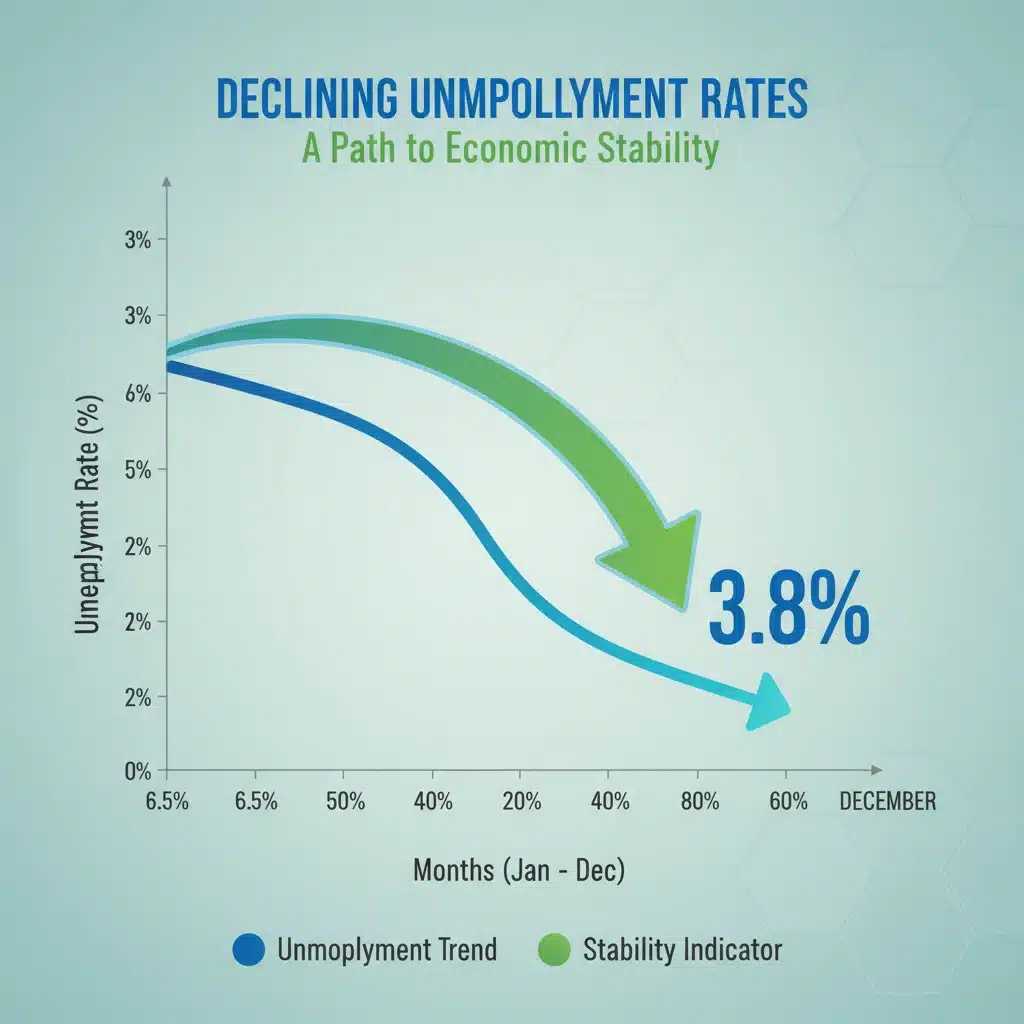
National Unemployment Rate Drops to 3.8%: What This Means for Job Seekers and the Economy
The latest economic data has delivered a significant piece of news: the national unemployment rate drop to a remarkable 3.8%. This figure, a critical indicator of economic health, has widespread implications for individuals, businesses, and the broader financial landscape. For job seekers, a lower unemployment rate often signals a more favorable market, while for economists, it paints a picture of robust growth or, potentially, inflationary pressures. Understanding the nuances of this unemployment rate drop is crucial for anyone navigating today’s dynamic labor market.
Understanding the Significance of the 3.8% Unemployment Rate
A 3.8% unemployment rate is historically low, nearing what many economists consider ‘full employment.’ At this level, virtually everyone who wants a job can find one, assuming they have the necessary skills and are willing to work. This low figure suggests a tight labor market, where demand for workers exceeds the supply. For job seekers, this typically means more job openings, less competition for each position, and potentially higher wages and better benefits as employers compete for talent. For the economy, it often points to strong consumer spending, increased production, and overall economic expansion.
However, a low unemployment rate drop also comes with its own set of considerations. For instance, businesses might struggle to find qualified candidates, leading to increased labor costs that could be passed on to consumers in the form of higher prices. This delicate balance between a thriving job market and potential inflation is a constant focus for policymakers. The current unemployment rate drop reflects a complex interplay of factors, including sustained economic recovery, shifts in labor force participation, and evolving industry demands.
Impact on Job Seekers: A Favorable Landscape
For individuals actively seeking employment, the unemployment rate drop is overwhelmingly positive. A tight labor market empowers job seekers in several ways:
- Increased Opportunities: More companies are hiring, leading to a greater number and variety of job openings across various sectors.
- Higher Wages and Benefits: To attract and retain talent, employers are often compelled to offer more competitive salaries, signing bonuses, and comprehensive benefits packages.
- Negotiating Power: Job seekers have more leverage to negotiate terms, working conditions, and professional development opportunities.
- Faster Job Placement: The time it takes to find a job may decrease due to higher demand for workers.
- Opportunities for Career Changers: A strong market can make it easier for individuals to transition into new industries or roles, even with limited experience in those specific fields.
This environment encourages individuals who may have been on the sidelines to re-enter the workforce, further contributing to economic growth. The positive sentiment generated by a low unemployment rate drop can also boost consumer confidence, leading to more spending and investment.
Key Sectors Benefiting from the Unemployment Rate Drop
While the unemployment rate drop is a national phenomenon, certain sectors often experience more pronounced benefits. Traditionally, sectors like technology, healthcare, manufacturing, and hospitality tend to be significant drivers of job growth during periods of economic expansion. The current data suggests broad-based growth, but a closer look reveals where the most significant opportunities lie:
- Technology: Continued innovation and digital transformation fuel demand for software developers, data scientists, cybersecurity experts, and IT professionals.
- Healthcare: An aging population and advancements in medical technology ensure consistent demand for nurses, doctors, medical technicians, and administrative staff.
- Manufacturing: A resurgence in domestic manufacturing, coupled with automation and advanced production techniques, is creating new roles and requiring skilled labor.
- Hospitality and Leisure: As consumer confidence rises and travel restrictions ease, these sectors see increased demand for service staff, managers, and event planners.
- Construction: Infrastructure projects and housing demand continue to drive job creation in construction trades and related fields.
Job seekers in these sectors, particularly those with specialized skills, are likely to find themselves in a highly advantageous position. However, even in sectors not explicitly listed, the overall positive trend from the unemployment rate drop creates a ripple effect, improving conditions across the board.
Challenges and Considerations for the Economy
While the unemployment rate drop is largely positive, it’s essential to consider potential challenges and economic implications:
- Inflationary Pressures: A tight labor market can lead to wage increases, which, if not matched by productivity gains, can contribute to inflation as businesses pass higher labor costs onto consumers. This is a primary concern for central banks.
- Skill Gaps: Despite a low unemployment rate, skill mismatches can persist. Employers might struggle to find candidates with the specific skills needed for certain advanced roles, even if there are many available workers.
- Labor Shortages: Some industries or regions may face acute labor shortages, impacting productivity and growth. This can lead to increased reliance on automation or outsourcing.
- Worker Burnout: With fewer available workers, existing employees might face increased workloads, potentially leading to burnout and reduced job satisfaction if not managed effectively by employers.
- Economic Slowdown Risk: While currently strong, economic cycles are inevitable. A very low unemployment rate might indicate that the economy is nearing its peak capacity, making it more vulnerable to external shocks or policy changes.
Policymakers must carefully monitor these factors to ensure sustainable economic growth and prevent overheating. The goal is to maintain a healthy balance where job creation is robust without triggering excessive inflation or other economic instabilities stemming from the low unemployment rate drop.
Strategies for Job Seekers in a Low Unemployment Market
Even with a favorable unemployment rate drop, effective job search strategies remain vital. Here’s how job seekers can maximize their chances:
1. Upskill and Reskill Consistently
The demand for specific skills is constantly evolving. Invest in continuous learning through online courses, certifications, workshops, or even pursuing higher education. Focus on in-demand skills in your chosen field, particularly those related to technology, data analysis, and problem-solving. A commitment to lifelong learning makes you a more attractive candidate in a competitive market, even when the unemployment rate drop makes it seem easier to find a job.
2. Optimize Your Resume and Online Presence
Tailor your resume and cover letter for each specific job application, highlighting how your skills and experience align with the employer’s needs. Ensure your LinkedIn profile is up-to-date, professional, and showcases your expertise. Recruiters frequently use LinkedIn and other professional networking sites to source candidates. A strong online presence can significantly increase your visibility.
3. Network Strategically
Networking remains one of the most effective job search tools. Attend industry events, join professional organizations, and connect with peers and mentors. Many job opportunities are filled through referrals and personal connections before they are even advertised publicly. Leverage your network to learn about openings and gain insights into company cultures.
4. Practice Interview Skills
Even with a low unemployment rate drop, securing a job still requires a strong interview performance. Practice answering common interview questions, prepare behavioral examples, and research the company thoroughly. Be ready to articulate your value proposition and demonstrate how you can contribute to the organization’s success.
5. Be Proactive and Persistent
Don’t wait for opportunities to come to you. Actively search for jobs, reach out to companies you’re interested in, and follow up on applications. Persistence, coupled with a positive attitude, can make a significant difference in your job search journey. Remember, even in a strong market, finding the right fit takes effort.
The Role of Government and Businesses in Sustaining Growth
The sustained low unemployment rate drop is not solely a result of market forces; government policies and business strategies play crucial roles:
Government Initiatives
- Monetary Policy: Central banks manage interest rates to either stimulate or cool down the economy, aiming for stable prices and maximum employment.
- Fiscal Policy: Government spending on infrastructure, education, and social programs can create jobs and boost economic activity. Tax policies can also incentivize businesses to hire.
- Workforce Development: Programs that fund job training, apprenticeships, and vocational education help bridge skill gaps and prepare workers for in-demand jobs.
- Regulatory Environment: Policies that foster a stable and predictable business environment encourage investment and job creation.
Business Strategies
- Investment in Training: Companies are increasingly investing in upskilling their current workforce and offering internal training programs to address skill shortages.
- Competitive Compensation: To attract and retain talent, businesses are offering more competitive salaries, benefits, and flexible work arrangements.
- Automation and Technology Adoption: While sometimes perceived as a job threat, automation can also create new, higher-skilled jobs and increase overall productivity, allowing businesses to grow.
- Diversity and Inclusion: Companies are recognizing the value of diverse talent pools, expanding their recruitment efforts to reach a wider range of candidates.
Collaboration between government, businesses, and educational institutions is vital to maintaining the positive momentum generated by the unemployment rate drop and ensuring long-term economic stability and opportunity for all.

Future Outlook: What to Expect Next
Predicting the future of the economy is always challenging, but several factors will influence whether the current low unemployment rate drop can be sustained and what the broader economic landscape will look like:
- Inflation Trends: The trajectory of inflation will heavily influence monetary policy. If inflation remains elevated, central banks might continue to raise interest rates, which could slow economic growth and potentially increase unemployment.
- Geopolitical Events: Global events, such as international conflicts, supply chain disruptions, or trade disputes, can have significant impacts on domestic economies and job markets.
- Technological Advancements: Rapid advancements in AI, automation, and other technologies will continue to reshape industries and job requirements, creating both new opportunities and challenges for workers.
- Consumer and Business Confidence: Sentiment plays a crucial role. If consumers feel secure in their jobs and financial future, they are more likely to spend, driving demand. Similarly, confident businesses are more likely to invest and hire.
- Labor Force Participation: Changes in labor force participation rates, influenced by demographics, retirement trends, and social factors, will affect the overall supply of workers.
While the current unemployment rate drop is a strong positive signal, continuous monitoring and adaptive strategies will be necessary to navigate the evolving economic environment. Both individuals and institutions need to remain agile and responsive to these shifts.
Conclusion: A Promising Yet Dynamic Landscape
The national unemployment rate drop to 3.8% is undoubtedly a positive development, signaling a robust job market and a resilient economy. For job seekers, this translates into increased opportunities, better compensation, and greater leverage. For businesses, it means a need to innovate in talent acquisition and retention strategies. However, this favorable environment is not without its challenges, particularly concerning inflation and the need for continuous skill development.
As we move forward, understanding the forces shaping this dynamic landscape will be key. Job seekers should leverage the current market strength by upskilling, networking, and refining their search strategies. Employers must focus on creating attractive work environments and investing in their workforce. And policymakers will continue to walk the tightrope of fostering growth while maintaining economic stability. The current unemployment rate drop offers a moment of optimism, but also a call to strategic action for all stakeholders to ensure sustained prosperity.
