
Infrastructure Bill: $1.2 Trillion Investment Reshaping America
Anúncios
Major Infrastructure Bill Advances: How $1.2 Trillion Investment Will Reshape America
The United States stands at the precipice of a transformative era for its foundational systems. With the advancement of the Infrastructure Investment and Jobs Act, a monumental $1.2 trillion investment is poised to dramatically reshape America’s infrastructure landscape. This historic bipartisan legislation, often referred to as the Infrastructure Bill, represents a generational commitment to upgrading and modernizing the nation’s aging roads, bridges, public transit, water pipes, broadband internet, and energy grids. The anticipated Infrastructure Bill impact is far-reaching, promising not only a significant boost to the economy through job creation but also enhanced quality of life for millions of Americans, improved national competitiveness, and a more resilient future.
For decades, experts and everyday citizens alike have lamented the deteriorating state of American infrastructure. From crumbling highways to unreliable internet access in rural areas, the deficiencies have been evident. This new legislation seeks to address these critical shortcomings head-on, deploying a massive infusion of capital that will touch nearly every aspect of daily life. Understanding the nuances of this bill, its funding mechanisms, and its projected outcomes is crucial for appreciating the scale of change it promises. The Infrastructure Bill impact will be felt across all sectors, from construction and manufacturing to technology and public services, creating a ripple effect that will redefine the nation’s physical and digital backbone.
Anúncios
The Genesis of a Grand Plan: Why Now?
The journey to pass such a comprehensive infrastructure package has been long and arduous, spanning multiple administrations and legislative cycles. However, a confluence of factors ultimately paved the way for the Infrastructure Investment and Jobs Act. The COVID-19 pandemic exposed vulnerabilities in supply chains and highlighted the critical need for robust digital infrastructure. Furthermore, growing concerns about climate change and the increasing frequency of extreme weather events underscored the urgency of building more resilient and sustainable systems. These contemporary challenges, combined with the long-standing recognition of America’s infrastructure deficit, created a powerful impetus for action.
Economically, the timing is also strategic. Investing in infrastructure is often seen as a powerful tool for economic stimulus, particularly during periods of recovery. The infusion of $1.2 trillion is expected to create millions of good-paying jobs, driving demand for materials, equipment, and skilled labor. This economic multiplier effect is a core component of the bill’s rationale, aiming to not only fix what’s broken but also to spur innovation and growth across various industries. The bipartisan nature of the bill, while challenging to achieve, also signals a broad consensus on the necessity of these investments, transcending traditional political divides in recognition of a shared national imperative. This widespread support reinforces the potential for a lasting Infrastructure Bill impact.
Anúncios
Key Pillars of the $1.2 Trillion Investment: What’s Being Funded?
The Infrastructure Investment and Jobs Act is a sprawling piece of legislation, allocating funds across a wide array of categories. While the headline number is $1.2 trillion, approximately $550 billion of that represents new federal spending over five years, above baseline funding. The remaining portion comprises reauthorized existing programs. Let’s break down the primary areas of investment and how they contribute to the overall Infrastructure Bill impact.
1. Roads, Bridges, and Major Projects ($110 Billion)
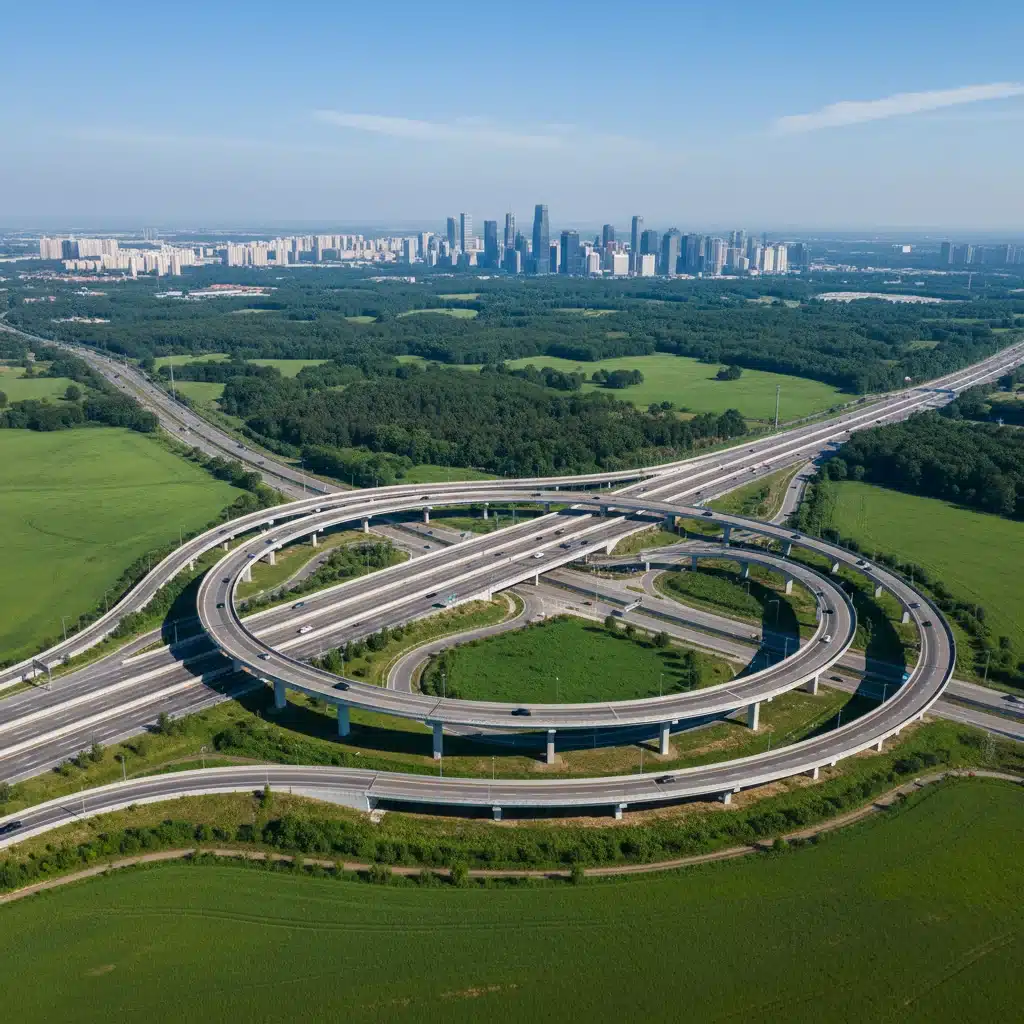
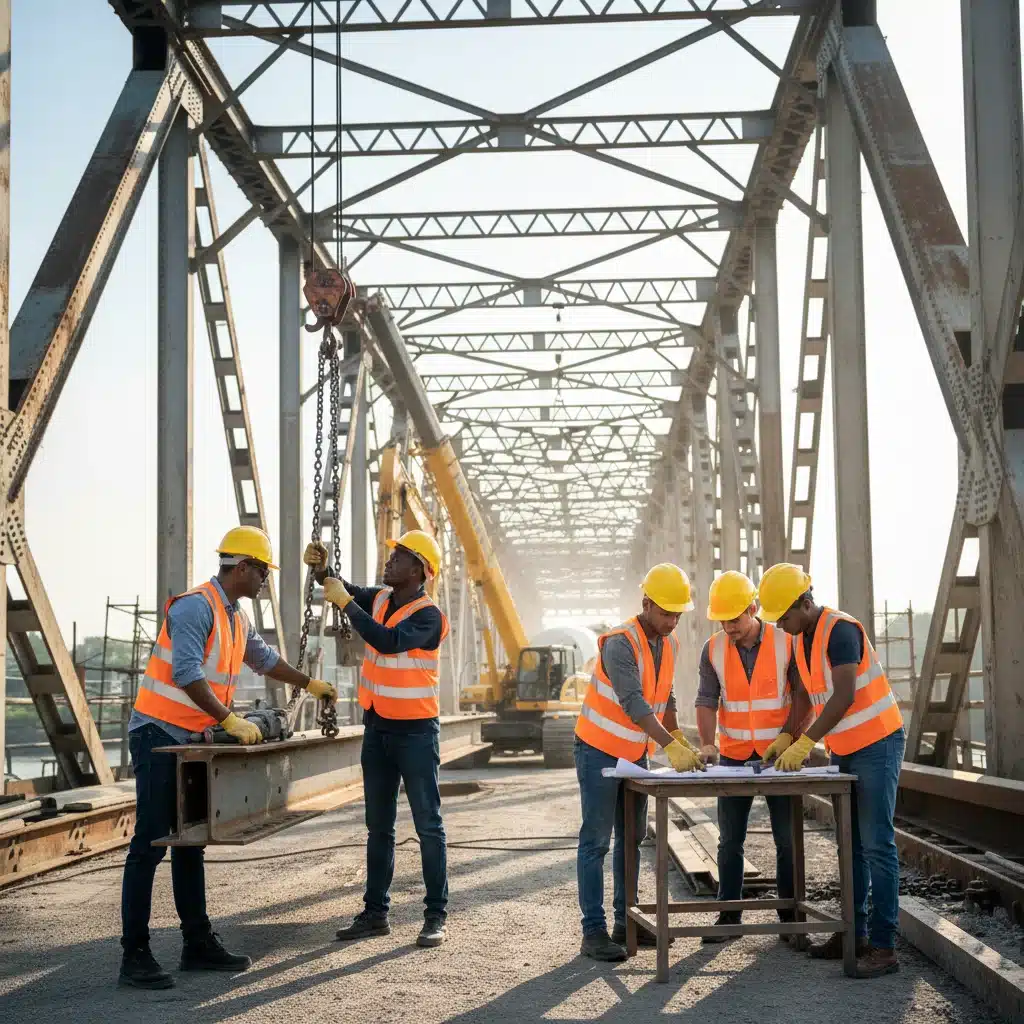
This is perhaps the most visible and widely discussed component of the bill. America’s roads and bridges are in dire need of repair, with thousands deemed structurally deficient. The bill allocates significant funds to repair and rebuild highways, bridges, and major projects, enhancing safety, reducing congestion, and improving efficiency for commuters and freight transportation. This investment will not only fix existing issues but also fund new construction and capacity improvements, ensuring the transportation network can support future economic growth. The direct Infrastructure Bill impact on daily commutes and supply chains will be immediate and substantial.
2. Public Transit ($39 Billion)
Many urban and suburban areas rely heavily on public transportation. This funding aims to modernize and expand public transit systems, including buses, subways, and commuter rail. The goal is to improve service, increase accessibility, and transition to cleaner, more efficient vehicles. This is crucial for reducing carbon emissions, easing traffic congestion, and providing equitable access to jobs and services, particularly for underserved communities. Enhanced public transit is a key aspect of the social Infrastructure Bill impact.
3. Passenger and Freight Rail ($66 Billion)
The bill includes substantial investments in Amtrak and other rail services, aiming to address the backlog of maintenance, upgrade existing lines, and potentially expand high-speed rail corridors. Improving rail infrastructure can offer a more sustainable and efficient alternative for both passenger travel and freight movement, reducing reliance on roads and air travel for certain routes. This long-term vision for rail will have a considerable Infrastructure Bill impact on intercity connectivity and goods distribution.
4. Broadband Internet ($65 Billion)
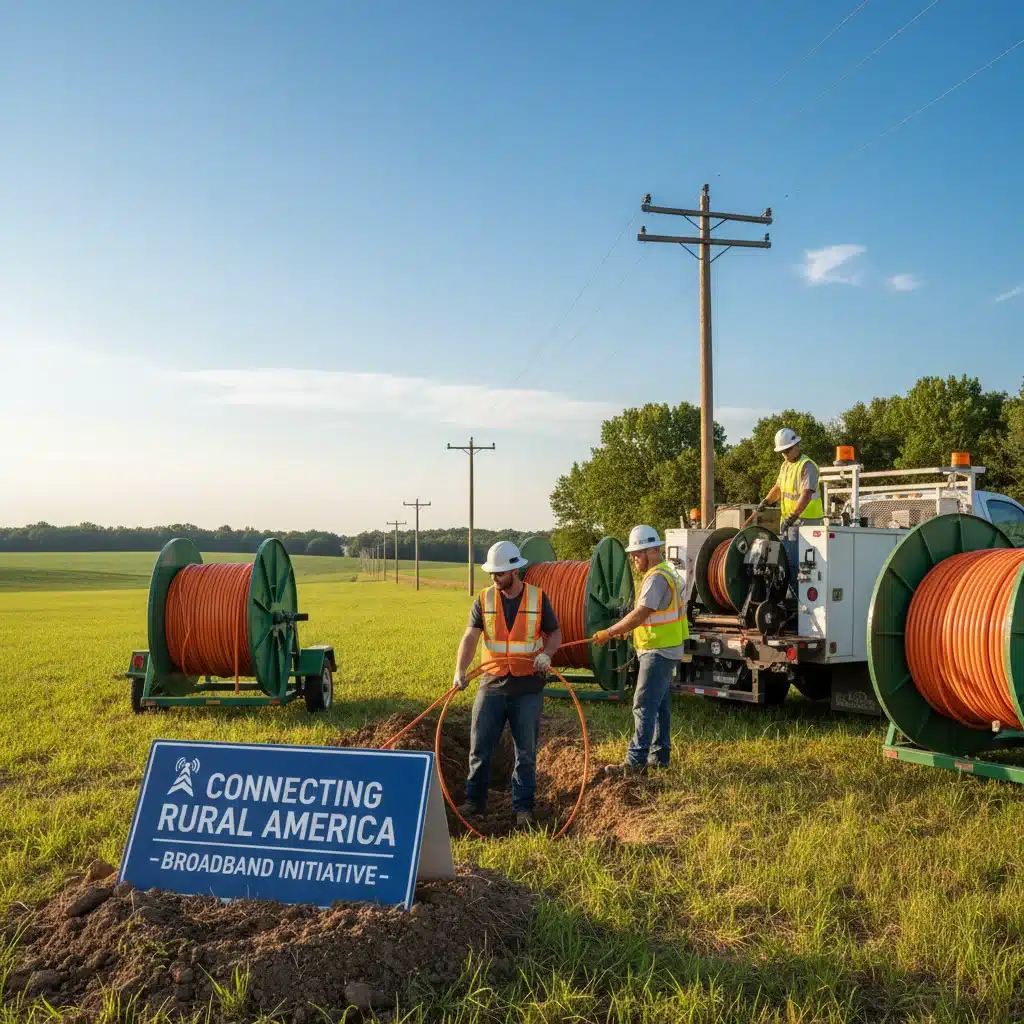
In the 21st century, internet access is not a luxury but a necessity. Yet, millions of Americans, especially in rural and low-income urban areas, lack reliable and affordable broadband. This funding is dedicated to expanding broadband infrastructure, making high-speed internet accessible to every household. It also includes provisions to lower internet costs for eligible families, bridging the digital divide and ensuring equitable participation in education, work, and healthcare. The digital Infrastructure Bill impact will empower communities nationwide.
5. Water Infrastructure ($55 Billion)
From lead pipes contaminating drinking water to aging wastewater treatment plants, America’s water infrastructure faces significant challenges. This investment will fund projects to replace lead service lines, improve water treatment facilities, and upgrade wastewater systems, ensuring access to clean, safe drinking water for all communities. This is a critical public health component of the Infrastructure Bill impact, directly affecting the well-being of millions.
6. Power and Grid ($65 Billion)
The nation’s electric grid is vulnerable to cyberattacks, extreme weather, and general disrepair. This funding aims to modernize the power grid, making it more resilient, reliable, and capable of integrating renewable energy sources. Investments will support new transmission lines, smart grid technologies, and clean energy projects, paving the way for a more sustainable energy future. The energy sector will see a profound Infrastructure Bill impact as the nation transitions to cleaner and more secure power sources.
7. Resilience and Western Water ($50 Billion)
Given the increasing threats from climate change, this category focuses on making infrastructure more resilient to natural disasters, including droughts, wildfires, and floods. It includes funding for coastal restoration, ecosystem protection, and addressing water scarcity issues in the Western United States. Building resilience is crucial for protecting communities and ensuring long-term sustainability, a forward-looking aspect of the Infrastructure Bill impact.
Economic Ramifications: Jobs, Growth, and Competitiveness
One of the most anticipated outcomes of the Infrastructure Bill is its profound economic Infrastructure Bill impact. The sheer scale of investment is expected to generate a wave of economic activity, creating jobs across various sectors and stimulating growth. Economists project that the bill could add millions of jobs over the next decade, ranging from construction workers and engineers to manufacturing personnel and IT specialists. These aren’t just temporary jobs; many will be long-term positions required for the maintenance and operation of the modernized infrastructure.
Beyond direct job creation, the enhanced infrastructure will improve productivity and efficiency for businesses. Better roads and railways mean faster, cheaper transportation of goods, reducing supply chain costs. Reliable, high-speed internet empowers businesses to innovate, expand their reach, and compete more effectively in the global marketplace. A modernized power grid ensures stable energy supply, critical for industrial operations and technological advancements. These improvements collectively contribute to a more competitive American economy, attracting investment and fostering innovation. The long-term economic Infrastructure Bill impact will be a more robust and resilient national economy.
Furthermore, the bill’s emphasis on domestic sourcing and American-made materials, where applicable, will provide a significant boost to U.S. manufacturing. This commitment to ‘Buy American’ provisions aims to strengthen domestic industries, create manufacturing jobs, and reduce reliance on foreign supply chains. This strategic approach ensures that the economic benefits of the investment largely remain within the country, maximizing the positive Infrastructure Bill impact on American workers and businesses.
Social and Environmental Benefits: A Better Quality of Life
The Infrastructure Bill impact extends far beyond mere economic metrics; it promises significant social and environmental benefits that will directly improve the quality of life for millions of Americans. Safer roads and bridges will reduce accidents and fatalities. Modernized public transit will offer more convenient and environmentally friendly commuting options, easing urban congestion and reducing air pollution. Access to clean, lead-free drinking water is a fundamental human right, and the bill’s investments in water infrastructure will address critical public health concerns, particularly in disadvantaged communities.
Bridging the digital divide through expanded broadband access will unlock opportunities for education, telehealth, and remote work, empowering individuals and communities that have historically been left behind. This digital equity is crucial for social mobility and ensuring that all Americans can participate fully in the modern economy. For students, it means access to online learning resources; for patients, it means telemedicine appointments; for entrepreneurs, it means reaching global markets. The social Infrastructure Bill impact will be transformative.
Environmentally, the bill makes substantial strides towards a greener future. Investments in public transit and passenger rail can reduce reliance on fossil fuel-dependent private vehicles. Modernizing the power grid to integrate more renewable energy sources will accelerate the transition away from carbon-intensive power generation. Funding for resilience projects, such as coastal restoration and wildfire prevention, directly addresses the impacts of climate change, protecting vulnerable communities and ecosystems. These environmental aspects of the Infrastructure Bill impact are vital for long-term planetary health and community safety.
Challenges and Implementation: Navigating the Road Ahead
While the passage of the Infrastructure Bill is a monumental achievement, its successful implementation presents its own set of challenges. One of the primary concerns is ensuring that the funds are spent efficiently and effectively, avoiding waste and corruption. Robust oversight mechanisms will be crucial to track spending, monitor project progress, and ensure accountability. State and local governments will play a vital role in identifying priority projects and managing their execution, requiring strong coordination with federal agencies.
Another challenge lies in the availability of a skilled workforce. The scale of construction and modernization projects will demand a significant number of trained professionals across various trades. Investments in workforce development programs, apprenticeships, and vocational training will be essential to meet this demand and ensure that Americans are equipped with the skills needed for these new jobs. Addressing potential supply chain disruptions for materials and equipment will also be critical to keep projects on schedule and within budget.
Furthermore, navigating the complexities of environmental reviews, permitting processes, and local community engagement will require careful planning and collaboration. Balancing the need for rapid implementation with thorough environmental protection and community input will be a delicate act. However, with dedicated leadership and effective partnerships across all levels of government and the private sector, the potential for a positive Infrastructure Bill impact can be fully realized.
The Future Landscape: A Transformed America
Looking ahead, the Infrastructure Bill impact promises to fundamentally transform the physical and digital landscape of America. Imagine a future with seamless travel on well-maintained roads and efficient public transit, connecting communities and fostering economic activity. Envision universal access to high-speed internet, empowering every child to learn, every business to thrive, and every family to stay connected. Picture resilient energy grids that withstand extreme weather, and clean water flowing to every tap, free from contaminants.
This is the vision that the Infrastructure Investment and Jobs Act aims to achieve. It is not merely about fixing potholes or replacing old pipes; it is about building a foundation for future prosperity, equity, and sustainability. The investments made today will pay dividends for generations, enhancing America’s global competitiveness, improving public health, and creating a more connected and resilient nation. The ambitious scope of this bill reflects a recognition that investing in infrastructure is investing in the future of the country itself. The success of this endeavor will be measured not just in dollars spent, but in the tangible improvements to the lives of everyday Americans and the strength of the nation’s foundational systems.
Conclusion: A Legacy of Investment and Progress
The Infrastructure Investment and Jobs Act marks a pivotal moment in American history. By committing $1.2 trillion to revitalize critical infrastructure, the nation is embarking on a comprehensive journey of renewal and modernization. The multifaceted Infrastructure Bill impact will resonate across economic, social, and environmental spheres, creating jobs, fostering growth, enhancing public health, bridging digital divides, and building a more resilient future. While challenges in implementation will undoubtedly arise, the bipartisan commitment to this grand plan underscores its national importance.
As the projects funded by this legislation take shape across the country, from new bridges spanning rivers to fiber optic cables reaching remote towns, the tangible benefits will become increasingly evident. This investment is a testament to the belief that a strong nation is built on strong foundations. The legacy of the Infrastructure Bill will be a more connected, efficient, sustainable, and equitable America, ready to meet the challenges and seize the opportunities of the 21st century. The profound and lasting Infrastructure Bill impact will shape the nation for decades to come, leaving a blueprint for future progress and prosperity.
