
Child Tax Credit 2026: New Eligibility, Payouts & Future Outlook

Anúncios
Understanding the intricacies of tax legislation can often feel like navigating a complex maze. For families across the United States, the Child Tax Credit (CTC) has long served as a critical financial lifeline, providing much-needed support for raising children. As we look ahead, the year 2026 is poised to bring significant changes to this vital benefit, potentially altering eligibility requirements and payout structures. This comprehensive guide aims to demystify the Child Tax Credit 2026, offering clarity on what families can expect, how they might be impacted, and what steps they can take to prepare for these forthcoming adjustments.
The CTC has a rich history of evolution, reflecting shifting economic landscapes and societal needs. From its inception, designed to help offset the costs associated with raising children, it has undergone numerous modifications. These changes have often been driven by legislative efforts to expand its reach, increase its value, or refine its targeting to better serve families most in need. The anticipated changes in 2026 are not merely minor tweaks; they represent a potential reshaping of one of the most impactful federal tax benefits for families. Staying informed about these developments is not just beneficial, it’s essential for effective financial planning and ensuring your family receives the support it is entitled to.
This article will delve into the specifics of the Child Tax Credit 2026, examining the historical context that led to its current form, dissecting the proposed or expected changes in eligibility, and projecting potential payout amounts. We will also explore the broader economic and social implications of these changes, offering insights into how different family structures and income levels might be affected. Furthermore, we will provide practical advice on how to stay updated and prepare for these changes, ensuring you are well-equipped to navigate the future of the Child Tax Credit.
Anúncios
The Evolution of the Child Tax Credit: A Historical Perspective
To truly grasp the significance of the Child Tax Credit 2026, it’s crucial to understand its journey. The CTC was first introduced in 1997 as part of the Taxpayer Relief Act, initially offering a non-refundable credit of $400 per child, later increasing to $500. Its primary goal was to provide tax relief to middle-income families to help with the costs of raising children. Over the years, the credit has seen several expansions and modifications, each aimed at enhancing its impact and accessibility.
One of the most notable transformations occurred with the Tax Cuts and Jobs Act (TCJA) of 2017. This legislation significantly increased the maximum credit amount to $2,000 per qualifying child and made up to $1,400 of it refundable, meaning even families with little or no tax liability could receive a portion of the credit as a refund. The TCJA also raised the income thresholds at which the credit begins to phase out, benefiting a wider range of higher-income families.
Anúncios
The most recent significant alteration came with the American Rescue Plan Act (ARPA) of 2021, which temporarily expanded the CTC for that year. ARPA increased the credit to $3,600 for children under six and $3,000 for children aged six to seventeen. Crucially, it made the credit fully refundable and introduced advance monthly payments, drastically changing how families received the benefit. This temporary expansion had a profound impact, significantly reducing child poverty rates and providing substantial financial relief during the pandemic. However, these enhanced provisions expired at the end of 2021, reverting the CTC largely to its TCJA parameters for subsequent tax years, absent further legislative action.
The expiration of the ARPA enhancements highlighted the ongoing debate surrounding the CTC’s structure – particularly its refundability and the income thresholds for eligibility. These discussions form the backdrop for the changes anticipated in 2026. The Child Tax Credit 2026 is not just a future date; it’s a point where current legislation, specifically parts of the TCJA, is set to expire or be revised. This legislative horizon sets the stage for potential new policy directions, making it imperative for families to stay informed about the evolving landscape of this critical benefit.
Understanding the Current Child Tax Credit Framework (Pre-2026)
Before diving into the projected changes for the Child Tax Credit 2026, it’s essential to have a clear understanding of the current framework. As of the tax years following the expiration of the ARPA enhancements (i.e., 2022, 2023, 2024, and 2025), the CTC largely operates under the parameters established by the Tax Cuts and Jobs Act of 2017.
Key Features of the Current CTC:
- Maximum Credit Amount: The maximum credit is $2,000 per qualifying child.
- Refundability: Up to $1,600 (for 2023, adjusted for inflation) of the credit is refundable as the Additional Child Tax Credit (ACTC) for families with lower income. This means if your tax liability is less than the credit amount, you could still receive a portion of the credit as a refund, up to the refundable limit.
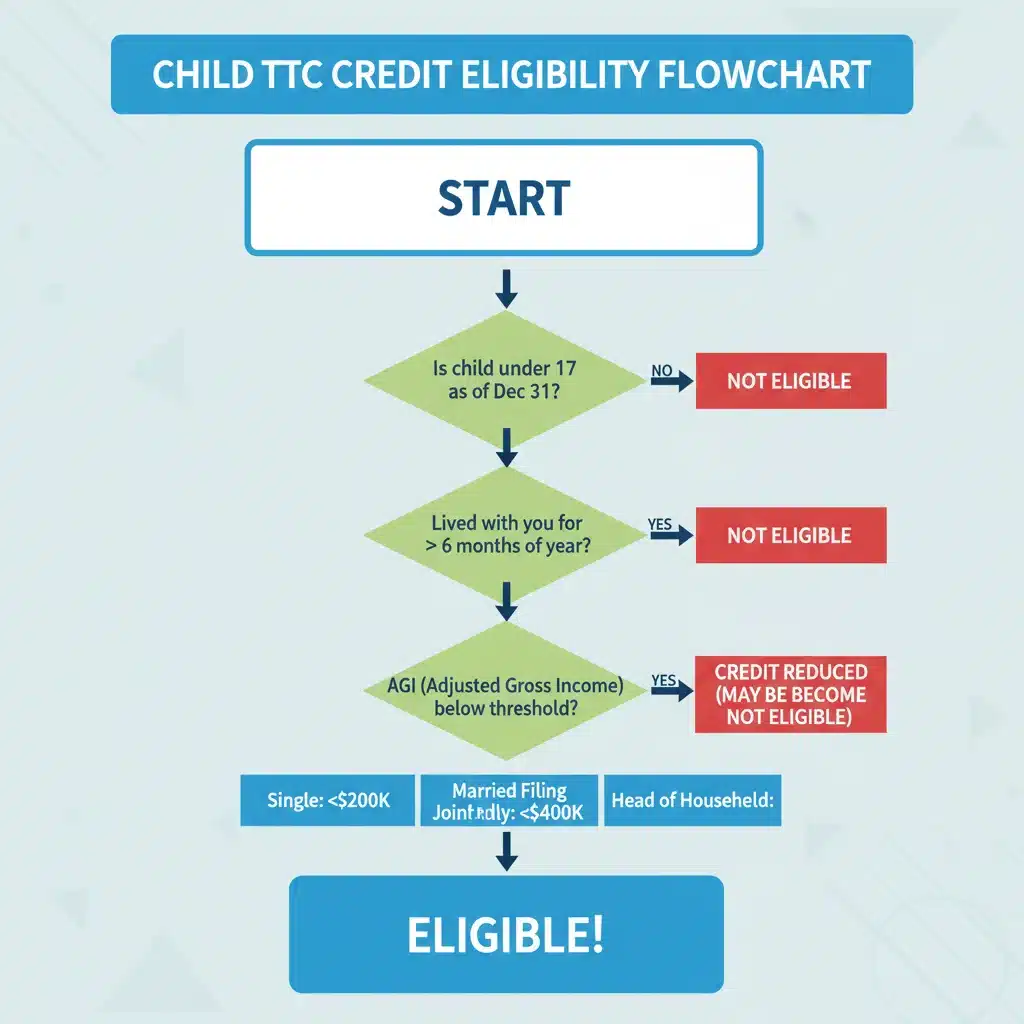
- Qualifying Child Definition: To be a qualifying child, the child must meet several criteria:
- Be under the age of 17 at the end of the tax year.
- Be your son, daughter, stepchild, foster child, brother, sister, half-brother, half-sister, stepbrother, stepsister, or a descendant of any of them.
- Have lived with you for more than half the year.
- Not have provided more than half of their own support for the year.
- Be claimed as a dependent on your tax return.
- Be a U.S. citizen, U.S. national, or U.S. resident alien.
- Income Thresholds: The credit begins to phase out for single filers with a Modified Adjusted Gross Income (MAGI) above $200,000, and for married couples filing jointly with a MAGI above $400,000. For every $1,000 your MAGI exceeds these thresholds, the credit amount is reduced by $50.
- Social Security Number (SSN) Requirement: Both the taxpayer claiming the credit and the qualifying child must have a valid SSN issued by the Social Security Administration.
It’s important to differentiate between the non-refundable portion and the refundable portion. The non-refundable part reduces your tax liability dollar for dollar. If the credit exceeds your tax liability, the refundable portion (ACTC) allows you to receive a payment even if you owe no taxes, up to the specified limit. This refundability is crucial for low-income families who might not have enough tax liability to benefit fully from a non-refundable credit.
Families currently benefiting from the CTC should be aware that these specific rules are subject to change in 2026. The expiration of certain TCJA provisions could lead to a reversion to older, less generous rules, or potentially entirely new legislation could be enacted. This uncertainty underscores the importance of understanding the current baseline and preparing for potential shifts in the Child Tax Credit 2026 landscape.
Anticipated Changes to the Child Tax Credit 2026: Eligibility and Payouts
The horizon for the Child Tax Credit 2026 is marked by significant legislative deadlines, primarily the expiration of several provisions from the Tax Cuts and Jobs Act (TCJA) of 2017. Unless Congress acts to extend, modify, or replace these provisions, the CTC is set to revert to rules that predate the TCJA. This could lead to substantial alterations in who qualifies for the credit and how much they receive.
Potential Eligibility Changes:
- Age of Qualifying Child: Under pre-TCJA rules, the CTC was available for children up to age 16. The TCJA expanded this to include children up to age 17. If no new legislation is passed, the age limit could revert to 16, meaning families with 17-year-olds would no longer qualify for the credit for those children. This would impact many families with older dependents.
- Income Thresholds for Phase-Out: The TCJA significantly raised the income thresholds at which the CTC begins to phase out (from $75,000 for single filers and $110,000 for married filing jointly to $200,000 and $400,000 respectively). A reversion to pre-TCJA rules would lower these thresholds considerably, potentially excluding many middle and upper-middle-income families who currently benefit from the credit.
- Social Security Number (SSN) Requirement for Taxpayers: While children have always needed an SSN, under pre-TCJA rules, the taxpayer claiming the credit also needed an SSN. The TCJA allowed taxpayers with an Individual Taxpayer Identification Number (ITIN) to claim the credit, provided their qualifying child had an SSN. A reversion could reintroduce the SSN requirement for the primary taxpayer, impacting immigrant families.
Projected Payout Amounts:
- Maximum Credit Amount: The TCJA increased the maximum credit from $1,000 to $2,000 per qualifying child. Without new legislation, the maximum credit could revert to $1,000 per child, effectively halving the benefit for many families.
- Refundability of the Credit: This is perhaps one of the most critical aspects. The TCJA made up to $1,400 (adjusted for inflation to $1,600 for 2023) of the credit refundable. Prior to the TCJA, the refundable portion (ACTC) was calculated differently, often resulting in a lower amount for low-income families. A reversion could mean a less generous or more restrictive refundability formula, potentially reducing the financial support for families with little or no federal income tax liability.
- Credit for Other Dependents (ODC): The TCJA also introduced a $500 non-refundable Credit for Other Dependents for qualifying individuals who couldn’t be claimed for the CTC (e.g., children aged 17 or older, or other adult dependents). This credit is also tied to the TCJA provisions and could expire in 2026, removing a valuable benefit for families supporting older dependents.
It’s important to note that these are projections based on current law and the scheduled expiration of TCJA provisions. Congress could intervene at any point before 2026 to extend, modify, or enact entirely new CTC legislation. However, the potential for a reversion to less generous rules highlights the urgent need for families to be aware and plan accordingly. The discussions around the Child Tax Credit 2026 are not merely academic; they have tangible implications for household budgets and financial stability across the nation.
Who Will Be Most Affected by the Child Tax Credit 2026 Changes?
The potential changes to the Child Tax Credit 2026 are not expected to impact all families equally. Certain demographics and income brackets stand to experience more significant shifts in their financial support. Understanding these differential impacts is key to appreciating the broader societal implications of the legislative decisions made regarding the CTC.
Low-Income Families:
Families with lower incomes could be disproportionately affected, particularly concerning the refundability of the credit. If the refundable portion of the CTC reverts to pre-TCJA rules, which were often less generous or had stricter earning requirements, many families who currently receive a substantial refund might see their benefit significantly reduced or even eliminated. The ARPA’s fully refundable credit demonstrated how crucial this aspect is for lifting children out of poverty. Any move away from robust refundability could push more children back into poverty or deepen existing financial struggles for vulnerable households.
Middle-Income and Upper-Middle-Income Families:
The increase in income thresholds under the TCJA allowed many middle and upper-middle-income families to qualify for the full or partial CTC who previously would have been phased out. If these thresholds revert to lower pre-TCJA levels, a significant number of these families could lose access to the credit entirely or see their benefit substantially reduced. This could impact their ability to save, pay for childcare, or cover other essential household expenses, potentially squeezing budgets that are already tight due to inflation and other economic pressures.
Families with Older Children:
The potential reversion of the qualifying child age limit from 17 to 16 would directly affect families with children who turn 17 by the end of the tax year. These families would lose the $2,000 credit for that child, representing a considerable loss of support just as expenses for teenagers (e.g., higher education savings, extracurricular activities) often escalate.
Immigrant Families:
If the SSN requirement for the primary taxpayer is reinstated (reverting from the TCJA allowance for ITIN holders), immigrant families where parents have ITINs but their children have SSNs would be particularly impacted. This change would deny a significant number of families access to the credit, regardless of their financial need or the fact that their children are U.S. citizens.
Single-Parent Households:
Single-parent households, who often face greater financial strain, could be particularly vulnerable to changes in income thresholds and refundability rules. Their ability to meet income requirements or benefit from the refundable portion might be more tenuous, making them highly sensitive to any legislative adjustments.
In essence, the discussions and decisions surrounding the Child Tax Credit 2026 are not just about tax policy; they are about supporting families, reducing child poverty, and ensuring economic stability for millions. The choices made will have far-reaching consequences across various segments of the population, underscoring the need for careful consideration and public engagement.
Preparing for the Child Tax Credit 2026: What Families Can Do
Given the potential for significant changes to the Child Tax Credit 2026, proactive planning is essential for families to mitigate any adverse impacts and maximize their future benefits. While the legislative landscape is still evolving, there are several steps you can take to stay informed and prepare financially.
1. Stay Informed Through Reliable Sources:
- Official Government Websites: Regularly check the IRS website (IRS.gov) for updates, announcements, and official guidance regarding tax law changes.
- Reputable Financial News Outlets: Follow major financial news sources and tax policy think tanks that provide analysis and reporting on legislative developments related to tax credits.
- Tax Professionals: Consult with a qualified tax professional or financial advisor. They can offer personalized advice based on your specific family and financial situation and help you understand how potential changes might affect you.
2. Review Your Financial Situation Annually:
It’s always a good practice to review your income, deductions, and potential credits at least once a year. As 2026 approaches, pay close attention to:
- Income Levels: Understand where your Modified Adjusted Gross Income (MAGI) stands in relation to current and potential future income thresholds for the CTC.
- Dependent Status: Confirm that your children meet all qualifying child criteria, especially regarding age and residency.
- Tax Withholding: Adjust your W-4 form with your employer if necessary to ensure your tax withholding is appropriate, especially if you anticipate a significant change in your tax credits or refunds.
3. Consider Proactive Financial Planning:
- Build an Emergency Fund: Having a robust emergency fund can provide a buffer against unexpected financial changes, including potential reductions in tax benefits.
- Evaluate Budget: Review your household budget to identify areas where you might adjust spending if the CTC payout decreases.
- Explore Other Benefits: Research other federal, state, or local benefits and tax credits for which your family might be eligible. These could include the Earned Income Tax Credit (EITC), dependent care credits, or state-specific child tax credits.
- Savings for Children: If you rely on the CTC for specific child-related expenses, consider increasing your savings in dedicated accounts (e.g., 529 plans for education, general savings for future needs) to compensate for potential future reductions.
4. Engage in Advocacy (Optional but Impactful):
If you feel strongly about the future of the Child Tax Credit, consider reaching out to your elected officials. Sharing your family’s story and explaining how the CTC impacts your financial well-being can contribute to the ongoing legislative debate. Advocacy groups focused on family welfare and poverty reduction also offer avenues for collective action.

The period leading up to the Child Tax Credit 2026 will be a dynamic one, with continuous discussions and potential legislative maneuvers. By taking these proactive steps, families can position themselves to adapt to whatever changes may come, ensuring their financial stability and continuing to provide for their children’s needs.
The Broader Impact: Economic and Social Implications of CTC Changes
The Child Tax Credit 2026 is more than just a line item on a tax form; it’s a powerful economic tool with far-reaching social implications. Any significant alteration to its structure, eligibility, or payout amounts will reverberate through the economy and impact various aspects of societal well-being.
Economic Impact:
- Poverty Rates: As demonstrated by the ARPA expansion, a more generous and fully refundable CTC can significantly reduce child poverty. Conversely, a reversion to stricter rules could lead to an increase in child poverty, with long-term consequences for child development, health, and educational outcomes.
- Consumer Spending: For many families, the CTC provides disposable income that is often spent on essential goods and services, such as food, clothing, housing, and childcare. A reduction in the credit could lead to a decrease in consumer spending, potentially impacting local economies and businesses.
- Economic Inequality: Changes that disproportionately affect low-income families could exacerbate economic inequality, widening the gap between the wealthiest and poorest households.
- Workforce Participation: Debates often arise regarding how tax credits affect workforce participation. While some argue that generous benefits might disincentivize work, others contend that they enable parents to afford childcare, making it possible for them to work. The design of the Child Tax Credit 2026 will likely be influenced by these ongoing discussions.
Social Impact:
- Child Well-being: Financial stability is directly linked to a child’s well-being. A robust CTC can improve children’s access to nutritious food, quality healthcare, and educational resources, contributing to better long-term health and academic outcomes.
- Family Stress: Financial strain is a major source of stress for families. A reliable and adequate CTC can alleviate some of this pressure, potentially leading to improved family dynamics and mental health outcomes for both parents and children.
- Demographic Shifts: Certain changes, such as those impacting immigrant families or families with older children, could have specific demographic consequences, affecting particular communities more acutely.
- Social Safety Net: The CTC is a crucial component of the social safety net. Its strength or weakness reflects broader societal values regarding support for families and children. The decisions made for the Child Tax Credit 2026 will signal the government’s commitment to these areas.
The legislative process leading up to 2026 will involve complex negotiations, balancing fiscal considerations with social objectives. Advocacy groups, economists, and policymakers will continue to present data and arguments on the optimal design of the CTC. For families, understanding these broader impacts can help contextualize the discussions and highlight the significance of staying engaged with the policy debates.
The Legislative Path Forward for the Child Tax Credit 2026
The future of the Child Tax Credit 2026 is not set in stone; it will be shaped by the legislative actions (or inactions) of Congress. Several paths could emerge as the 2026 deadline approaches, each with different implications for families.
1. Extension of TCJA Provisions:
Congress could choose to extend the current TCJA provisions relating to the CTC, either permanently or for a temporary period. This would maintain the $2,000 maximum credit, current income thresholds, and refundability rules, providing continuity for families currently benefiting from the credit. This option would likely require significant political will and compromise, especially regarding its cost.
2. Reversion to Pre-TCJA Rules:
If no legislative action is taken, the CTC would automatically revert to its pre-TCJA parameters. As discussed, this would mean a lower maximum credit ($1,000), stricter eligibility criteria (e.g., age 16 limit), lower income phase-out thresholds, and a less generous refundability formula. This outcome would result in a substantial reduction in benefits for millions of families.
3. New Bipartisan Compromise:
A third possibility is the enactment of new, bipartisan legislation that seeks to find a middle ground between the TCJA and pre-TCJA rules, or even introduce entirely new features. This could involve adjustments to the credit amount, modifications to refundability (perhaps expanding it beyond TCJA but not to the ARPA level), or revised income thresholds. Any such compromise would likely involve extensive negotiations between different political factions, each with their priorities for family support and fiscal responsibility.
4. Reintroduction of ARPA-like Enhancements:
While less likely without a major legislative push, some advocates continue to push for the reintroduction of the expanded, fully refundable, and advance-payment features of the ARPA CTC. This would represent the most generous outcome for families but would face significant fiscal and political hurdles.
The political climate, economic conditions, and the outcome of future elections will all play a role in determining which path Congress takes. Families should be prepared for any of these scenarios, understanding that the legislative process can be unpredictable. Engaging with elected officials and advocacy groups can help ensure that the voices of families are heard as these critical decisions regarding the Child Tax Credit 2026 are made.
Conclusion: Navigating the Future of the Child Tax Credit
The Child Tax Credit 2026 stands as a pivotal moment for millions of American families. The scheduled expiration of key provisions from the Tax Cuts and Jobs Act of 2017 introduces a degree of uncertainty that necessitates careful planning and informed engagement. From potential changes in the age of qualifying children and income thresholds to significant alterations in payout amounts and refundability, the impact on household budgets could be substantial.
We’ve explored the historical evolution of the CTC, understanding how past legislative decisions have shaped its current form. We’ve delved into the specifics of the current framework, providing a baseline against which to measure future changes. Most importantly, we’ve highlighted the anticipated shifts in eligibility and payout amounts for the Child Tax Credit 2026, identifying the families most likely to be affected – from low-income households relying on refundability to middle-income families who might lose access to the credit due to reverted income caps.
Preparing for these changes is not merely an option but a necessity. By staying informed through reliable sources, regularly reviewing your financial situation, and proactively planning your budget, you can better position your family to navigate the evolving tax landscape. Furthermore, understanding the broader economic and social implications of the CTC underscores its importance as a tool for poverty reduction, economic stability, and child well-being.
The legislative path forward remains fluid, with possibilities ranging from extending current provisions to a full reversion to pre-TCJA rules, or even a new bipartisan compromise. As these discussions unfold, the collective voice of families and advocates will play a crucial role in shaping the final outcome. The Child Tax Credit 2026 is more than a policy debate; it’s about the future well-being and financial security of children and families across the nation. By staying engaged and prepared, you can ensure your family is ready for whatever changes lie ahead.
