

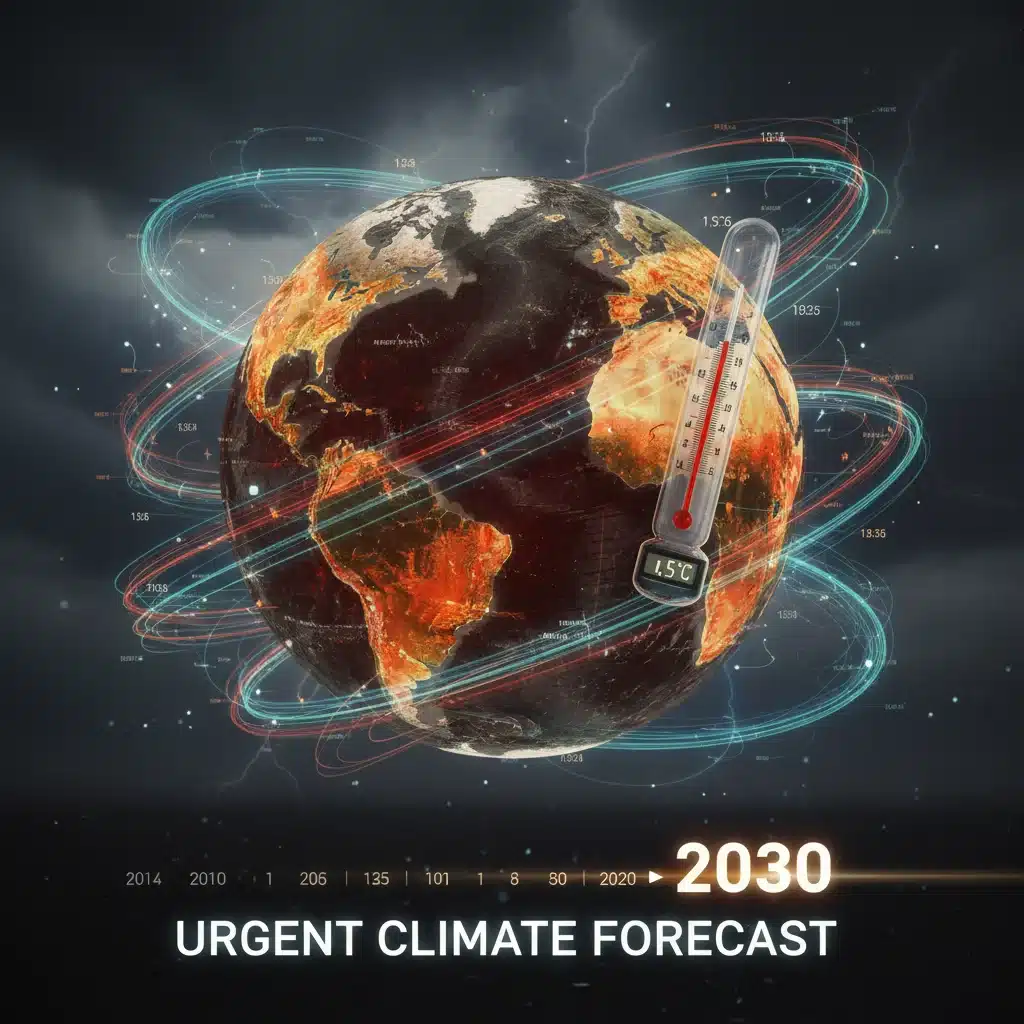
The scientific community has, once again, delivered a sobering message: the planet is warming at an accelerated rate, pushing us ever closer to critical thresholds. A recent and comprehensive climate change report forecasts a chilling reality: a 1.5-degree Celsius global temperature rise is now projected to occur by 2030. This isn’t just a number; it represents a profound shift with far-reaching consequences for ecosystems, economies, and human societies worldwide. The urgency of this forecast has put U.S. policy responses under intense scrutiny, demanding a robust and immediate overhaul of strategies to mitigate, adapt, and innovate.
For decades, scientists have warned about the dangers of exceeding certain temperature benchmarks. The 1.5°C target, enshrined in the Paris Agreement, was once considered a guardrail, a level beyond which the risks of irreversible and catastrophic impacts significantly increase. The fact that we are now on track to reach this within the next decade underscores the inadequacy of past efforts and the imperative for unprecedented action. This article delves deep into the findings of this critical climate change report, exploring its implications for various sectors and examining the current state and future trajectory of U.S. policy responses.
Understanding the gravity of this situation requires a clear grasp of the scientific consensus. The report, compiled by leading climate scientists globally, synthesizes thousands of studies, observations, and climate models. It paints a detailed picture of a world undergoing rapid transformation, from melting ice caps and rising sea levels to more frequent and intense extreme weather events. The interconnectedness of these phenomena means that exceeding the 1.5°C threshold will not simply mean slightly warmer weather; it will unleash a cascade of environmental and socio-economic challenges that will test the resilience of nations and communities across the globe.
The Alarming Forecast: 1.5°C by 2030
The core finding of the latest climate change report is undeniably alarming: the world is set to breach the the 1.5°C warming limit by 2030. This projection is not based on speculation but on current greenhouse gas emission trajectories and an improved understanding of Earth’s climate sensitivity. The report emphasizes that human activities, primarily the burning of fossil fuels, deforestation, and industrial processes, are unequivocally the dominant drivers of this warming trend. The speed at which this threshold is expected to be reached leaves little room for complacency or gradual adjustments.
What does a 1.5°C world entail? The report outlines a grim future with increased frequency and intensity of heatwaves, prolonged droughts, more destructive wildfires, and heavier rainfall events leading to widespread flooding. Coastal communities face an existential threat from rising sea levels, exacerbated by melting glaciers and ice sheets. Ocean ecosystems, already under stress from acidification and pollution, will experience further degradation, leading to significant biodiversity loss and disruptions to marine food webs. Coral reefs, vital nurseries for marine life, are particularly vulnerable and face near-total eradication at this level of warming.
Beyond the environmental impacts, the socio-economic consequences are equally dire. Food security will be jeopardized by altered precipitation patterns and extreme weather, leading to crop failures and increased hunger. Water scarcity will intensify in many regions, fueling conflicts and mass migrations. Public health systems will be strained by heat-related illnesses, vector-borne diseases, and respiratory problems exacerbated by air pollution. Infrastructure, from transportation networks to energy grids, will be vulnerable to extreme weather events, incurring massive repair costs and economic disruption.
The report also highlights the concept of "tipping points" – thresholds beyond which certain components of Earth’s climate system undergo irreversible changes. Examples include the collapse of major ice sheets, leading to meters of sea-level rise, or the dieback of large forests, transforming carbon sinks into carbon sources. While the exact timing of these tipping points remains uncertain, exceeding 1.5°C significantly increases the risk of triggering them, locking in long-term, potentially catastrophic changes that would be impossible to reverse on human timescales. This makes the findings of this climate change report a call to action of unparalleled urgency.
Understanding the Science Behind the Forecast
The credibility of this climate change report rests on robust scientific methodologies. Climate models, which are complex mathematical representations of Earth’s climate system, have become increasingly sophisticated. These models integrate data from various sources, including satellite observations, ground-based measurements, oceanographic studies, and historical climate records. They account for intricate interactions between the atmosphere, oceans, land surface, and cryosphere (ice and snow).
One of the key improvements in recent climate modeling is the enhanced resolution and incorporation of more detailed physical processes. This allows scientists to better simulate regional climate impacts and the behavior of critical components like ice sheets and ocean currents. Furthermore, "attribution science" has advanced significantly, enabling researchers to quantify the human contribution to specific extreme weather events, strengthening the link between anthropogenic emissions and observed climate impacts.
The report also relies heavily on projections of future greenhouse gas emissions. These projections are often grouped into different socio-economic pathways (SSPs), which consider various assumptions about population growth, economic development, technological advancements, and policy choices. The 1.5°C by 2030 forecast is based on current emission trends, which, unfortunately, align with some of the higher emission pathways if no significant policy interventions are implemented. This underscores that the future is not predetermined; it is a direct consequence of the choices made today and in the immediate years to come, particularly regarding the findings of this pivotal climate change report.
Feedback loops are another critical aspect of climate science that the report addresses. These are processes that can either amplify (positive feedback) or dampen (negative feedback) the initial warming. For example, melting Arctic ice reduces Earth’s albedo (reflectivity), causing more solar radiation to be absorbed by the darker ocean, leading to further warming and more ice melt – a positive feedback loop. Understanding these complex interactions is crucial for accurate climate projections and for comprehending the full implications of the climate change report‘s findings.
U.S. Policy Responses: Current Landscape and Challenges
Against the backdrop of this stark climate change report, the United States, as one of the largest historical and current emitters of greenhouse gases, faces immense pressure to act decisively. The current U.S. policy landscape is a patchwork of federal, state, and local initiatives, often characterized by shifts in priorities with changes in administration.
Federally, the Biden administration has rejoined the Paris Agreement and set ambitious targets, including a goal to cut U.S. emissions by 50-52% below 2005 levels by 2030 and achieve a net-zero economy by 2050. Key legislative actions, such as the Inflation Reduction Act (IRA), represent the most significant climate investment in U.S. history. The IRA provides billions of dollars in tax credits and incentives for renewable energy deployment, electric vehicles, energy efficiency, and carbon capture technologies. It aims to accelerate the transition away from fossil fuels and stimulate green job growth.
However, significant challenges remain. Political polarization often impedes consistent and long-term climate policy. The reliance on fossil fuels for energy and economic activity creates powerful entrenched interests that resist rapid change. Infrastructure development for renewable energy, such as transmission lines, faces permitting hurdles and local opposition. Furthermore, ensuring a just transition for communities reliant on fossil fuel industries requires careful planning and substantial investment to avoid exacerbating economic inequalities.
State and local governments have also been at the forefront of climate action, often stepping in when federal action has lagged. Many states have set their own renewable energy mandates, emissions reduction targets, and policies promoting clean transportation and sustainable land use. Cities are implementing initiatives ranging from building efficiency codes to expanding public transit. These sub-national efforts are crucial but can be fragmented and lack the scale needed to address a global problem of this magnitude, underscoring the need for a cohesive national strategy informed by the latest climate change report.
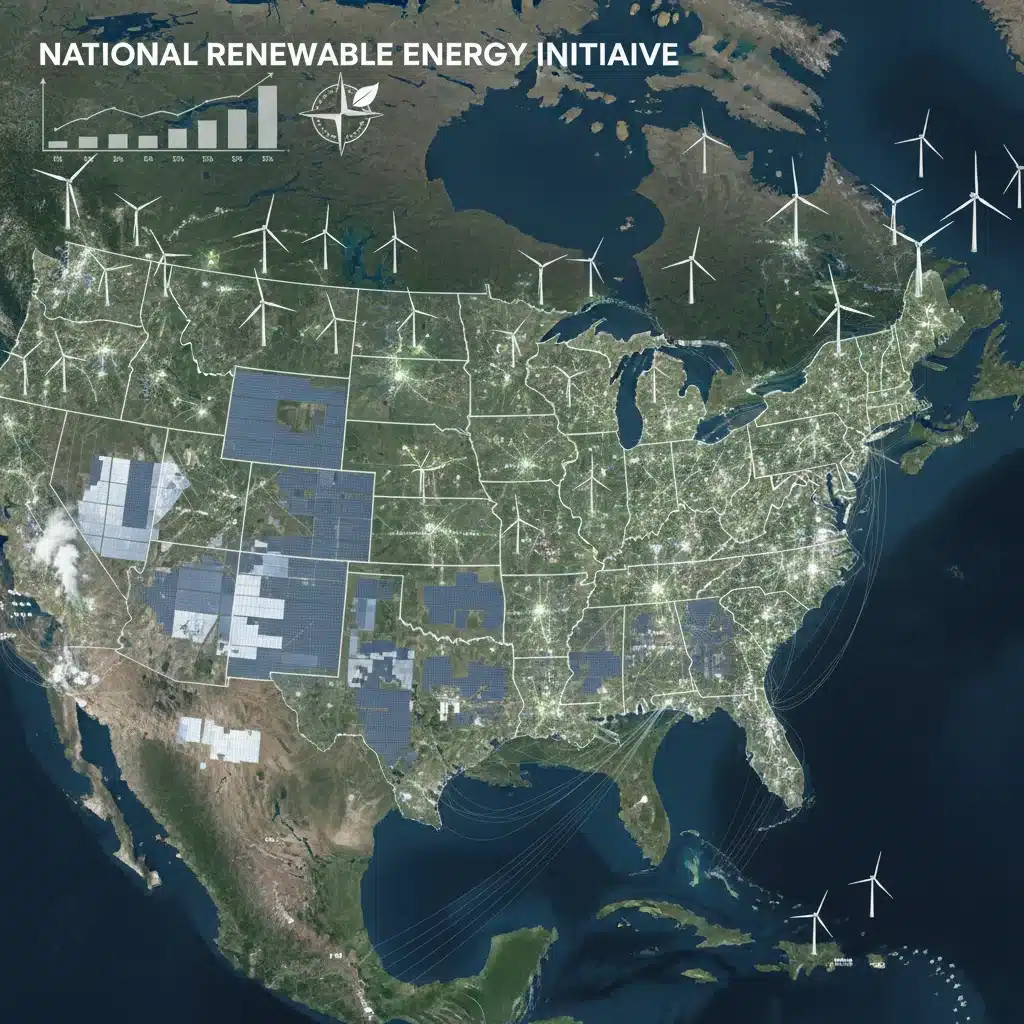
Analyzing the Effectiveness of Existing U.S. Climate Policies
The effectiveness of current U.S. climate policies in addressing the climate change report‘s 1.5°C by 2030 forecast is a subject of ongoing debate. While the Inflation Reduction Act is a monumental step, its full impact will depend on effective implementation and sustained political will. Proponents argue that the IRA’s incentives will drive down the cost of clean energy, accelerate technological innovation, and create a self-sustaining market for low-carbon solutions. Early indicators suggest a significant uptick in renewable energy projects and electric vehicle adoption.
However, critics point out that even with the IRA, the U.S. might still fall short of its 2030 emissions reduction targets. The continued expansion of fossil fuel infrastructure, albeit at a slower pace, and the global demand for oil and gas pose significant headwinds. There are also concerns about the "leakage" of emissions, where reductions in one sector or region are offset by increases elsewhere. Furthermore, the voluntary nature of some incentives means that uptake might not be as widespread or rapid as needed.
Beyond emissions reduction, the U.S. also faces a growing need for adaptation and resilience policies. The country is already experiencing the impacts of climate change, from coastal erosion in the Southeast to mega-droughts in the Southwest and increased wildfire activity in the West. Federal programs like FEMA provide disaster relief, but there’s a growing recognition that proactive investment in resilient infrastructure, early warning systems, and nature-based solutions is essential. The challenge lies in scaling these efforts to match the accelerating pace of climate impacts, as highlighted by the climate change report.
The role of regulatory frameworks is also critical. Environmental Protection Agency (EPA) regulations on emissions from power plants and vehicles can complement legislative action. However, these regulations are often subject to legal challenges and political interference, leading to uncertainty and delays. A stable and predictable regulatory environment is crucial for businesses to invest in clean technologies and for states to plan long-term climate strategies. The interplay between legislative, executive, and judicial branches significantly influences the pace and direction of U.S. climate action.
Proposed Solutions and Future Policy Directions
Addressing the urgent warning of the climate change report – 1.5°C by 2030 – requires an aggressive and multifaceted approach to U.S. policy. Future directions must build upon existing frameworks while introducing innovative solutions and strengthening international cooperation.
Accelerated Decarbonization
The cornerstone of any effective climate strategy must be the rapid decarbonization of the energy sector. This entails not only continuing to incentivize renewables but also implementing policies that actively phase out fossil fuel subsidies and disincentivize their extraction and use. A national clean energy standard, mandating a certain percentage of electricity from zero-carbon sources, could provide long-term market certainty. Investments in grid modernization and energy storage are also crucial to integrate intermittent renewable energy sources effectively.
Carbon Pricing Mechanisms
Many economists advocate for carbon pricing mechanisms, such as a carbon tax or a cap-and-trade system, as an efficient way to reduce emissions. By putting a price on carbon, these mechanisms internalize the environmental cost of emissions, encouraging businesses and consumers to reduce their carbon footprint. While politically challenging in the U.S., a well-designed carbon pricing system, potentially with revenue recycling to offset impacts on low-income households, could be a powerful tool to meet the goals outlined in the climate change report.
Enhanced Adaptation and Resilience
Given that some level of warming is already locked in, significant investment in adaptation and resilience measures is non-negotiable. This includes funding for climate-resilient infrastructure (e.g., sea walls, elevated buildings, improved drainage), nature-based solutions (e.g., restoring wetlands, planting urban forests), and robust early warning systems for extreme weather. Policies should also focus on protecting vulnerable communities and ensuring equitable access to resources for adaptation. The federal government can play a leading role by providing funding, technical assistance, and national standards for climate resilience.
Technological Innovation and Deployment
Continued investment in research and development (R&D) for next-generation clean technologies is vital. This includes advanced battery storage, green hydrogen, sustainable aviation fuels, and direct air capture technologies. Public-private partnerships can help accelerate the transition of these innovations from laboratories to commercial deployment. Policies supporting manufacturing and supply chain resilience for clean energy technologies can also create domestic jobs and reduce reliance on foreign supply chains.
International Collaboration
Climate change is a global problem requiring global solutions. The U.S. must reassert its leadership in international climate diplomacy, working with other major emitters to strengthen global commitments and facilitate technology transfer to developing nations. Supporting international climate finance initiatives and participating in multilateral forums are crucial for building collective action against the threats highlighted by the climate change report.
Just Transition and Equity
Crucially, all climate policies must be designed with equity and justice at their core. The transition to a clean economy must not leave behind communities historically reliant on fossil fuel industries or disproportionately impacted by pollution. This requires investment in retraining programs, job creation in green sectors, and addressing environmental injustices in marginalized communities. Ensuring that the benefits of climate action are broadly shared will build public support and ensure the long-term viability of these policies.
The Role of Innovation and Technology in Mitigating Climate Change
Innovation and technology are not silver bullets, but they are indispensable tools in the fight against climate change, especially in light of the urgent warnings from the latest climate change report. From renewable energy breakthroughs to advanced carbon capture, technological advancements offer pathways to dramatically reduce emissions and build resilience.
Renewable Energy Technologies
Solar photovoltaic (PV) and wind power have seen dramatic cost reductions and efficiency improvements over the past decade. Continued innovation in materials science, manufacturing processes, and grid integration technologies can further enhance their performance and expand their deployment. Geothermal energy, hydropower, and sustainable bioenergy also have significant potential, requiring targeted R&D and supportive policies to scale up.
Energy Storage Solutions
The intermittency of solar and wind power necessitates robust energy storage solutions. Lithium-ion batteries currently dominate, but research into alternative battery chemistries (e.g., solid-state, flow batteries), pumped-hydro storage, and thermal storage is crucial for long-duration and grid-scale applications. Advances in smart grid technologies, which optimize energy flow and demand response, are also vital for a resilient and decarbonized electricity system.
Carbon Capture, Utilization, and Storage (CCUS)
While emissions reduction remains the priority, CCUS technologies can play a role in decarbonizing hard-to-abate sectors like heavy industry and potentially removing legacy emissions from the atmosphere. Innovations in capture materials, energy-efficient processes, and safe geological storage are ongoing. Direct Air Capture (DAC) technologies, which pull CO2 directly from the ambient air, are also gaining traction, though they are currently energy-intensive and expensive. Policy support for R&D and demonstration projects is critical for these technologies to mature.
Sustainable Transportation
Electric vehicles (EVs) are at the forefront of transportation decarbonization. Continued innovation in battery technology, charging infrastructure, and vehicle-to-grid integration will accelerate EV adoption. Beyond passenger vehicles, developing electric and hydrogen-powered solutions for heavy-duty trucking, shipping, and aviation is a significant challenge requiring substantial R&D investment. Sustainable urban planning, promoting public transit, cycling, and walking, also reduces the overall demand for vehicle miles traveled.
Agricultural and Land Use Innovations
Agriculture is both a source and a sink of greenhouse gases. Innovations in sustainable farming practices, such as precision agriculture, improved soil health management (which can sequester carbon), and reduced methane emissions from livestock, are critical. Forest management practices that enhance carbon sequestration, reforestation, and preventing deforestation also play a vital role. Digital technologies, such as satellite monitoring and AI-driven analytics, can help optimize land use and track emissions reductions.
The pace of technological innovation is a key determinant of our ability to meet the climate challenge outlined in the climate change report. Government policies that foster R&D, provide incentives for early-stage deployment, and create markets for new technologies are essential to harness the full potential of innovation.

The Economic Implications of Inaction vs. Action
The latest climate change report makes it clear that the economic implications of climate change are profound, whether through inaction or decisive action. The choice is not between economic growth and environmental protection, but rather between a fragile, high-carbon economy vulnerable to climate shocks and a resilient, sustainable low-carbon economy.
Costs of Inaction
The costs of inaction are mounting rapidly. The increasing frequency and intensity of extreme weather events – hurricanes, floods, droughts, and wildfires – cause billions of dollars in damages annually, straining insurance markets and government budgets. Agricultural losses, disruptions to supply chains, and impacts on public health also incur significant economic penalties. The long-term costs associated with sea-level rise, such as relocating coastal communities and protecting critical infrastructure, are staggering. Furthermore, the degradation of natural capital – ecosystems that provide essential services like clean water, fertile soil, and biodiversity – represents an immeasurable loss to the economy and human well-being. The climate change report serves as a stark reminder that these costs will only escalate if emissions are not drastically cut.
Benefits of Climate Action
Conversely, investing in climate action presents significant economic opportunities. The transition to a clean energy economy creates new industries, jobs, and export markets. Investments in renewable energy, energy efficiency, and electric vehicles stimulate economic growth and innovation. Studies suggest that the economic benefits of avoiding climate damages far outweigh the costs of mitigation. For example, improved air quality from reduced fossil fuel combustion leads to significant public health benefits, lowering healthcare costs and increasing productivity.
Furthermore, climate action can enhance energy security by reducing reliance on volatile global fossil fuel markets. It can also foster innovation across various sectors, leading to technological advancements that benefit society beyond climate mitigation. The "green economy" is a burgeoning sector, attracting substantial private investment and offering pathways to sustainable prosperity. Proactive policies, informed by the climate change report, can position the U.S. as a leader in these emerging markets.
The Just Transition
A critical aspect of the economic discussion is ensuring a "just transition." While the shift away from fossil fuels creates new opportunities, it also poses challenges for communities and workers currently dependent on these industries. Policies must be designed to support these transitions through retraining programs, investment in new industries in affected regions, and social safety nets. Failing to address these equity concerns can create political resistance and undermine climate efforts. The economic transition must be fair and inclusive to be successful and sustainable in the long run.
The Imperative for Global Cooperation and U.S. Leadership
The climate change report, forecasting a 1.5°C rise by 2030, unequivocally demonstrates that climate change is a global crisis demanding a coordinated global response. No single nation, regardless of its economic or technological power, can solve this problem alone. The U.S., as a major economy and historical emitter, has a critical role to play in fostering international cooperation and demonstrating leadership.
International agreements, such as the Paris Agreement, provide the framework for global action, but their effectiveness depends on ambitious national commitments and robust implementation. The U.S. rejoining the Paris Agreement was a vital step, signaling a renewed commitment to global climate efforts. However, leadership requires more than just participation; it demands setting ambitious targets, delivering on those commitments, and encouraging other nations, particularly major emitters, to do the same.
This includes providing financial and technical support to developing countries, which are often the most vulnerable to climate impacts but have contributed the least to the problem. Climate finance, technology transfer, and capacity building are essential components of global equity and effective collective action. The U.S. can leverage its diplomatic influence to strengthen international climate institutions, promote transparency in emissions reporting, and facilitate global cooperation on climate research and innovation.
Furthermore, the U.S. can lead by example in developing and deploying cutting-edge clean technologies, demonstrating that economic prosperity and climate action are not mutually exclusive. By showcasing successful decarbonization strategies and resilient adaptation measures, the U.S. can inspire and enable other nations to accelerate their own climate transitions. The findings of the climate change report underscore that the window for meaningful action is rapidly closing, making global cooperation and U.S. leadership more critical than ever before.
Conclusion: A Call to Immediate and Sustained Action
The latest climate change report serves as a stark, unequivocal warning: the world is on an accelerated path to a 1.5°C global temperature rise by 2030. This forecast is not merely a scientific prediction; it is a profound call to immediate and sustained action. The implications for our planet, our societies, and our economies are too significant to ignore. The United States, with its economic might, technological prowess, and historical responsibility, holds a pivotal position in shaping the global response to this existential threat.
Current U.S. policy responses, while showing signs of renewed commitment, must be significantly scaled up and accelerated. The Inflation Reduction Act is a crucial step, but it represents a foundation upon which more ambitious and comprehensive policies must be built. This includes further decarbonizing the energy sector, implementing effective carbon pricing mechanisms, investing massively in adaptation and resilience, fostering continuous technological innovation, and championing international cooperation with renewed vigor.
The economic arguments for climate action are now clearer than ever. The costs of inaction – in terms of human lives, environmental degradation, and economic disruption – far outweigh the investments required for a sustainable transition. Conversely, proactive climate policies offer immense opportunities for economic growth, job creation, and enhanced national security. However, this transition must be just and equitable, ensuring that no community is left behind.
The window of opportunity to avert the most catastrophic impacts of climate change is rapidly narrowing. The 2030 deadline for the 1.5°C threshold is not a distant future; it is just around the corner. The findings of this climate change report demand that policymakers, businesses, and citizens alike embrace their collective responsibility to act with unprecedented urgency and determination. Our future, and the future of generations to come, depends on the decisions and actions taken today.

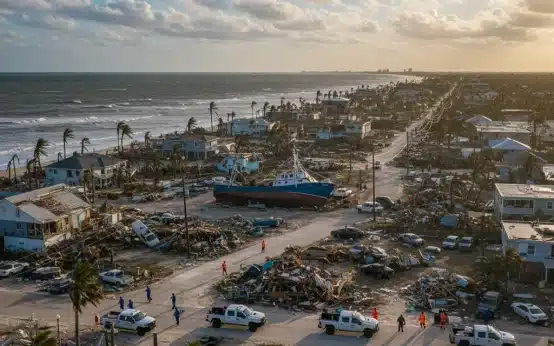 Federal Disaster Relief: $50 Billion Aid Package Approved for Storm-Affected Regions
  US Asian Trade Agreement: Economic Impact Analysis 5 Years Out
  Homeland Security Updates: Global Travel Advisories & Safety Protocols