
Social Media Accountability: Key Testimonies and Legislation

Anúncios
Congressional Hearing on Social Media Accountability: Key Testimonies and Proposed Legislation This Quarter
In an increasingly digital world, the influence of social media platforms on society, democracy, and individual well-being cannot be overstated. As these platforms continue to evolve and integrate deeper into our daily lives, so too does the scrutiny from lawmakers and the public. The past quarter has seen a significant surge in efforts to address the multifaceted challenges posed by social media, culminating in pivotal congressional hearings that brought tech giants to the stand. These sessions have not only highlighted critical issues but also laid the groundwork for potential new legislation aimed at enhancing social media accountability.
The call for greater social media accountability stems from a range of concerns, including data privacy breaches, the spread of misinformation and disinformation, the impact on mental health, particularly among younger users, and the platforms’ role in political polarization. Lawmakers, driven by a growing public demand for transparency and responsibility, have intensified their focus on understanding and regulating these powerful entities.
Anúncios
The Urgency of Social Media Accountability
The concept of social media accountability has moved from the periphery to the forefront of policy discussions. What exactly does it entail? At its core, it refers to the expectation that social media companies should be held responsible for the content disseminated on their platforms, the algorithms they employ, and the data privacy practices they uphold. This accountability extends to their societal impact, including effects on mental health, democratic processes, and the spread of harmful content.
Anúncios
Recent events have underscored this urgency. High-profile data breaches, revelations about internal research on the negative effects of platforms on teenagers, and the role of social media in amplifying extremist views have all fueled the legislative drive. Public trust in these platforms has eroded, making governmental intervention seem not just plausible but necessary to many.
The legislative landscape is complex, with various stakeholders proposing different approaches to regulation. Some advocate for stricter content moderation rules, while others focus on data privacy reforms or antitrust measures to curb the power of tech monopolies. Regardless of the specific approach, the overarching goal remains the same: to ensure that social media platforms operate in a manner that is safe, transparent, and beneficial to society.
Understanding these hearings and proposed legislations is crucial for anyone interested in the future of technology, public policy, and digital citizenship. This article will delve into the specifics of the recent congressional hearings, examining the key testimonies from prominent tech leaders and outlining the most significant proposed legislation that could redefine the operational framework for social media companies.
Key Testimonies: Tech Leaders Under Scrutiny
The recent congressional hearings were marked by intense questioning and often terse exchanges between lawmakers and the CEOs of major social media companies. These testimonies were not merely symbolic; they served as a platform for Congress to publicly address critical issues and for tech leaders to articulate their companies’ positions and defense strategies. The overarching theme was a push for greater social media accountability.
One recurring point of contention was the issue of child safety and mental health. Lawmakers presented compelling evidence and personal accounts highlighting the detrimental effects of social media on young users, citing internal company documents that reportedly showed an awareness of these harms. CEOs were pressed on their efforts to protect minors, implement age verification, and mitigate features known to contribute to addiction or body image issues. Their responses often emphasized ongoing investments in safety features, AI-driven content moderation, and partnerships with mental health organizations, though these explanations frequently fell short of satisfying their interrogators.
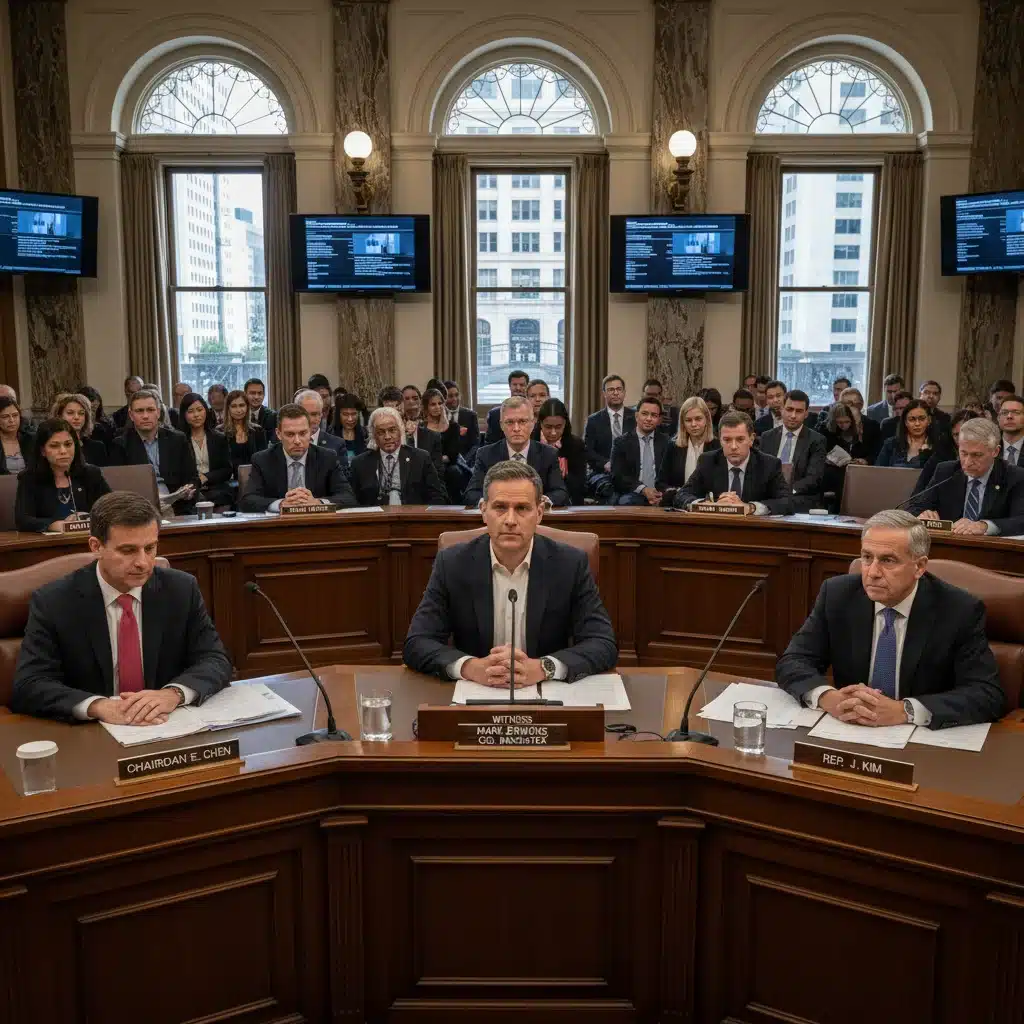
Data privacy was another central pillar of the discussions. With numerous high-profile data breaches in recent years, Congress sought assurances regarding how user data is collected, stored, and utilized. Questions focused on the transparency of data practices, the effectiveness of existing privacy controls, and the potential for new regulations akin to Europe’s General Data Protection Regulation (GDPR). Tech executives generally reiterated their commitment to user privacy and compliance with existing laws, often pointing to complex technical solutions and user-controlled settings as safeguards.
The spread of misinformation and disinformation also dominated the hearings. Lawmakers expressed deep concerns about the role of social media in amplifying false narratives, particularly those related to public health, elections, and national security. CEOs were challenged on their content moderation policies, the efficacy of their fact-checking initiatives, and the algorithms that often prioritize engagement over accuracy. While companies detailed their efforts to combat harmful content, including hiring more moderators and developing AI tools, critics argued these measures were often insufficient or reactive rather than proactive.
Furthermore, the hearings touched upon the broader implications of platform power, including antitrust concerns and the dominance of a few large companies in the digital sphere. Some lawmakers suggested that the sheer size and market power of these companies inherently limit competition and innovation, leading to calls for potential breakups or stricter regulatory oversight. The testimonies from these tech leaders, while often defensive, provided valuable insights into the internal workings and challenges faced by social media platforms, further fueling the debate on social media accountability.
Key Takeaways from Testimonies:
- Child Safety: A major focus, with lawmakers pressing on features impacting youth mental health and potential addiction.
- Data Privacy: Scrutiny over data collection, usage, and security protocols, with comparisons to international standards.
- Misinformation: Questions regarding content moderation, fact-checking, and algorithmic amplification of false narratives.
- Platform Power: Discussions on market dominance, antitrust concerns, and the need for greater competition.
These testimonies collectively painted a picture of an industry grappling with immense power and responsibility, under increasing pressure to demonstrate genuine social media accountability. The responses from tech executives, while often highlighting ongoing efforts, also revealed the inherent complexities of regulating vast, global digital ecosystems.
Proposed Legislation: Shaping the Future of Digital Platforms
The congressional hearings were not merely an exercise in public admonishment; they were a crucial step towards formulating concrete legislative action. Several significant bills and proposals are currently on the table, each aiming to address different facets of social media accountability. These legislative efforts could fundamentally reshape how social media companies operate, impacting everything from their business models to user experience.
Children’s Online Safety Act (COSA)
One of the most prominent pieces of legislation is the Children’s Online Safety Act (COSA). This bipartisan bill seeks to impose a duty of care on social media platforms to prevent and mitigate harm to minors. It would require platforms to implement stricter age verification measures, turn off addictive features for users under 16, and provide more robust parental controls. The bill also aims to prevent the promotion of self-harm, eating disorders, and substance abuse content to minors. Proponents argue that COSA is a vital step in protecting children in an increasingly digital world, while critics raise concerns about potential censorship and the practical challenges of age verification.
American Innovation and Choice Online Act (AICOA)
Addressing antitrust concerns, the American Innovation and Choice Online Act (AICOA) targets the market dominance of large tech companies. While not exclusively focused on social media, its provisions could significantly impact how platforms operate, particularly regarding self-preferencing and the promotion of their own products and services over those of competitors. This bill aims to foster greater competition and prevent monopolistic practices, potentially leading to a more diverse and innovative digital landscape. The debate around AICOA highlights the tension between promoting competition and the potential for unintended consequences on integrated service offerings.
Data Privacy Legislation
Several proposals are circulating regarding a comprehensive federal data privacy law, often drawing inspiration from GDPR. These bills typically seek to grant users more control over their personal data, including the right to access, correct, and delete their information. They also aim to impose stricter requirements on companies regarding data collection, storage, and sharing, with significant penalties for non-compliance. A unified federal standard would simplify the current patchwork of state-level privacy laws but faces challenges in balancing consumer protection with business innovation.

Section 230 Reform
Perhaps one of the most contentious areas of legislative discussion is the reform of Section 230 of the Communications Decency Act. This law currently provides broad immunity to online platforms for content posted by third parties, while also allowing them to moderate content in good faith. Critics argue that Section 230 has allowed social media companies to avoid responsibility for harmful content, while proponents fear that its repeal or significant alteration could stifle free speech and lead to over-moderation or under-moderation, depending on the specific changes. Various proposals range from minor tweaks to outright repeal, each with profound implications for the future of online discourse and social media accountability.
Algorithmic Transparency and Accountability Act
A newer area of focus is legislation aimed at increasing transparency around the algorithms used by social media platforms. The Algorithmic Transparency and Accountability Act, or similar proposals, would require companies to disclose how their algorithms recommend content, particularly when those recommendations contribute to the spread of misinformation or harmful narratives. This type of legislation seeks to shed light on the ‘black box’ of algorithmic decision-making, allowing for greater scrutiny and potentially empowering users with more control over their content feeds. The goal is to ensure that algorithms serve user interests rather than purely engagement metrics, thereby enhancing social media accountability.
The legislative landscape is dynamic and complex, with each proposed bill sparking intense debate among lawmakers, tech companies, advocacy groups, and the public. The coming months will be crucial in determining which of these proposals gain traction and ultimately become law, shaping the future of social media accountability for years to come.
The Impact of Legislation on Social Media Platforms and Users
The potential enactment of new legislation targeting social media accountability carries significant implications for both the platforms themselves and their vast user base. For social media companies, these changes could necessitate fundamental shifts in their operational models, product development, and even their financial outlook. For users, the impact could range from enhanced safety and privacy to altered content experiences and platform functionalities.
Impact on Social Media Companies:
- Increased Compliance Costs: Implementing new age verification systems, robust data privacy protocols, and more sophisticated content moderation tools will require substantial financial investment and operational adjustments.
- Algorithm Modifications: Laws demanding algorithmic transparency or changes to recommendation engines could force platforms to re-engineer their core technologies, potentially affecting engagement metrics and advertising revenue.
- Content Moderation Challenges: Stricter rules on harmful content, especially concerning minors or misinformation, could lead to more aggressive moderation, raising concerns about free speech and the potential for over-censorship.
- Legal Liabilities: Changes to Section 230 or new liabilities for platform-amplified content could expose companies to increased legal risks and lawsuits, fundamentally altering their business risk profiles.
- Market Structure Changes: Antitrust legislation could lead to divestitures or structural changes, potentially fostering new competitors but also disrupting established ecosystems.
These changes are not merely cosmetic; they could redefine the competitive landscape, influence innovation trajectories, and challenge the very foundations of the ad-supported business models that many platforms rely upon. The industry is already bracing for a more regulated future, with many companies actively engaging with lawmakers to shape the outcome of these legislative debates.
Impact on Users:
- Enhanced Safety and Privacy: Users, particularly minors, could benefit from stronger protections against harmful content, cyberbullying, and data exploitation. Federal privacy laws could grant individuals more control over their personal information.
- Different Content Experience: Changes to algorithms might alter what content users see, potentially reducing the spread of misinformation but also possibly limiting the diversity of perspectives or the virality of certain content.
- Improved Mental Health: Features designed to reduce addiction or mitigate negative mental health impacts, especially for younger users, could lead to a healthier online environment.
- Age Verification Hurdles: Stricter age verification could introduce new barriers to entry for younger users, potentially limiting their access to platforms or requiring more personal information.
- Greater Transparency: Algorithmic transparency could empower users with a better understanding of how content is curated for them, allowing for more informed choices about their online interactions.
Ultimately, the goal of these legislative efforts is to create a safer, more transparent, and more accountable digital ecosystem. While there will undoubtedly be trade-offs and challenges in implementation, the long-term benefits of greater social media accountability could lead to a more responsible and beneficial online experience for everyone. The balance between innovation, free speech, and user protection will be a delicate one to strike, and the legislative outcomes will shape this balance for years to come.
The Road Ahead: Challenges and Opportunities for Social Media Accountability
The path toward comprehensive social media accountability is fraught with challenges, yet it also presents significant opportunities for innovation and positive societal change. The legislative process itself is slow and often contentious, requiring compromise among diverse political ideologies and powerful lobbying interests. Beyond legislation, effective enforcement and global cooperation will be crucial.
Challenges:
- Defining Harm: One of the primary challenges is defining what constitutes ‘harmful content’ in a way that is legally sound, universally applicable, and respects freedom of speech. This is particularly complex given the global nature of social media and varying cultural norms.
- Technological Feasibility: Implementing certain legislative requirements, such as robust age verification or real-time content moderation at scale, presents immense technological hurdles and privacy concerns.
- Global Harmonization: Social media platforms operate across borders, making unilateral national legislation potentially ineffective or difficult to enforce. International cooperation on standards and regulations is essential but hard to achieve.
- Balancing Innovation and Regulation: Overly prescriptive regulations could stifle innovation, making it harder for new platforms to emerge and for existing ones to evolve. Finding the right balance is key.
- First Amendment Concerns: In the U.S., many proposed regulations face scrutiny under the First Amendment, raising questions about whether governmental mandates on content moderation constitute compelled speech or censorship.
Opportunities:
- Restored Public Trust: Successful implementation of accountability measures could restore public trust in digital platforms, leading to healthier online communities and more meaningful interactions.
- Safer Online Environments: Enhanced protections for children and vulnerable populations, coupled with reduced misinformation, could create significantly safer online spaces.
- Increased Competition: Antitrust measures could break up monopolies, fostering a more competitive market that drives innovation and offers users more choices.
- Empowered Users: Greater data privacy rights and algorithmic transparency could empower users with more control over their digital lives and a better understanding of how platforms influence their experiences.
- New Industry Standards: Legislation could spur the development of new industry standards for ethics, transparency, and safety, pushing tech companies to adopt best practices voluntarily.
The current quarter’s congressional hearings have undeniably intensified the focus on social media accountability. They have brought to light the urgent need for a more structured and responsible approach to governing the digital realm. While the legislative journey is far from over, the momentum is clearly building towards a future where social media platforms are held to higher standards of responsibility and transparency. The outcome of these efforts will not only shape the future of tech but also have profound implications for society at large, influencing how we communicate, consume information, and interact in the digital age.
As these discussions continue, it is imperative for citizens, policymakers, and tech companies alike to engage constructively, seeking solutions that protect fundamental rights while fostering innovation. The goal is not to dismantle social media but to reform it, ensuring that its immense power is wielded responsibly for the collective good. The pursuit of robust social media accountability is a complex but necessary endeavor for the health of our digital society.
