
Unemployment Benefits 2026: Extended Claims & New State Requirements Explained
Anúncios
The landscape of unemployment benefits is constantly evolving, a dynamic reflection of economic conditions, legislative priorities, and societal needs. As we look ahead to 2026, it’s crucial for both workers and employers to understand the potential shifts, particularly concerning extended claims and new state requirements. The past few years have demonstrated the vital role unemployment insurance plays as a safety net, and the lessons learned are likely to shape future policies. This comprehensive guide will delve into what you need to know about unemployment benefits 2026, helping you navigate the complexities and prepare for anticipated changes.
Anúncios
Understanding the Current Unemployment Benefits Framework
Before we project into 2026, it’s essential to grasp the foundational structure of unemployment benefits in the United States. Unemployment insurance (UI) is a joint federal-state program designed to provide temporary financial assistance to eligible workers who are unemployed through no fault of their own. Each state administers its own UI program, adhering to federal guidelines but retaining significant autonomy in setting eligibility criteria, benefit amounts, and duration.
Key Components of Unemployment Benefits:
- Regular State UI: This is the primary program, offering up to 26 weeks of benefits in most states, though some states offer fewer or more. Eligibility typically depends on recent work history and earnings.
- Extended Benefits (EB): This federal-state program provides additional weeks of benefits during periods of high unemployment. EB is triggered automatically in states when their insured unemployment rate reaches certain thresholds. It’s not always active and depends heavily on economic indicators.
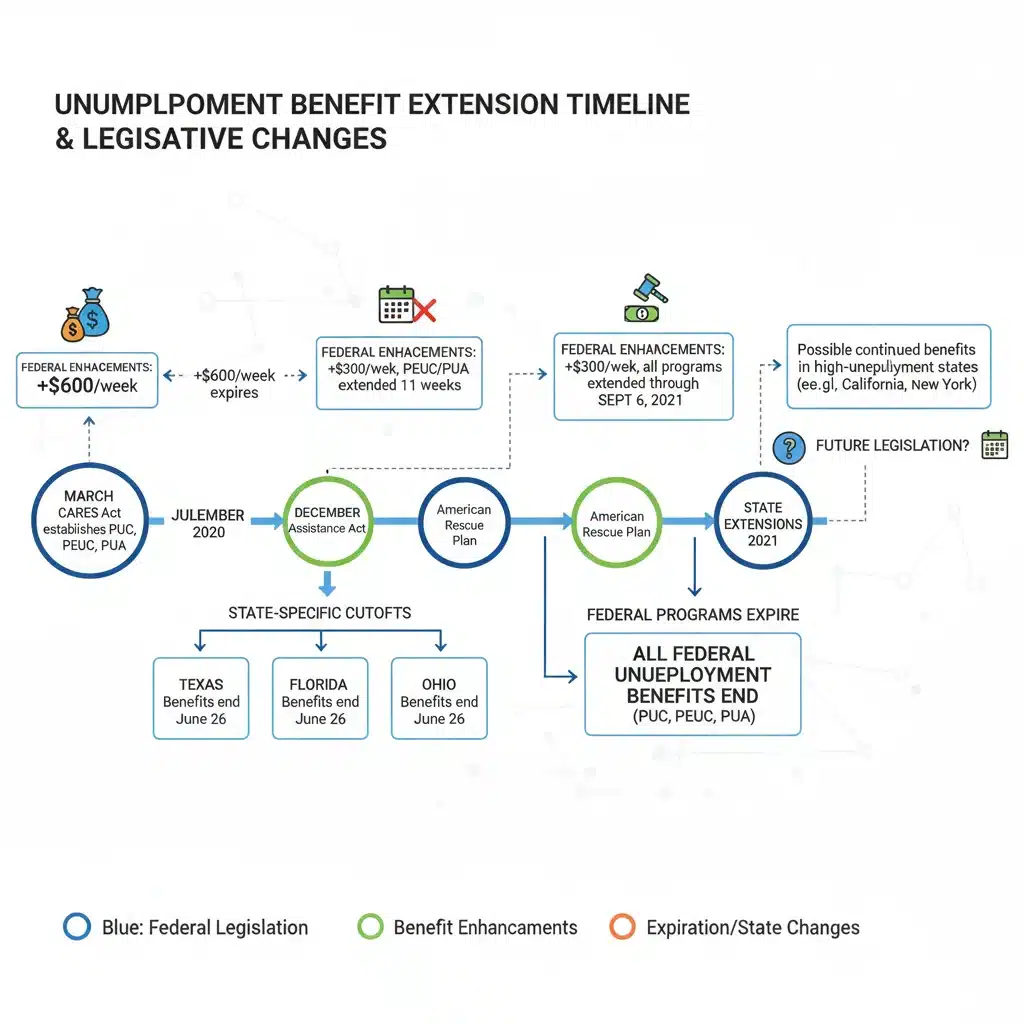
- Federal Programs: Historically, federal programs like Pandemic Unemployment Assistance (PUA) and Pandemic Emergency Unemployment Compensation (PEUC) were enacted during crises (e.g., the COVID-19 pandemic) to expand eligibility and extend benefit duration. While these specific programs have sunsetted, their existence sets a precedent for future federal intervention during severe economic downturns.
The maximum weekly benefit amount varies significantly by state, as do the specific requirements for maintaining eligibility, such as actively searching for work. Understanding these current parameters is the first step in anticipating how unemployment benefits 2026 might differ.
Anúncios
Forecasting Extended Claims in 2026
The question of extended claims for unemployment benefits 2026 is highly dependent on economic forecasts and legislative action. While no specific federal extensions are currently mandated for 2026, several factors could lead to their reintroduction or activation of existing programs like Extended Benefits (EB).
Economic Indicators to Watch:
- Unemployment Rate: A sustained increase in the national or state unemployment rate is the primary trigger for Extended Benefits. If the economy experiences a significant downturn, states could automatically activate EB programs.
- Economic Recessions: A formal recession, characterized by a significant decline in economic activity spread across the economy, could prompt Congress to consider new federal unemployment programs, similar to those seen during the pandemic.
- Inflation and Cost of Living: While not a direct trigger for extensions, high inflation could put pressure on policymakers to provide longer-term support, especially if it disproportionately affects unemployed individuals.
It’s important to differentiate between federal legislation creating new programs (like PUA/PEUC) and the automatic activation of state-federal Extended Benefits. The latter is more likely to occur organically in response to economic conditions, while the former requires direct congressional action. Keeping an eye on economic news and reports from the Bureau of Labor Statistics will be crucial for predicting the likelihood of extended claims for unemployment benefits 2026.
Congressional Readiness for Future Crises:
Lessons from past economic shocks have highlighted the need for more agile and responsive unemployment systems. There is ongoing discussion among policymakers about creating more permanent and flexible mechanisms for extending benefits during future crises, rather than relying on ad-hoc legislation. While concrete proposals for 2026 are still speculative, the groundwork for such reforms might be laid in the preceding years.
For individuals currently receiving or anticipating unemployment benefits, understanding the potential for extended claims is vital for financial planning. Staying informed through official state unemployment agency websites and reliable news sources will be key.
New State Requirements for Unemployment Benefits in 2026
While federal policy often grabs headlines, much of the practical application of unemployment benefits 2026 will be governed by state-level requirements. States continuously review and update their UI laws to adapt to changing labor markets, technology, and budgetary constraints. These changes can impact eligibility, work search requirements, benefit amounts, and even the application process.
Areas of Potential State-Level Changes:
- Work Search Requirements: Many states temporarily waived or relaxed work search requirements during the pandemic. However, most have since reinstated stricter rules. For 2026, states might further refine these requirements, potentially focusing on specific types of job search activities, mandatory attendance at job fairs, or participation in re-employment services. Some states might introduce stricter reporting mechanisms to ensure compliance.
- Eligibility Criteria: States could modify the minimum earnings or hours worked required in a base period to qualify for benefits. There might also be adjustments to what constitutes ‘suitable work’ or ‘good cause’ for leaving a job, impacting who is deemed eligible for unemployment benefits 2026.
- Benefit Duration and Amounts: While 26 weeks remains the standard, some states have experimented with shorter or longer durations based on their unemployment rates. Similarly, weekly benefit amounts are periodically reviewed and adjusted, though these changes are often incremental.
- Fraud Prevention Measures: Following a surge in unemployment fraud during the pandemic, states are investing heavily in new technologies and processes to detect and prevent fraudulent claims. This could translate into more rigorous identity verification steps, data matching with other agencies, and more severe penalties for those found to be committing fraud. Applicants for unemployment benefits 2026 should expect more robust security checks.
- Technology and Application Process: Many states have modernized their UI systems, moving towards more online-centric applications and claimant portals. This trend is likely to continue, with further improvements in user experience, mobile accessibility, and integration with other state services. However, this also means individuals without reliable internet access or digital literacy might face new hurdles.
- Employer Contribution Rates: Changes in state UI laws can also impact employers, particularly regarding their contribution rates to the unemployment insurance trust fund. States experiencing high claim volumes or depleted trust funds might adjust these rates, which could indirectly influence employer hiring practices and their willingness to contest claims.
How to Stay Informed About State-Specific Changes:
Given the variability, the best approach is to:
- Monitor Your State’s Labor Department Website: This is the official source for all UI information, including legislative updates, eligibility rules, and application procedures.
- Subscribe to Alerts: Many state agencies offer email or SMS alerts for important changes.
- Consult Local Workforce Agencies: These agencies often provide direct assistance and information tailored to your specific region.
Eligibility Criteria for Unemployment Benefits 2026
While specific rules vary by state, the core eligibility requirements for unemployment benefits 2026 are expected to remain consistent with current principles. To qualify, you generally must meet three main criteria:
1. Monetary Eligibility:
This refers to your work history and earnings during a specific period, typically called the ‘base period’ (usually the first four of the last five completed calendar quarters before you filed your claim). States require you to have earned a certain amount of wages or worked a minimum number of hours during this period to demonstrate a recent attachment to the workforce. These thresholds are subject to state-specific modifications, so it’s essential to check your state’s current rules.
2. Reason for Separation:
You must be unemployed through no fault of your own. This typically means you were laid off, your position was eliminated, or you were furloughed. If you quit your job, you generally won’t be eligible unless you had ‘good cause’ (e.g., unsafe working conditions, medical reasons, or a spouse’s relocation to another state). If you were fired, you might be eligible if the termination was not due to misconduct (e.g., poor performance versus gross insubordination). States define ‘good cause’ and ‘misconduct’ differently, and these definitions can be updated.
3. Able, Available, and Actively Seeking Work:
To receive unemployment benefits, you must be physically and mentally able to work, available for work, and actively searching for new employment. This is where state-specific work search requirements come heavily into play. In 2026, we can anticipate states continuing to emphasize:
- Documented Job Search Activities: Keeping a detailed log of applications, interviews, and networking efforts.
- Availability for Suitable Work: Being ready and willing to accept a job that aligns with your skills and experience.
- Participation in Re-employment Services: Some states may mandate attendance at workshops or career counseling sessions.
Any changes to these fundamental eligibility criteria for unemployment benefits 2026 would likely be significant legislative acts at the state level, driven by economic conditions or a desire to reform the system. It’s always best to apply if you believe you might be eligible, as state agencies make determinations on a case-by-case basis.
The Application Process for Unemployment Benefits in 2026
The application process for unemployment benefits 2026 is expected to be predominantly online, building on the digital transformations accelerated by the pandemic. While the core steps remain similar, improvements in technology and fraud prevention measures will likely shape the experience.
Steps to Apply:
- Gather Necessary Information: Before you begin, collect all essential documents. This typically includes your Social Security number, driver’s license or state ID, mailing address, phone number, email address, employment history for the past 18-24 months (including employer names, addresses, phone numbers, dates of employment, and reasons for separation), and gross earnings. If you were a federal employee or served in the military, you’ll need additional documentation.
- File Your Claim Online: Most states strongly encourage or require online applications through their respective Department of Labor or Employment Security websites. The online portal will guide you through a series of questions about your work history, earnings, and reason for unemployment. Be prepared for potential identity verification steps, which may include uploading documents or answering security questions.
- Understand Waiting Periods: Most states have a waiting week during which you are eligible for benefits but do not receive payment. This is often the first week of your claim. Be aware of your state’s specific rules for 2026.
- Certify for Benefits Regularly: After your initial application is approved, you will need to ‘certify’ for benefits, usually weekly or bi-weekly. This involves answering questions about your availability for work, any earnings you had, and your job search activities. Accurate and timely certification is crucial for receiving continuous payments. Any new state requirements for unemployment benefits 2026 regarding work search will be strictly enforced during this certification process.
- Respond to All Correspondence: State unemployment agencies may send you letters or emails requesting additional information, clarifying issues, or informing you of decisions. Respond promptly to avoid delays or denial of benefits.
Common Pitfalls to Avoid:
- Incomplete Applications: Missing information can significantly delay processing.
- Misrepresenting Information: Providing false information can lead to severe penalties, including denial of benefits, repayment requirements, and even criminal charges.
- Failing to Meet Work Search Requirements: This is a common reason for disqualification. Document everything meticulously.
- Missing Deadlines: Adhere strictly to all deadlines for filing, appealing, and certifying.
The application process for unemployment benefits 2026 will likely be more streamlined in some respects due to technological advancements, but also potentially more stringent in others, particularly concerning fraud prevention and work search verification.
The Role of Technology and Data in Unemployment Benefits 2026
Technology is set to play an even more significant role in the administration of unemployment benefits 2026. The push for modernization, accelerated by the pandemic’s strain on outdated systems, will likely result in more sophisticated platforms for both claimants and state agencies.
Advancements to Expect:
- AI and Machine Learning: These technologies could be deployed to analyze claims more efficiently, detect potential fraud patterns, and even personalize job search recommendations for claimants.
- Improved User Interfaces: State websites and mobile apps will likely become more intuitive, making it easier for individuals to apply, certify, and manage their claims.
- Enhanced Data Sharing: Greater integration between state UI agencies and other government entities (e.g., tax authorities, identity verification services) could streamline processes and bolster fraud prevention.
- Automated Communication: Expect more sophisticated automated notifications and chatbots to provide instant answers to common questions, reducing the burden on human agents.

Challenges and Considerations:
- Digital Divide: While technology offers many benefits, it also poses challenges for individuals without reliable internet access, digital literacy, or access to necessary devices. States will need to continue offering alternative access points (e.g., phone lines, physical offices) to ensure equitable access to unemployment benefits 2026.
- Data Privacy and Security: With increased data collection and sharing comes a greater need for robust cybersecurity measures to protect sensitive personal information.
- Bias in Algorithms: As AI is integrated, careful attention must be paid to ensure algorithms are fair and do not inadvertently create biases in claim processing or eligibility determinations.
The technological evolution of UI systems aims to create a more efficient, secure, and responsive safety net, but it also necessitates ongoing efforts to ensure inclusivity and address potential ethical concerns.
Preparing for Unemployment Benefits 2026: Tips for Workers and Employers
Proactive preparation is key to navigating the potential changes in unemployment benefits 2026. Both workers and employers have roles to play in ensuring a smooth process and understanding their rights and responsibilities.
For Workers:
- Maintain Thorough Records: Keep meticulous records of all employment, earnings, and job search activities. This includes pay stubs, W-2 forms, offer letters, termination notices, and a log of every job application, interview, and networking contact.
- Understand Your State’s Rules: Don’t wait until you’re unemployed to learn the rules. Regularly check your state’s Department of Labor or Employment Security website for updates on eligibility, benefit amounts, duration, and work search requirements.
- Build an Emergency Fund: Unemployment benefits are designed to be temporary and rarely replace 100% of your lost wages. Having savings provides a crucial buffer during periods of joblessness.
- Network Continuously: Don’t limit your job search to when you’re unemployed. Building and maintaining a professional network can significantly reduce the time it takes to find new employment.
- Invest in Skills: The job market is dynamic. Continuously upgrade your skills or learn new ones to remain competitive and increase your employability.
- Know Your Rights: Familiarize yourself with fair labor practices and your rights as an employee.
For Employers:
- Stay Informed on UI Laws: Keep abreast of federal and state unemployment insurance laws, including changes to tax rates, eligibility criteria, and reporting requirements. This is crucial for managing your UI tax liability and ensuring compliance.
- Maintain Accurate Employee Records: Detailed records of employment dates, wages, reasons for separation, and any disciplinary actions are vital when responding to UI claims. Accurate documentation can help substantiate your position if a claim is contested.
- Understand the Claim Process: Knowing how to properly respond to UI claims and appeals can help prevent erroneous charges to your UI account. Train relevant staff on these procedures.
- Invest in Workforce Development: Proactive investment in employee training and retention programs can reduce turnover, thereby minimizing UI claims and associated costs.
- Consider Layoff Alternatives: Explore options like reduced hours, furloughs, or work-sharing programs where available, which can sometimes mitigate the impact of layoffs and UI claims.
- Communicate Clearly: When separating from an employee, communicate the reason for separation clearly and in writing. This can help prevent misunderstandings and reduce the likelihood of contested UI claims.
The Broader Economic Context of Unemployment Benefits in 2026
The discussion around unemployment benefits 2026 cannot be separated from the broader economic context. The effectiveness of UI as an economic stabilizer and a social safety net is heavily influenced by prevailing economic conditions, including inflation, interest rates, labor market tightness, and global economic trends.
Potential Economic Scenarios:
- Sustained Economic Growth: In a strong economy, the focus might shift towards refining existing UI programs, ensuring efficiency, and supporting workforce retraining initiatives rather than widespread extensions.
- Economic Slowdown/Recession: A downturn would almost certainly bring renewed calls for federal intervention, potentially leading to new emergency unemployment programs or the activation of existing extended benefit triggers.
- Structural Unemployment: If automation or other technological shifts lead to significant job displacement in certain sectors, there might be a push for more robust, long-term support for retraining and relocation, potentially integrated with UI benefits.
Policymakers will be balancing the need to support unemployed workers with concerns about fiscal responsibility and the potential impact of benefits on labor market participation. The debate around these issues will undoubtedly shape the future of unemployment benefits 2026 and beyond.
Conclusion: Staying Agile in a Changing Landscape
The future of unemployment benefits 2026 is characterized by potential changes in extended claims and new state requirements, driven by economic shifts, technological advancements, and ongoing legislative discussions. While the core principles of unemployment insurance are likely to endure, the specifics of eligibility, duration, and application processes will continue to evolve.
For individuals, the key is proactive engagement: stay informed through official state channels, maintain meticulous records, and continuously invest in your skills and professional network. For employers, understanding and complying with evolving UI laws, maintaining accurate documentation, and investing in your workforce are paramount.
The unemployment insurance system remains a critical component of economic stability and a vital lifeline for millions. By understanding the anticipated changes and proactively preparing, both workers and employers can navigate the landscape of unemployment benefits 2026 with greater confidence and resilience.
