


The Special Supplemental Nutrition Program for Women, Infants, and Children, universally known as WIC, stands as a cornerstone of public health initiatives in the United States. For decades, WIC has provided crucial nutritional support, education, and healthcare referrals to millions of low-income pregnant women, breastfeeding women, non-breastfeeding postpartum women, infants, and children up to age five who are at nutritional risk. As we approach 2026, significant updates and new guidelines are on the horizon for WIC benefits, promising to further enhance the program’s effectiveness and reach. Understanding these changes is paramount for eligible families and the healthcare providers who serve them.
The program’s core mission revolves around safeguarding the health of low-income women, infants, and children who are at nutritional risk by providing nutritious foods to supplement diets, information on healthy eating including breastfeeding promotion and support, and referrals to health care. The upcoming adjustments for WIC benefits in 2026 are not merely administrative tweaks; they represent a forward-thinking approach to addressing evolving nutritional science, public health challenges, and the diverse needs of modern families. These changes are designed to optimize the nutritional impact of the program, making it more accessible, efficient, and responsive to the latest dietary recommendations.
This comprehensive guide will delve deep into the anticipated changes for WIC benefits in 2026, offering a detailed look at who will be affected, what new foods might be included in food packages, updated eligibility criteria, and how these modifications aim to foster healthier outcomes for expecting mothers and young children across the nation. By staying informed, families can better navigate the program, ensuring they receive the full spectrum of support available to them.
The Evolution of WIC: A Look Back and Forward to WIC Benefits 2026
Before exploring the specifics of WIC benefits 2026, it’s beneficial to understand the program’s historical context and its continuous evolution. Established in 1972 as a pilot project, WIC became a permanent program in 1975. Since its inception, WIC has adapted to changing nutritional science and public health needs. Early iterations of the program focused on providing specific food items to combat common nutritional deficiencies. Over time, the food packages have been revised to align with the latest dietary guidelines, emphasizing a broader range of nutrient-dense foods.
Recent years have seen WIC increasingly focus on promoting breastfeeding, offering a wider variety of fruits and vegetables, and supporting healthier food choices. The shift towards electronic benefits transfer (EBT) cards has also modernized the program, making it more convenient and less stigmatizing for participants. These ongoing improvements underscore WIC’s commitment to remaining a dynamic and effective intervention. The upcoming WIC benefits 2026 guidelines are a continuation of this progressive trajectory, aiming to further refine the program’s offerings and impact.
The legislative landscape and scientific understanding of early childhood nutrition are constantly advancing. These factors play a crucial role in shaping WIC policies. Federal agencies, public health experts, and community stakeholders collaborate to review and recommend adjustments that ensure WIC remains a relevant and powerful tool in the fight against food insecurity and childhood malnutrition. The goal for WIC benefits 2026 is to build upon these successes, addressing emerging health concerns and ensuring that the program’s resources are utilized to their maximum potential.
Key Changes and New Guidelines for WIC Benefits 2026
The most anticipated aspect of WIC benefits 2026 revolves around the updated food packages. These revisions are typically based on recommendations from the National Academies of Sciences, Engineering, and Medicine (NASEM), which periodically review the WIC food packages to ensure they align with the latest Dietary Guidelines for Americans and current scientific evidence regarding nutrient needs for WIC participants. While specific details are still being finalized, general trends suggest a continued emphasis on promoting healthier eating patterns.
Expanded Fruit and Vegetable Options
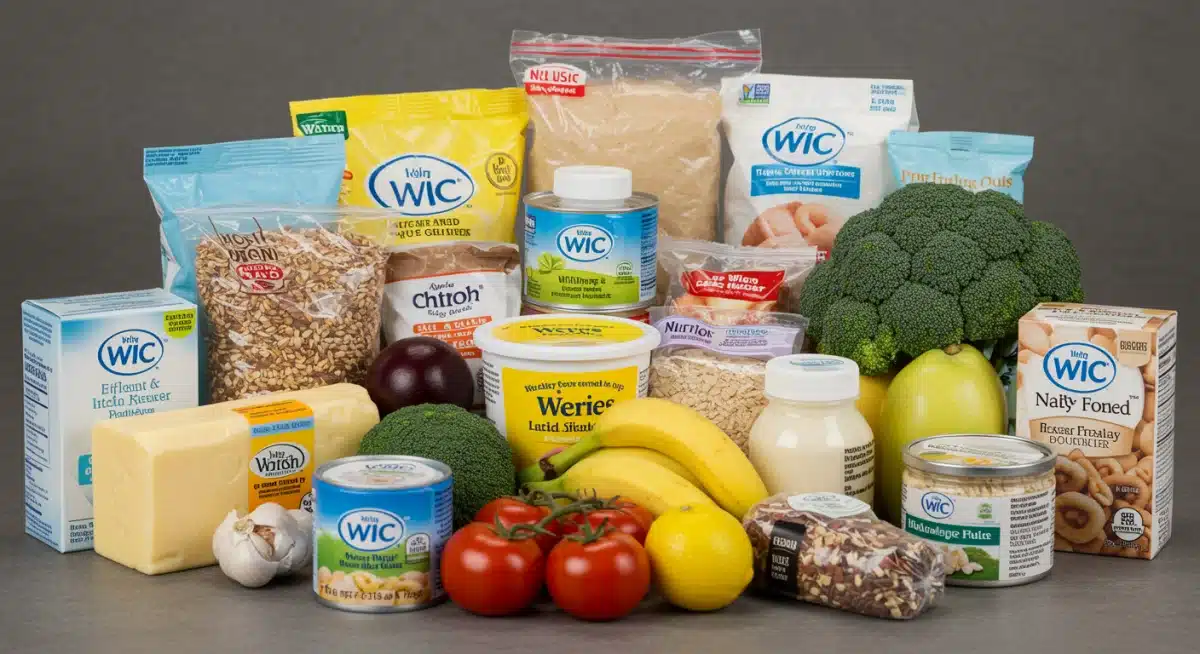
One of the most significant enhancements expected for WIC benefits 2026 is a potential increase in the cash value benefit (CVB) for fruits and vegetables. This increase, which has been a focus in recent years, aims to provide participants with greater purchasing power for these essential food groups. Expanded options could include a wider variety of fresh, frozen, and canned fruits and vegetables, encouraging participants to incorporate more diverse and nutrient-rich produce into their diets. This not only addresses specific nutrient deficiencies but also promotes healthy eating habits from an early age.
Whole Grains and Lean Proteins
Expect to see further refinements in the types and amounts of whole grains and lean proteins offered. The WIC benefits 2026 guidelines may include a broader selection of whole-grain breads, cereals, and pasta, reflecting updated dietary recommendations. Similarly, adjustments to the protein component might focus on encouraging lean meat, poultry, fish, and plant-based protein sources, offering more flexibility and catering to diverse dietary preferences and cultural needs. These changes are crucial for providing sustained energy and essential nutrients for growth and development.
Tailored Infant Formula and Breastfeeding Support
WIC has always been a strong proponent of breastfeeding, offering extensive support and resources to nursing mothers. The WIC benefits 2026 guidelines are expected to reinforce this commitment, potentially by enhancing the value of food packages for fully breastfeeding women and increasing access to lactation support services. For infants who are not breastfed, or are partially breastfed, adjustments to the types and quantities of infant formula provided will continue to be based on medical necessity and expert recommendations, ensuring infants receive appropriate nutrition during their critical first year of life.
Addressing Special Dietary Needs
A growing recognition of diverse dietary needs and restrictions means that WIC benefits 2026 may also introduce more flexible options for individuals with allergies, intolerances, or specific cultural dietary requirements. This could involve expanding the list of approved alternative foods, making the program more inclusive and effective for all eligible participants. Such flexibility ensures that every participant can access nutritious foods that fit their individual circumstances without compromising their health or cultural practices.
Eligibility Criteria for WIC Benefits 2026: What to Know
While the core eligibility requirements for WIC benefits 2026 are likely to remain consistent with previous years, it’s always wise to review them as minor adjustments can occur. The program is designed for three main categories of participants:
- Pregnant Women: From confirmation of pregnancy through six weeks postpartum.
- Breastfeeding Women: Up to the infant’s first birthday.
- Non-breastfeeding Postpartum Women: Up to six months postpartum.
- Infants: From birth up to their first birthday.
- Children: From their first birthday up to their fifth birthday.
In addition to falling into one of these categories, applicants must meet specific criteria:
Income Requirements
WIC is a supplemental program for low-income individuals. Eligibility is determined by household income, which must be at or below 185% of the federal poverty level. However, individuals who participate in other assistance programs, such as SNAP (Supplemental Nutrition Assistance Program), Medicaid, or TANF (Temporary Assistance for Needy Families), are typically automatically income-eligible for WIC. This criterion ensures that the program targets those most in need of nutritional assistance.
Nutritional Risk
A unique aspect of WIC is the requirement for participants to be at "nutritional risk." This is determined by a healthcare professional (e.g., a physician, nutritionist, or nurse) during the WIC certification process. Nutritional risk can include:
- Medically-based conditions: Such as anemia, underweight, overweight, history of poor pregnancy outcomes, or chronic diseases affecting nutrient absorption.
- Dietary-based conditions: Such as inadequate dietary patterns, identified through a dietary assessment by a WIC professional.
The nutritional risk assessment is crucial for tailoring the food package and providing appropriate nutritional counseling. The WIC benefits 2026 guidelines will likely continue to emphasize the importance of this assessment for personalized support.
Residency Requirements
Applicants must reside in the state or local agency area where they apply for WIC benefits. While U.S. citizenship is not a requirement, participants must be physically present in the state in which they apply. This ensures that the program serves the communities it is designed to support.
How to Apply for WIC Benefits 2026
The application process for WIC benefits 2026 is expected to remain largely consistent with current procedures, focusing on accessibility and support. Here’s a general overview of the steps involved:
Step 1: Locate Your Local WIC Agency
WIC is administered by state agencies, which then work with local clinics and offices. The first step is to find your nearest WIC clinic. This can usually be done through your state’s health department website or by searching online for "WIC near me." Many states also have toll-free numbers for WIC information.
Step 2: Schedule an Appointment
Once you’ve located your agency, you’ll need to schedule an appointment for certification. During this appointment, WIC staff will determine your eligibility based on income, residency, and nutritional risk. It’s often helpful to call ahead to understand what documents you’ll need to bring.
Step 3: Gather Necessary Documents
To expedite the certification process for WIC benefits 2026, come prepared with the following documentation:
- Proof of Identity: For yourself and any children applying (e.g., driver’s license, birth certificate, state ID).
- Proof of Residency: (e.g., utility bill, lease agreement, mail with your address).
- Proof of Income: (e.g., pay stubs, tax returns, letter from employer, or proof of participation in other assistance programs like SNAP or Medicaid).
- Proof of Pregnancy (if applicable): (e.g., doctor’s note, medical record).
- Child’s Immunization Records (if applicable): Some states require this.
Step 4: Attend the Certification Appointment
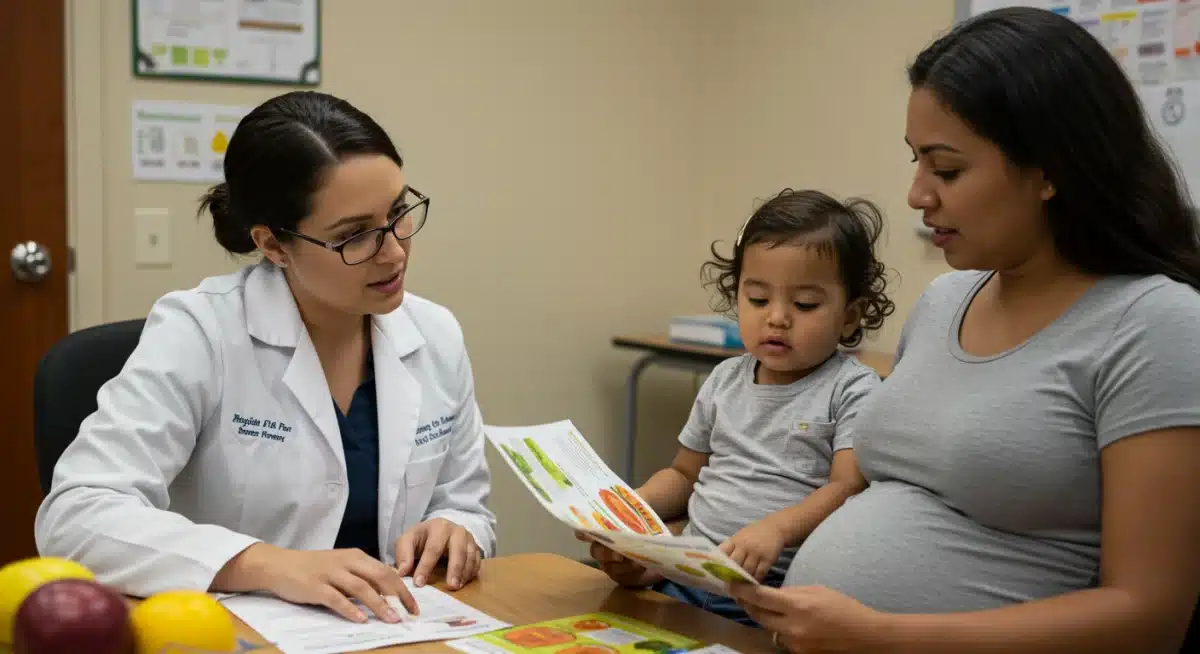
During your appointment, a WIC nutritionist or other qualified health professional will conduct a health and diet assessment to determine nutritional risk. This may include height, weight, and a finger-prick blood test for iron levels. You will also receive personalized nutrition education and counseling, including breastfeeding support if applicable. If eligible, you will be issued an EBT card loaded with your monthly food benefits.
The Impact of WIC Benefits 2026 on Public Health
The continuous refinement of WIC benefits, particularly the anticipated changes in 2026, has profound implications for public health. WIC is not just a food assistance program; it is a comprehensive maternal and child health intervention with a proven track record of improving health outcomes.
Improved Birth Outcomes
Studies consistently show that WIC participation is associated with longer gestations, higher birth weights, and lower rates of infant mortality. By providing nutritious foods and counseling to pregnant women, WIC helps ensure optimal fetal development and reduces the risk of complications during pregnancy and delivery. The WIC benefits 2026 updates, with their focus on enhanced nutritional support, are expected to further strengthen these positive impacts.
Enhanced Child Development and Health
For infants and young children, WIC provides essential nutrients crucial for physical growth and cognitive development. Access to healthy foods during these critical early years can reduce the incidence of anemia, improve immunization rates, and contribute to better cognitive function. The tailored food packages and nutrition education offered through WIC benefits 2026 will play a vital role in setting children on a path toward lifelong health.
Promotion of Healthy Eating Habits
WIC’s emphasis on nutrition education and healthy food choices helps families establish good eating habits early on. By promoting fruits, vegetables, whole grains, and lean proteins, WIC counteracts the prevalence of unhealthy diets and contributes to the prevention of diet-related chronic diseases such as obesity and type 2 diabetes. The expanded fruit and vegetable CVB in WIC benefits 2026 is a direct effort to bolster these healthy eating patterns.
Breastfeeding Support and Longevity
WIC is the largest promoter of breastfeeding in the U.S., offering peer counseling, lactation consultants, and specialized food packages for nursing mothers. Increased breastfeeding rates are linked to numerous health benefits for both mother and child, including reduced risk of infections, chronic diseases, and improved maternal bonding. The continued focus on robust breastfeeding support within WIC benefits 2026 will undoubtedly yield further positive results in this area.
Economic Benefits and Food Security
Beyond individual health, WIC contributes to broader economic benefits by reducing healthcare costs associated with poor nutrition and improving school readiness. By addressing food insecurity, WIC ensures that vulnerable families have consistent access to nutritious food, alleviating financial stress and allowing parents to focus on other essential aspects of family well-being. The anticipated adjustments to WIC benefits 2026 are expected to reinforce the program’s role in strengthening community food security.
Resources and Support for WIC Participants
Navigating the WIC program, especially with new guidelines, can sometimes feel overwhelming. Fortunately, a wealth of resources and support systems are in place to assist participants in making the most of their WIC benefits 2026.
WIC Staff and Nutritionists
Your local WIC clinic is your primary resource. WIC staff, including registered dietitians and nutritionists, are highly knowledgeable and dedicated to helping families. They can provide personalized nutrition counseling, answer questions about food packages, offer breastfeeding support, and connect you with other community resources. Don’t hesitate to reach out to them with any concerns or queries.
Online Portals and Mobile Apps
Many state WIC programs now offer online portals or mobile applications that allow participants to check their EBT balance, find WIC-approved stores, and access nutrition education materials. These digital tools are designed to make accessing and utilizing WIC benefits 2026 more convenient and efficient. Check with your local WIC agency to see what digital resources are available in your area.
Community Partnerships
WIC often partners with other community organizations, food banks, and healthcare providers to offer comprehensive support. These partnerships can provide referrals to additional services such as housing assistance, childcare, parenting classes, and mental health support, creating a holistic network of care for families. Understanding these connections can help participants access a wider range of assistance.
Educational Materials and Workshops
WIC clinics frequently offer educational materials, workshops, and cooking demonstrations focused on healthy eating, meal planning, and budgeting. These resources are invaluable for helping participants make the most of their WIC food benefits and adopt sustainable healthy lifestyle practices. The WIC benefits 2026 guidelines will likely be accompanied by updated educational content to reflect the changes.
Preparing for WIC Benefits 2026: Tips for Families
As the implementation of new WIC benefits 2026 guidelines approaches, proactive steps can help families prepare and ensure a smooth transition.
Stay Informed
Regularly check updates from your local WIC agency or state health department. They will be the primary source of information regarding specific changes to food packages, eligibility, and application procedures. Subscribing to newsletters or following their social media accounts can help you stay informed.
Utilize Current Benefits Fully
Continue to maximize your current WIC benefits. Use all your food benefits each month and take advantage of the nutrition education and support services offered by your clinic. This will ensure you are already accustomed to healthy food choices and program processes when the new guidelines for WIC benefits 2026 come into effect.
Ask Questions
If you have any questions about the upcoming changes or how they might affect your family, don’t hesitate to contact your WIC clinic. The staff is there to help and can provide clarity on any new rules or food options.
Advocate for WIC
Understanding and supporting WIC’s mission is crucial. The program’s continued success and ability to adapt, as seen with the WIC benefits 2026 updates, often depend on public and political support. Sharing your positive experiences with WIC can help ensure its longevity and impact for future generations.
Conclusion: A Brighter Nutritional Future with WIC Benefits 2026
The WIC program has consistently demonstrated its critical role in fostering healthier outcomes for some of the nation’s most vulnerable populations. The anticipated changes and new guidelines for WIC benefits 2026 represent a continued commitment to this mission, leveraging the latest nutritional science and public health best practices to enhance support for expecting mothers, infants, and young children. These updates are poised to make WIC even more effective, accessible, and responsive to the diverse needs of families across the United States.
By expanding access to nutritious foods, strengthening breastfeeding support, and providing invaluable nutrition education, WIC benefits 2026 will undoubtedly contribute to improved birth outcomes, healthier child development, and the establishment of lifelong healthy eating habits. For eligible families, staying informed about these changes and actively engaging with their local WIC agencies will be key to maximizing the advantages offered by the program.
Ultimately, WIC is more than just a food assistance program; it is an investment in the foundational health and well-being of future generations. The evolution of WIC benefits 2026 underscores our collective commitment to ensuring that every child has the opportunity to thrive, starting with optimal nutrition from the earliest stages of life. As we look forward to these enhancements, the promise of a healthier, more food-secure future for countless families becomes ever more tangible.

 Maximize 2026 Social Security: Deadlines, Payments & Strategies
  Navigating New SSA Rules for Disability Benefits
  New Federal Benefits: 3 Key Changes for Your Household Budget