
WIC Program Enhancements 2026: Boosting Nutritional Support for Families
Anúncios
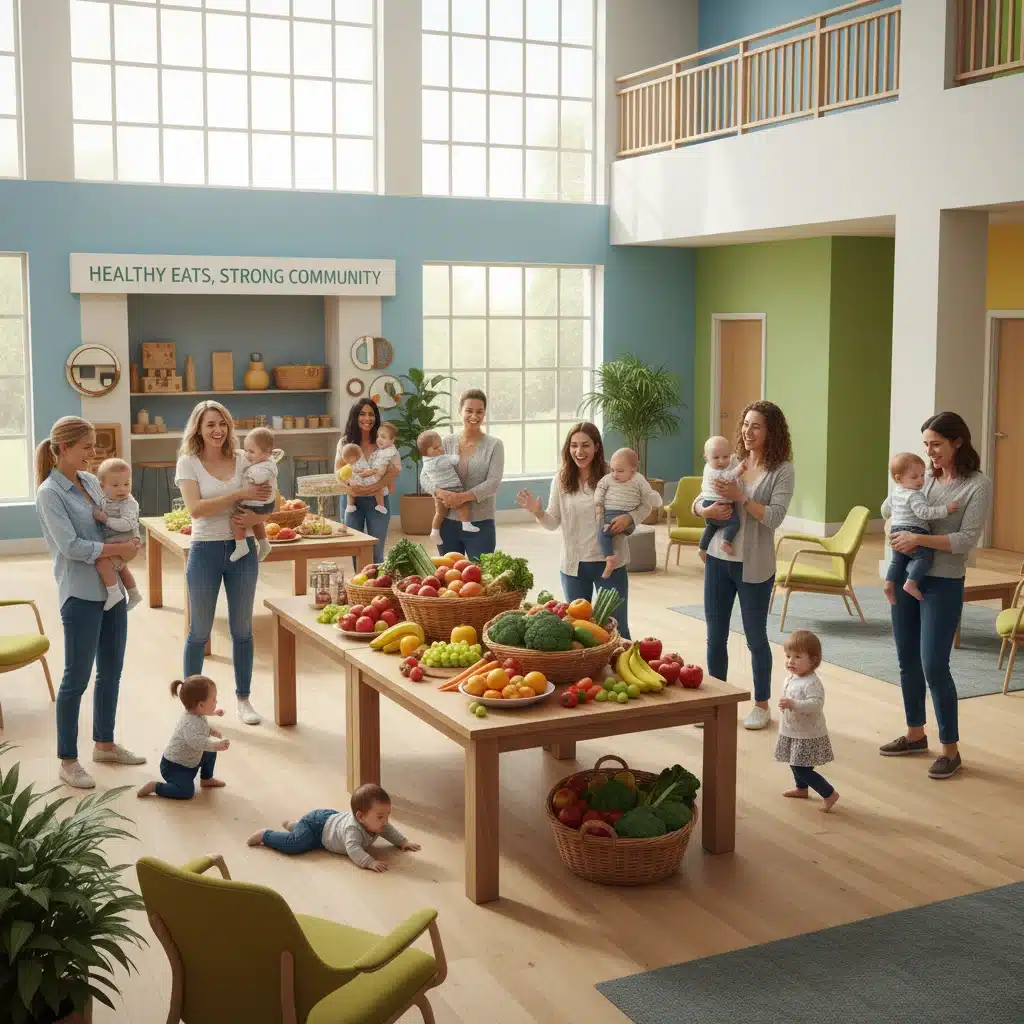
The Special Supplemental Nutrition Program for Women, Infants, and Children, widely known as WIC, stands as a cornerstone of public health in the United States. For decades, WIC has been instrumental in safeguarding the health of low-income pregnant women, new mothers, infants, and young children up to age five who are at nutritional risk. As we look ahead to 2026, significant WIC Program enhancements are on the horizon, promising to expand access, improve nutritional outcomes, and further strengthen the safety net for millions of American families. These enhancements represent a critical step forward in addressing food insecurity and promoting long-term health, directly impacting over 6 million individuals who rely on WIC’s vital support.
The core mission of WIC has always been to provide nutritious foods, information on healthy eating, and referrals to healthcare and other social services. The upcoming changes aim to refine and bolster these offerings, ensuring that the program remains responsive to the evolving needs of its participants. Understanding these changes is crucial for current and prospective beneficiaries, as well as for the healthcare providers and community organizations that work tirelessly to support these families.
This comprehensive guide will delve into the specifics of the 2026 WIC Program enhancements, exploring what they entail, who will benefit, and how they will be implemented. We will examine the expanded food packages, enhanced breastfeeding support, technological advancements, and improved access points that are set to transform the WIC experience. By providing detailed insights, we aim to empower families to navigate these changes effectively and maximize the benefits available to them.
Anúncios
Understanding the Foundation: What is WIC and Why is it Important?
Before diving into the enhancements, it’s essential to grasp the fundamental role WIC plays in public health. WIC is a federal assistance program of the Food and Nutrition Service (FNS) of the United States Department of Agriculture (USDA). It provides federal grants to states for supplemental foods, healthcare referrals, and nutrition education for low-income pregnant, breastfeeding, and non-breastfeeding postpartum women, and to infants and children up to age five who are found to be at nutritional risk.
Anúncios
The Pillars of WIC’s Success:
- Supplemental Foods: WIC provides specific nutritious foods designed to supplement participants’ diets, addressing common nutritional deficiencies. These foods include fruits, vegetables, whole grains, milk, cheese, eggs, juice, and infant formula.
- Nutrition Education: A vital component of WIC, nutrition education empowers participants with knowledge about healthy eating habits, meal planning, and food preparation, fostering long-term dietary improvements.
- Breastfeeding Support: WIC actively promotes and supports breastfeeding through education, counseling, and peer support, recognizing its profound benefits for both mothers and infants.
- Healthcare Referrals: WIC acts as a gateway to comprehensive healthcare and social services, connecting families with essential resources such as immunizations, prenatal care, and child development programs.
The importance of WIC cannot be overstated. Studies consistently show that participation in WIC leads to healthier pregnancies, fewer premature births, lower infant mortality rates, and improved dietary intake for children. It’s an investment in the earliest stages of life, laying the groundwork for healthier futures and reducing long-term healthcare costs. The upcoming WIC Program enhancements are designed to amplify these positive impacts, reaching more families and providing even more targeted support.
The Driving Force Behind the 2026 WIC Program Enhancements
The decision to implement significant changes to the WIC program in 2026 stems from a combination of factors, including evolving nutritional science, feedback from participants and program administrators, and a commitment to addressing persistent disparities in health and nutrition. The USDA, in collaboration with health experts and community stakeholders, regularly reviews the WIC food packages and program guidelines to ensure they align with the latest dietary recommendations and effectively meet the needs of the target population.
Key Motivations for the Enhancements:
- Aligning with Dietary Guidelines: The enhancements are largely driven by a desire to better align WIC food packages with the most recent Dietary Guidelines for Americans, emphasizing nutrient-dense foods and reducing consumption of foods high in added sugars, saturated fat, and sodium.
- Addressing Food Insecurity: Despite WIC’s success, food insecurity remains a challenge for many families. The expanded benefits aim to provide a more robust buffer against hunger and ensure consistent access to healthy foods.
- Promoting Equity and Access: Efforts are being made to reduce barriers to participation and ensure that all eligible families, particularly those in underserved communities, can easily access WIC services.
- Leveraging Technology: The integration of new technologies will streamline program administration, improve participant experience, and enhance the efficiency of benefit delivery.
These motivations underscore a proactive approach to public health, recognizing that continuous improvement is essential for a program as vital as WIC. The 2026 WIC Program enhancements reflect a deep understanding of the challenges faced by low-income families and a commitment to providing the best possible support.
Decoding the Changes: What’s New in the 2026 WIC Program?
The forthcoming WIC Program enhancements encompass several key areas, each designed to optimize the program’s effectiveness and reach. From expanded food options to improved support services, these changes promise a more comprehensive and participant-friendly experience.
1. Expanded and Diversified Food Packages
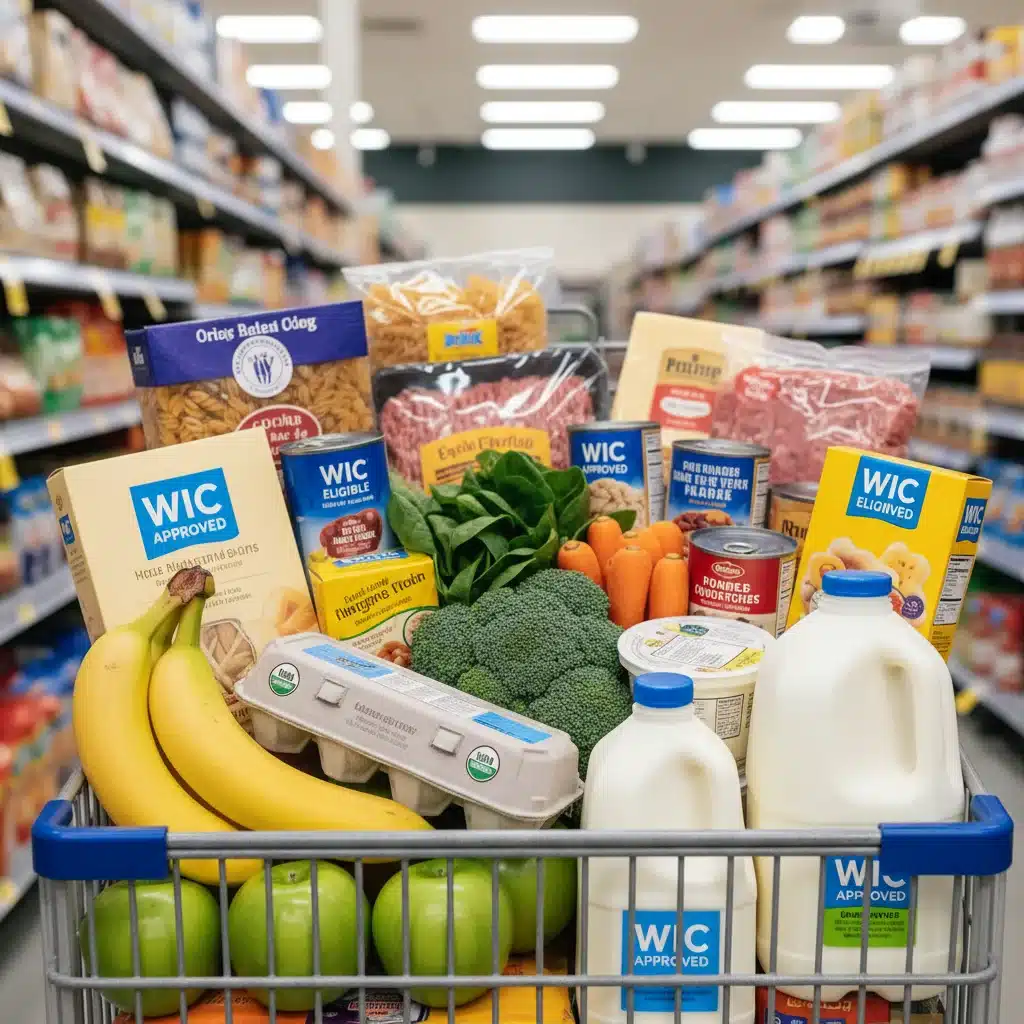
Perhaps the most anticipated change involves a significant overhaul of the WIC food packages. The aim is to increase the variety and quantity of healthy foods available to participants, making it easier to meet nutritional needs and adhere to dietary guidelines.
- Increased Fruit and Vegetable Vouchers: A major highlight is the substantial increase in the cash value benefit (CVB) for fruits and vegetables. This means families will have more purchasing power to buy a wider array of fresh, frozen, and canned produce, encouraging greater consumption of these essential foods. This particular enhancement is a direct response to research indicating that increasing access to fruits and vegetables can significantly improve dietary quality.
- More Whole Grain Options: The updated food packages will offer greater flexibility and variety in whole grain choices, moving beyond traditional options to include a broader range of whole-grain breads, pasta, tortillas, and other products. This encourages participants to incorporate more fiber and nutrient-rich grains into their diets.
- Diverse Protein Sources: While lean meats and poultry remain staples, the enhancements will introduce more diverse protein options, potentially including additional plant-based proteins like legumes and nuts for certain categories, catering to varying dietary preferences and cultural needs.
- Flexibility in Dairy and Alternatives: The program will explore greater flexibility in dairy options, including a wider selection of milk types and potentially more plant-based milk alternatives for those with lactose intolerance or specific dietary requirements, provided they meet nutritional standards.
- Reduced Sugary Beverages and Foods: Consistent with public health goals, there will be a continued emphasis on reducing the availability of sugary beverages and foods high in unhealthy fats within the WIC food packages, steering participants towards healthier choices.
These adjustments to the food packages are not merely about quantity; they are about quality and choice. By providing a more diverse and nutritionally robust selection of foods, the WIC Program enhancements aim to foster healthier eating habits that can last a lifetime.
2. Enhanced Breastfeeding Support and Resources
Recognizing the unparalleled benefits of breastfeeding for infant and maternal health, the 2026 WIC Program enhancements will significantly bolster breastfeeding support services.
- Expanded Peer Counseling Programs: WIC’s peer counseling programs, which connect new mothers with experienced breastfeeding mothers, will receive increased funding and resources. This expansion aims to provide more localized, culturally sensitive, and accessible support to breastfeeding participants.
- Greater Access to Lactation Consultants: The program will facilitate broader access to certified lactation consultants, ensuring that mothers facing breastfeeding challenges can receive expert guidance and personalized support.
- Enhanced Breast Pump Provisions: WIC will continue to provide breast pumps, with potential updates to the types and availability of pumps to better meet individual needs, supporting mothers returning to work or school.
- Comprehensive Education and Materials: Updated and expanded educational materials will be provided, covering everything from the benefits of breastfeeding to practical tips for overcoming common challenges, empowering mothers with the knowledge they need.
These enhancements underscore WIC’s commitment to supporting breastfeeding as the optimal feeding method for infants, acknowledging that successful breastfeeding often requires ongoing support and resources.
3. Technological Advancements for Easier Access and Administration
The digital age offers numerous opportunities to streamline program operations and improve participant experience. The 2026 WIC Program enhancements will leverage technology to make WIC more accessible and efficient.
- Modernized WIC Card Systems: The transition to electronic benefit transfer (EBT) cards has already revolutionized WIC shopping. Further enhancements may include improved mobile applications for checking balances, finding WIC-approved stores, and accessing nutrition education materials.
- Online Appointment Scheduling and Telehealth: To reduce barriers to participation, many WIC agencies will expand online appointment scheduling options and increase the availability of telehealth services for nutrition education and counseling. This is particularly beneficial for families in rural areas or those with transportation challenges.
- Digital Resource Hubs: Centralized online platforms will provide participants with easy access to a wealth of nutrition information, healthy recipes, local WIC clinic details, and referrals to other community services.
- Streamlined Certification Processes: Efforts will be made to simplify and standardize the WIC certification and re-certification processes, potentially reducing paperwork and wait times, making it easier for eligible families to enroll and stay enrolled.
These technological advancements are crucial for ensuring that WIC remains relevant and responsive in an increasingly digital world, ultimately making the program more user-friendly and efficient for both participants and administrators.
4. Improved Outreach and Community Engagement
Reaching eligible families who are not yet participating in WIC is a continuous challenge. The 2026 WIC Program enhancements will focus on strengthening outreach efforts and fostering deeper community engagement.
- Targeted Outreach Campaigns: WIC agencies will implement more targeted outreach campaigns, utilizing data to identify and reach underserved populations, including diverse ethnic groups, rural communities, and transient populations.
- Partnerships with Community Organizations: Strengthening collaborations with local food banks, healthcare providers, schools, and social service agencies will create a more integrated network of support, ensuring that families are aware of and can easily access WIC services.
- Culturally Competent Services: Emphasizing culturally and linguistically appropriate services will ensure that WIC staff can effectively communicate with and support diverse participant populations, respecting their unique needs and traditions.
- Participant Feedback Mechanisms: Establishing robust mechanisms for collecting and incorporating participant feedback will be key to continuously improving the program and ensuring it remains tailored to the needs of the families it serves.
By enhancing outreach and community engagement, the WIC Program aims to close gaps in participation, ensuring that all eligible women, infants, and children receive the nutritional support they deserve.
Who Will Benefit from the WIC Program Enhancements?
The 2026 WIC Program enhancements are designed to have a broad and profound impact on the program’s target population. Over 6 million women, infants, and children currently benefit from WIC, and these changes are set to improve their experiences and outcomes significantly.
Pregnant Women:
Expectant mothers will benefit from enhanced nutrition education tailored to pregnancy, increased access to nutrient-dense foods crucial for fetal development, and stronger connections to prenatal care services. Healthier pregnancies can lead to better birth outcomes and reduced complications.
Breastfeeding Mothers:
Mothers who choose to breastfeed will find an even more robust support system, including more accessible peer counseling, expert lactation advice, and resources for maintaining breastfeeding while balancing work or other responsibilities. This support is vital for reaching breastfeeding goals and ensuring optimal infant nutrition.
Postpartum Women:
New mothers, whether breastfeeding or not, will continue to receive nutritional support and education during the critical postpartum period, helping them recover from childbirth and maintain their health while caring for a new infant. The expanded food packages will assist in meeting their increased caloric and nutrient needs.
Infants:
Infants will benefit from improved maternal nutrition during pregnancy and breastfeeding, as well as from nutritionally appropriate supplemental foods when they begin solids. The focus on healthy food choices from birth lays a strong foundation for lifelong health.
Children Up to Age Five:
Young children will have access to a wider variety of healthy foods, promoting proper growth and development during a critical period. The emphasis on fruits, vegetables, and whole grains will help establish healthy eating habits early in life, reducing the risk of childhood obesity and related health issues. The WIC Program enhancements are truly an investment in the next generation.
Navigating the Changes: How to Access the Enhanced WIC Benefits
For current WIC participants and those considering applying, understanding how to navigate these upcoming changes is essential. While specific implementation details may vary by state and local agency, the general process for accessing WIC benefits will remain similar, with added improvements.
For Current WIC Participants:
- Stay Informed: WIC agencies will communicate updates directly to participants through mail, email, or during clinic visits. Pay attention to any notices regarding changes to food packages or program rules.
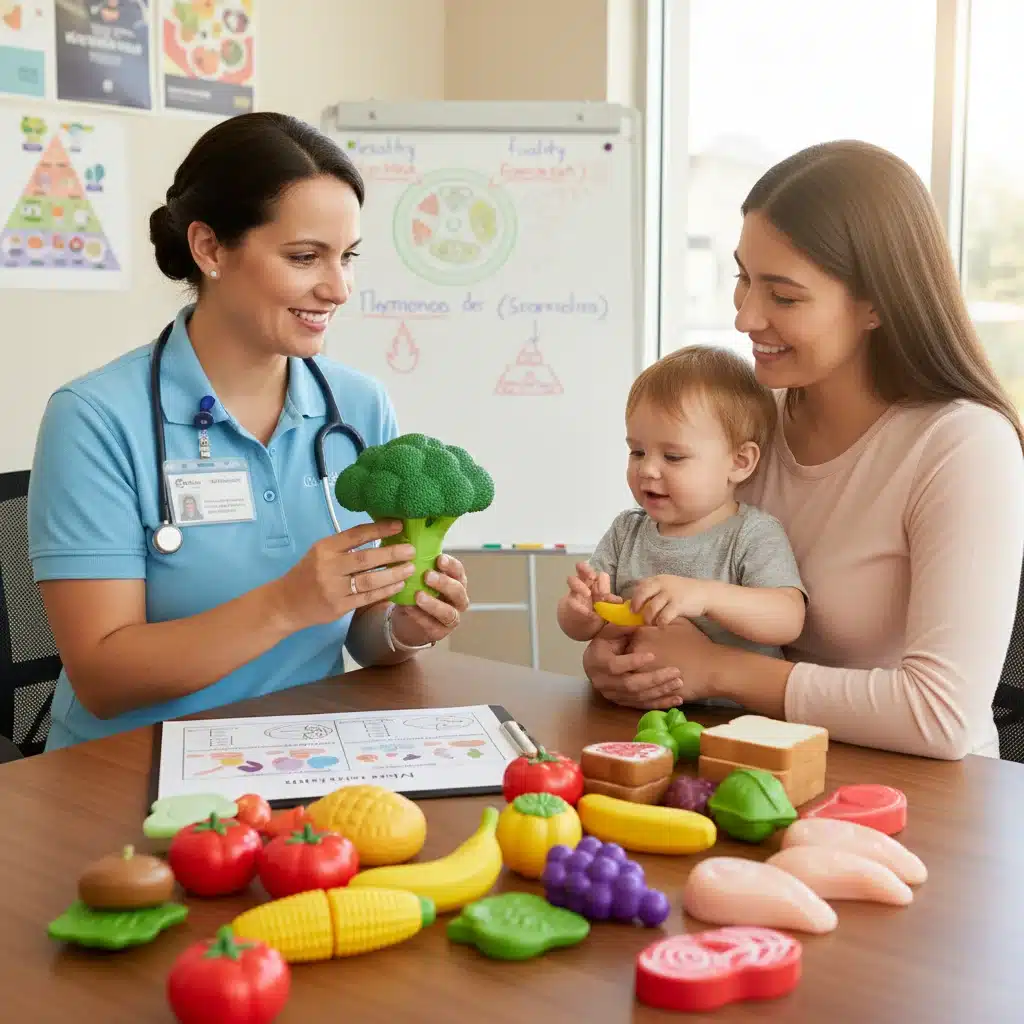
- Attend Nutrition Education Sessions: These sessions are an excellent opportunity to learn about the new food options, understand how to best utilize the increased fruit and vegetable benefits, and get personalized advice.
- Utilize Digital Tools: If your state offers a WIC mobile app or online portal, make sure to use it for updates, balance checks, and accessing resources.
- Ask Questions: Don’t hesitate to ask your WIC clinic staff any questions you have about the enhancements. They are there to help you understand and maximize your benefits.
For New Applicants:
If you believe you or your family might be eligible for WIC, now is an excellent time to apply, especially with the upcoming WIC Program enhancements making the program even more beneficial.
- Check Eligibility: WIC eligibility is based on income (typically at or below 185% of the federal poverty level) and nutritional risk. You can find specific income guidelines for your state on your state’s WIC website or by contacting your local WIC agency.
- Gather Required Documents: You will typically need proof of identity, residency, income, and possibly a medical referral or health assessment.
- Locate Your Local WIC Agency: Use the USDA WIC website or a simple online search to find the nearest WIC clinic or office in your area.
- Schedule an Appointment: Contact your local WIC agency to schedule an appointment for certification. This may involve an in-person visit, a phone interview, or a telehealth consultation.
- Complete the Certification Process: During your appointment, WIC staff will assess your nutritional risk, provide nutrition education, and issue your WIC benefits.
The WIC Program enhancements are designed to make this process smoother and the benefits more impactful, ensuring that families can easily access the support they need.
The Long-Term Vision: Impact of the WIC Program Enhancements on Public Health
The 2026 WIC Program enhancements are not just about immediate relief; they represent a strategic investment in the long-term health and well-being of communities. By strengthening the foundational elements of the program, these changes are expected to yield significant public health dividends.
Reduced Health Disparities:
WIC primarily serves vulnerable populations who often face significant health disparities. By providing consistent access to nutritious foods and health education, the enhancements can help narrow these gaps, ensuring that all children have a better chance at a healthy start in life, regardless of their socioeconomic background.
Improved Dietary Habits:
The expanded food packages and enhanced nutrition education are designed to instill healthier eating habits from an early age. This can lead to a reduction in diet-related chronic diseases later in life, such as obesity, type 2 diabetes, and heart disease.
Economic Benefits:
Beyond health outcomes, WIC also provides significant economic benefits. Healthier children are more likely to perform better in school, leading to greater educational attainment and future economic productivity. Additionally, WIC supports local economies by directing participants to purchase WIC-approved foods from authorized vendors.
Stronger Families and Communities:
By alleviating the burden of food insecurity and providing comprehensive support, WIC empowers families to thrive. This creates stronger, more resilient communities where children have the opportunity to reach their full potential. The WIC Program enhancements are a testament to the belief that investing in early nutrition is one of the most effective ways to build a healthier society.
Conclusion: A Brighter Future with Enhanced WIC Support
The 2026 WIC Program enhancements mark an exciting chapter in the program’s history. By expanding food options, fortifying breastfeeding support, embracing technological innovations, and strengthening community outreach, WIC is poised to deliver even greater benefits to the millions of women, infants, and children it serves. These proactive changes reflect a deep commitment to public health, recognizing that providing vital nutritional support during critical developmental stages is paramount for fostering healthier individuals and stronger communities.
As these enhancements roll out, it is crucial for eligible families to stay informed, engage with their local WIC agencies, and fully utilize the expanded resources available. The impact of these WIC Program enhancements will resonate for generations, helping to build a future where every child has the opportunity to thrive, free from the burdens of nutritional insecurity. WIC continues to be a beacon of hope and health, and with these upcoming improvements, its light will shine even brighter for those who need it most.
