
Navigating SEC Crypto Regulations: A Q3 U.S. Investor Guide
Anúncios
Decoding the New SEC Regulations on Cryptocurrency Investments: What U.S. Investors Need to Know by Q3
The landscape of cryptocurrency investment is perpetually evolving, marked by innovation, volatility, and, increasingly, regulatory scrutiny. For U.S. investors, the third quarter of the year (Q3) brings with it a critical period of adjustment and understanding as new SEC crypto regulations begin to take firmer shape. The Securities and Exchange Commission (SEC) has been vocal about its intentions to bring digital assets under a more defined regulatory umbrella, aiming to protect investors, ensure market integrity, and prevent illicit activities. This comprehensive guide will delve into the specifics of these anticipated regulations, providing U.S. investors with the crucial knowledge needed to navigate this changing environment effectively.
Anúncios
The digital asset space, once seen as a wild west of finance, is gradually being tamed by traditional financial oversight bodies. The SEC, led by Chairman Gary Gensler, views many cryptocurrencies as securities and, as such, believes they fall within its jurisdiction. This perspective has profound implications for how digital assets are offered, traded, and held by investors. The shift from a largely unregulated market to one with clear guidelines is not just a matter of compliance; it’s a fundamental reshaping of investment strategies and risk assessment for anyone involved in cryptocurrency.
Understanding these new SEC crypto regulations is paramount. Ignorance is not bliss, especially when it comes to financial compliance. Investors who fail to adapt may face significant risks, including legal repercussions, financial penalties, or the loss of investment opportunities. Conversely, those who proactively understand and adapt to the new rules can position themselves advantageously, identifying compliant projects and platforms that offer greater security and stability in the long run. This article aims to be your definitive resource, breaking down complex regulatory jargon into actionable insights for the average U.S. investor.
Anúncios
The Evolving Regulatory Stance: Why Now?
The push for clearer SEC crypto regulations isn’t new, but its urgency has intensified. Several factors contribute to the SEC’s accelerated efforts. Firstly, the sheer growth and mainstream adoption of cryptocurrencies have made them too significant to ignore. What was once a niche interest has become a multi-trillion-dollar market attracting millions of participants, including institutional investors. This scale necessitates a framework to manage systemic risks.
Secondly, a series of high-profile incidents, including significant market crashes, bankruptcies of major crypto firms, and numerous fraud cases, have highlighted the vulnerabilities inherent in an unregulated environment. These events have underscored the need for robust investor protections, transparent disclosures, and accountability mechanisms, all of which are hallmarks of traditional securities regulation.
Finally, the global nature of cryptocurrency markets means that other jurisdictions are also developing their own regulatory frameworks. The U.S. risks falling behind or creating a fragmented regulatory landscape if it doesn’t establish clear guidelines. The SEC’s actions are part of a broader global effort to harmonize financial regulations for digital assets, ensuring a level playing field and preventing regulatory arbitrage.
For U.S. investors, this means a shift towards a more mature and potentially safer market, but one that also demands greater diligence. The ‘wild west’ era is drawing to a close, making way for a more structured environment where compliance and transparency are key. This evolution, while challenging in the short term, is ultimately aimed at fostering sustainable growth and protecting the integrity of the financial system.
Key Areas of Focus for New SEC Crypto Regulations
The anticipated SEC crypto regulations will likely touch upon several critical aspects of the digital asset ecosystem. Understanding these areas is essential for U.S. investors to assess their current holdings and future investment strategies.
1. Classification of Digital Assets: Securities or Commodities?
This is perhaps the most fundamental question driving SEC’s approach. The SEC generally applies the ‘Howey Test’ to determine if an asset qualifies as an investment contract, and thus a security. If a digital asset is deemed a security, it falls under the full purview of federal securities laws, requiring registration, disclosures, and adherence to specific trading rules. Chairman Gensler has repeatedly stated that he views most cryptocurrencies, excluding Bitcoin, as unregistered securities.
For investors, this classification has direct implications. If an asset you hold is reclassified or formally declared a security, the platform where you bought it might need to be registered as an exchange or broker-dealer. Furthermore, the project itself would need to comply with SEC registration and disclosure requirements, which many decentralized projects are not currently set up to do. This could lead to delistings from certain platforms or even legal challenges for projects that fail to comply.
2. Exchange and Platform Registration
A significant focus of the SEC crypto regulations is on cryptocurrency exchanges and trading platforms. The SEC asserts that platforms facilitating the trading of digital assets deemed securities must register as national securities exchanges, alternative trading systems (ATS), or broker-dealers. This would impose stringent requirements related to market surveillance, customer protection, capital adequacy, and cybersecurity.
For U.S. investors, this means that the platforms they use could undergo significant changes. Unregistered platforms might face enforcement actions, potentially leading to service disruptions or even closures for U.S. users. Conversely, registered platforms would offer enhanced protections, including segregation of customer funds, robust dispute resolution mechanisms, and greater transparency in trading practices. It’s crucial for investors to assess whether their preferred platforms are taking steps towards compliance or risk operating in a grey area.
3. Disclosure Requirements for Crypto Projects
Just like traditional companies offering securities, digital asset projects deemed securities will likely face enhanced disclosure requirements. This means providing investors with comprehensive information about the project’s financials, management, technology, risks, and use of funds. The goal is to ensure that investors have all the necessary information to make informed decisions, similar to what’s available for publicly traded stocks.
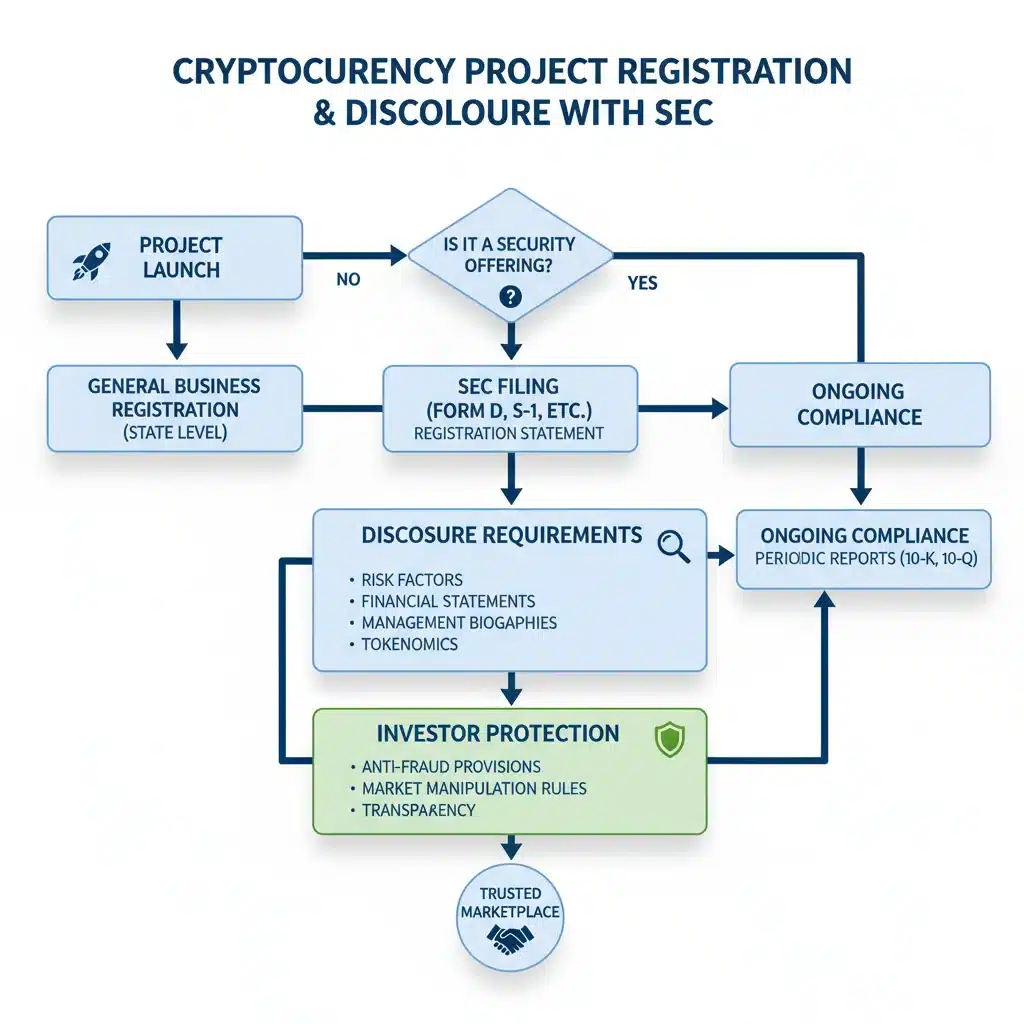
For investors, this is a positive development, as it reduces information asymmetry and makes it harder for fraudulent or poorly managed projects to thrive. However, it also means investors need to be diligent in reviewing these disclosures. Understanding whitepapers, tokenomics, and team backgrounds will become even more critical. Projects that resist these disclosures or provide insufficient information could be viewed with skepticism and potentially face regulatory action.
4. Custody of Digital Assets
The SEC is also scrutinizing how digital assets are held and secured, particularly by third-party custodians. New rules might require qualified custodians to hold client assets, similar to regulations for traditional securities. This aims to protect investor funds from theft, loss, or mismanagement by custodial entities.
For investors using custodial services (e.g., through exchanges or specialized crypto custodians), these regulations could lead to increased security and clearer responsibilities for asset protection. However, it might also entail higher fees or limitations on how assets can be accessed or used (e.g., for staking or DeFi protocols). Self-custody, while offering maximum control, also places the full burden of security on the individual investor, a factor that becomes even more critical in a regulated environment.
5. Anti-Money Laundering (AML) and Know Your Customer (KYC)
While not exclusively an SEC domain, the push for stronger AML/KYC practices is a cross-agency effort that the SEC fully supports. Financial institutions, including crypto firms, are expected to implement robust procedures to identify their customers and monitor transactions for suspicious activity. This is crucial for combating illicit finance and enhancing the overall integrity of the financial system.
For U.S. investors, this means continued and potentially stricter verification processes when interacting with regulated crypto platforms. While sometimes perceived as an inconvenience, these measures are vital for preventing fraud and ensuring that the legitimate crypto economy is not tainted by criminal activities. Compliance here is not just about avoiding penalties; it’s about contributing to a safer and more reputable investment environment.
Impact on U.S. Investors by Q3
As Q3 progresses, U.S. investors should be prepared for several key impacts stemming from the new SEC crypto regulations.
Portfolio Re-evaluation and Risk Assessment
Investors should critically re-evaluate their cryptocurrency portfolios. Assets that are likely to be classified as securities and are held on non-compliant platforms may carry increased risk. This is an opportune time to research the regulatory posture of the projects you’ve invested in and the platforms you use. Consider diversifying into assets with clearer regulatory pathways or those deemed commodities (like Bitcoin) if you are particularly risk-averse to regulatory uncertainty.
Increased Due Diligence
The era of speculative, uninformed crypto investing is rapidly drawing to a close. New regulations demand greater due diligence from investors. Before investing in any digital asset, thoroughly research its fundamentals, team, technology, and, crucially, its potential classification under SEC rules. Pay attention to any public statements or filings by the project regarding its regulatory compliance.
Changes in Trading Platform Access
You might experience changes in the availability of certain cryptocurrencies or services on your preferred trading platforms. Some platforms may restrict access to specific tokens for U.S. users if they are deemed unregistered securities. It’s advisable to stay informed about announcements from your exchanges and consider consolidating assets on platforms that are actively working towards SEC compliance or are already registered.

Potential for Market Volatility
Regulatory announcements and enforcement actions can trigger market volatility. As the SEC clarifies its stance and potentially takes action against non-compliant entities, expect periods of price fluctuations. Long-term investors should view these as part of the market’s maturation process, while short-term traders need to exercise extreme caution and manage risk effectively.
Opportunities in Compliant Innovation
While the initial phase of regulation might seem restrictive, it also creates opportunities. Projects and platforms that embrace and comply with the new SEC crypto regulations are likely to attract more institutional capital and mainstream adoption, leading to greater stability and growth. U.S. investors who identify and support these compliant innovations can benefit from the long-term maturation of the digital asset market.
Navigating the Regulatory Maze: Practical Steps for U.S. Investors
Given the impending changes, what concrete steps can U.S. investors take to prepare for and thrive under the new SEC crypto regulations?
1. Stay Informed Through Official Channels
Do not rely solely on social media or unofficial news sources. Regularly check the official SEC website for press releases, enforcement actions, and guidance documents. Follow reputable financial news outlets that cover regulatory developments in the crypto space. Understanding the nuances directly from the source is invaluable.
2. Consult with Financial and Legal Professionals
For significant holdings or complex investment strategies, consider seeking advice from a financial advisor who specializes in digital assets and is knowledgeable about regulatory compliance. A legal professional can also provide tailored advice on your specific situation, especially concerning tax implications and potential legal risks.
3. Evaluate Your Exchange Relationships
Research the regulatory status of the cryptocurrency exchanges and platforms you use. Are they registered with the SEC (if applicable for their operations), or are they actively pursuing registration? Prioritize platforms that demonstrate a clear commitment to compliance and investor protection. Be wary of platforms that operate without transparency regarding their regulatory standing.
4. Understand the Projects You Invest In
Go beyond hype. Deeply understand the technology, use case, and, critically, the legal and regulatory strategy of each crypto project in your portfolio. Does the project have a clear path to compliance if its token is deemed a security? What are their disclosure practices? Projects that proactively address regulatory concerns are generally a safer bet.
5. Consider Self-Custody (with caution)
While regulated custodians offer certain protections, some investors may opt for self-custody (holding their own private keys) to maintain full control over their assets. If you choose this path, ensure you understand the risks involved and implement robust security practices (hardware wallets, secure backups, strong passwords). Remember, with self-custody, you are solely responsible for the security of your funds.
6. Participate in Public Comment Periods
The SEC often opens public comment periods for proposed rules. While individual comments may seem small, collective input from the investing public can influence regulatory outcomes. Engaging in these processes, if you feel strongly about certain aspects of regulation, is a way to make your voice heard.
The Future of Crypto Investment Under SEC Oversight
The new SEC crypto regulations are not designed to stifle innovation but rather to integrate digital assets into the existing financial regulatory framework. While there may be initial friction and adjustments, the long-term vision is likely one where cryptocurrencies can thrive within a secure, transparent, and investor-protective environment. This maturation process is essential for cryptocurrencies to achieve their full potential as a legitimate asset class.
For U.S. investors, this means a shift from a frontier market to a more institutionalized one. The speculative fervor might be tempered, but it will be replaced by greater stability, enhanced trust, and potentially broader adoption by mainstream financial institutions. The regulatory clarity, while sometimes burdensome, ultimately provides a clearer roadmap for both innovators and investors.
The impact by Q3 will likely be the initial ripple effects: increased discussions, some delistings, and a greater emphasis on compliance from exchanges and projects. As the year progresses, and these regulations solidify, we can expect a more structured and perhaps less volatile crypto market for U.S. participants. This is an exciting, albeit challenging, time to be involved in digital assets. By staying informed and proactive, U.S. investors can successfully navigate these changes and position themselves for future growth in a more regulated crypto ecosystem.
Ultimately, the goal of the SEC crypto regulations is to foster an environment where capital formation can occur efficiently, while simultaneously protecting investors from fraud and manipulation. This balance is crucial for the long-term health and credibility of the digital asset market. U.S. investors who embrace this new reality will be best prepared to capitalize on the opportunities that arise from a more regulated and mature cryptocurrency landscape.
