

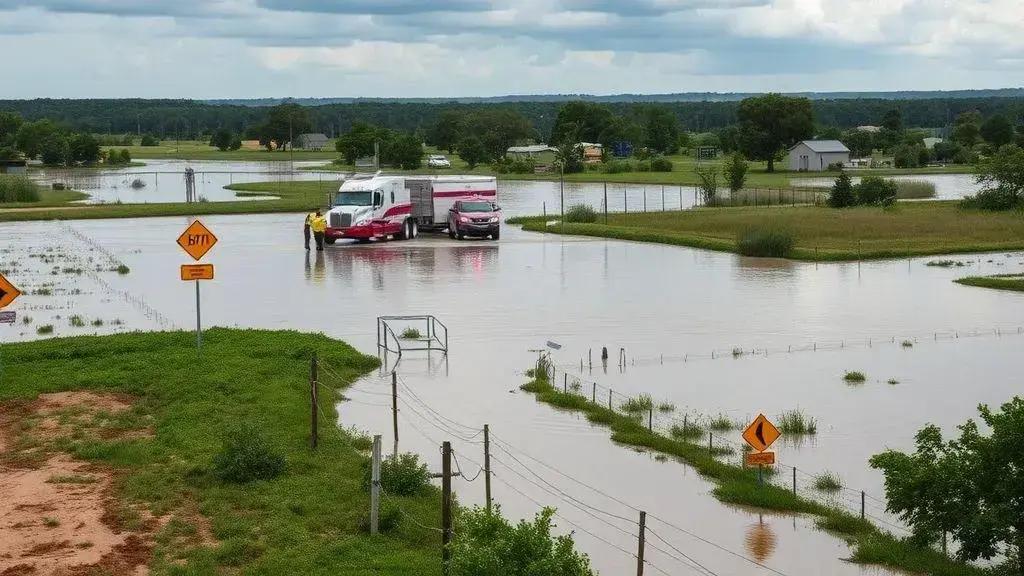
Texas flood emergency alerts provide critical updates and guidance for residents, ensuring safety during floods through timely notifications, preparation tips, and recovery resources.
Texas flood emergency alert systems play a vital role in keeping residents safe. Have you ever wondered how these alerts work? Let’s dive into the essentials of flood preparedness and response.
Understanding the Texas flood emergency system
Understanding how the Texas flood emergency system works is crucial for residents. This system is designed to alert people about potential flooding dangers, helping them stay safe. It’s vital to know how these alerts operate and what actions to take.
The Texas flood emergency system uses a range of methods to communicate warnings. Key components of this system include local television and radio broadcasts, social media updates, and the Emergency Alert System (EAS). Each of these methods plays a vital role in delivering timely information.
Components of the Texas flood emergency system
When a flood watch or warning is issued, a coordinated effort activates to inform the public. Understanding these components is essential:
- Wireless Emergency Alerts (WEA): These alerts go directly to mobile devices in the affected areas.
- National Weather Service (NWS): Provides official alerts via various media, including the internet.
- Local emergency management agencies: These organizations are responsible for issuing alerts and providing updates.
It’s important to pay attention to these alerts when they are issued. The timeliness of information can make a significant difference in a flood’s impact. Additionally, understanding the levels of alerts is crucial. A flood watch means conditions are right for flooding, while a flood warning indicates that flooding is occurring.
Staying informed during a flood event
During a flood event, staying informed is key. Here are some strategies to ensure you receive updates:
- Sign up for local alerts: Many cities offer notification systems via text or email.
- Follow local news stations on social media: They often provide updates faster than traditional platforms.
- Monitor weather apps: Many apps offer real-time notifications and updates specific to your location.
The effectiveness of the Texas flood emergency alert system relies on community preparedness and knowledge. Understanding these alerts means being part of the solution and ensuring your safety and the safety of others.
How to prepare for potential flooding in Texas
Preparing for potential flooding in Texas is essential for ensuring safety. When you know you could face a flood, taking the right steps can make all the difference.
Start by creating an emergency plan for your family. Make sure everyone knows what to do when a flood alert is issued. This includes where to meet, who to contact, and how to evacuate quickly. A well-thought-out plan helps reduce panic when emergencies arise.
Building a flood preparedness kit
One key element of preparation is having a flood preparedness kit ready:
- Non-perishable food: Stock at least three days’ worth of food that doesn’t require cooking.
- Water: Store at least one gallon of water per person, per day, for three days.
- First aid supplies: Include band-aids, antiseptics, and any necessary medications.
- Flashlights and batteries: Ensure you have enough to last at least a few days without power.
Consider your home’s location. If you live in a flood-prone area, you should elevate important appliances such as your water heater and electrical panel. This step is crucial to prevent damage during a flood.
Staying informed about weather updates
Staying informed can help you react quickly and effectively. Here are some ways to get the latest updates:
- Weather apps: Download reliable weather apps to get alerts in real-time.
- Local news: Tune into local news stations for up-to-date information.
- Social media: Follow official accounts for alerts and news on potential flooding.
Check your home insurance policy to ensure it covers flood damage. Many standard policies do not include flood coverage, so it may be necessary to obtain additional insurance. Reviewing the policy can provide peace of mind and financial protection.
Steps to take during a flood emergency

When a flood emergency occurs, knowing the right steps to take is essential for your safety. During such events, quick action can save lives and reduce damage to property.
First, remain calm and listen for important announcements through local news or emergency services. Staying informed will help you understand the severity of the situation and what actions to take next. Do not ignore warnings, as they can be critical in determining your next steps.
Leaving your home safely
If instructed to evacuate, do so immediately. Gather your emergency kit and any essential items. Before you leave, secure your home by turning off utilities like gas and electricity. Don’t forget to lock your doors as you exit.
- Follow established routes: Use main roads to avoid any flood-prone areas.
- Travel with caution: If you encounter water on the road, turn around. Never drive through floodwaters, as they can be deeper than they appear.
- Listen to local authorities: Follow instructions from emergency services for safe evacuation.
Additionally, if you are caught in rising water, finding higher ground is crucial. Move to a secure area, such as the roof or the highest floor of your building. Stay there until help arrives or conditions improve.
Staying connected
As communication can be disrupted during a flood, keeping connected is vital. Reach out to family members and let them know your situation. Use text messaging, as it’s often more reliable than calls during emergencies.
- Check in regularly: Keep your loved ones updated about your safety.
- Utilize social media: Share your status and check locations for news updates.
- Emergency apps: Use apps that provide alerts and real-time information.
After the immediate danger has passed, avoid returning home until authorities announce it is safe to do so. Your safety is the top priority in a flood emergency.
Resources for Texas residents during floods
Texas residents have access to various resources during floods, which can be crucial for safety and recovery. Knowing where to find help is an important part of being prepared.
One valuable resource is the Texas Division of Emergency Management (TDEM). This agency coordinates disaster responses and provides vital information and assistance during flooding events. They frequently update their website with resources, tips, and safety guidelines for all Texans.
Local emergency services
Your local emergency management office is another essential resource. They provide support specific to your community. These offices offer evacuation routes, shelter information, and local alerts. Staying connected with your local office ensures you receive personalized assistance during a flood.
- Register for emergency alerts: Sign up for your local emergency alert system to receive timely notifications.
- Access shelters: Know the locations of emergency shelters that provide safety and basic needs during floods.
- Community resources: Local organizations often provide support, such as food, clothing, and counseling.
Additionally, the Federal Emergency Management Agency (FEMA) provides national resources and financial assistance for those affected by flooding. Registering for aid through their website can help with recovery costs, including repairs and temporary housing.
Support through online platforms
Online platforms are another way to access resources during a flood. Many communities have Facebook groups or websites dedicated to sharing information about local situations in real time. These platforms can provide updates on safety, resources, and community events.
- Follow community pages: Join local social media groups to stay informed about ongoing conditions.
- Utilize emergency apps: Download apps that provide alerts and resources tailored for your area.
- Stay connected with family and neighbors: Regularly check in to share information and ensure everyone is safe.
Accessing these resources can help ensure safety and aid recovery during and after flooding situations.
After the flood: recovery and safety tips
After a flood, it is crucial to focus on recovery and safety. The aftermath can be overwhelming, but taking the right steps can help restore normalcy in your life.
First, ensure it is safe to return to your home. Always check for structural damage before entering, as unsafe conditions can pose risks. If you see any signs of damage, such as sagging ceilings or cracks in walls, contact a professional before re-entering.
Assessing the damage
Once inside, take stock of what has been affected:
- Document everything: Use your phone or camera to take pictures of the damage for insurance claims.
- Remove damaged items: Get rid of any furniture or personal items that cannot be saved. This will help prevent mold.
- Contact your insurance: Notify your insurance company right away to begin the claims process.
Be aware of potential hazards like gas leaks, mold, and contaminated water. Wear protective gear such as gloves and masks when cleaning up. Once you’ve assessed the situation, remove any standing water using pumps or buckets. Make sure to dry out the area thoroughly to deter mold growth.
Resources for recovery
There are various resources available for recovery following a flood. Organizations like the Red Cross and local community services can provide aid:
- Financial assistance: Seek help from FEMA for recovery funds to cover damages.
- Shelter options: Find temporary housing through community organizations if your home is uninhabitable.
- Health services: Access free health check-ups to monitor any health issues from the flood.
In addition, maintaining communication with neighbors can foster community support. Sharing resources and information can aid everyone in recovery. Regular check-ins can also boost morale during this challenging time.
FAQ – Frequently Asked Questions about Flood Preparation and Recovery
What should I do first after returning home post-flood?
Ensure your home is safe to enter. Look for signs of structural damage and avoid going inside if you notice any hazards.
How can I document flood damage for insurance claims?
Take clear photos of all damaged areas and items in your home. This documentation will be crucial for filing your insurance claim.
What resources are available for flood recovery in Texas?
Residents can access support from organizations like FEMA, the Red Cross, and local community services that provide aid and recovery assistance.
What steps can I take to prevent mold after a flood?
Remove standing water quickly, dry out your home, and discard any materials that cannot be cleaned. Use fans and dehumidifiers to help eliminate moisture.

 Homeland Security Updates: Global Travel Advisories & Safety Protocols
  NASA’s New Space Discovery: Implications for Future Missions
  Big Tech Monopolies Under Scrutiny: October Hearings and New Legislation