
Fixed vs. Variable Rate Loans 2026: Personal Finance Decisions
Anúncios
In the dynamic landscape of personal finance, one of the most critical decisions individuals face when borrowing money is choosing between fixed rate loans and variable rate loans. As we navigate through 2026, understanding the nuances of these two loan types is more important than ever. Market conditions, economic forecasts, and personal financial stability all play significant roles in determining which option is best suited for your specific needs. This comprehensive guide aims to dissect the intricacies of both fixed and variable rate loans, providing you with the insights necessary to make an informed decision for your financial future.
Anúncios
The Fundamentals of Fixed Rate Loans
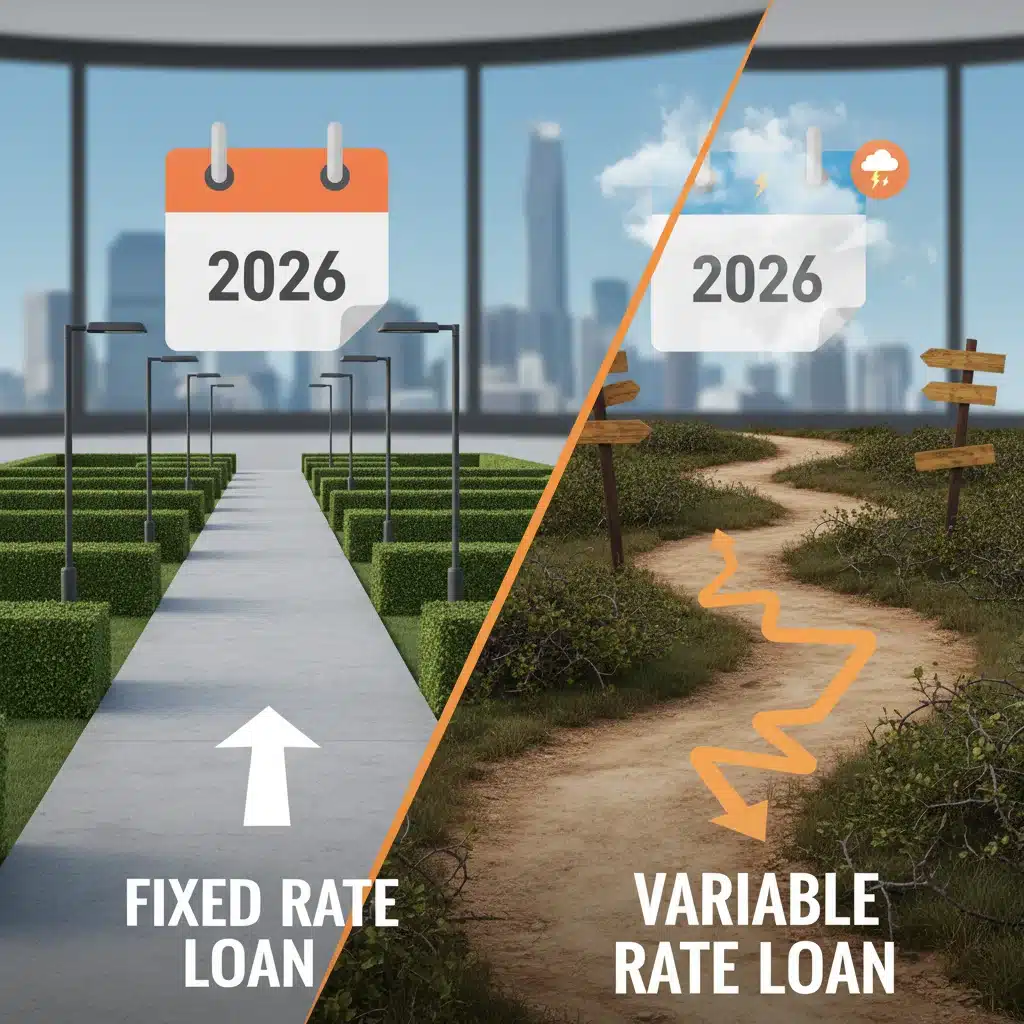
A fixed rate loan, as its name suggests, comes with an interest rate that remains constant throughout the entire life of the loan. This means your monthly payments for principal and interest will not change, providing a predictable and stable financial commitment. This predictability is often a major draw for borrowers who prioritize budgeting and want to avoid unexpected increases in their loan obligations.
Key Characteristics of Fixed Rate Loans:
- Predictable Payments: Your monthly repayment amount remains the same, making budgeting straightforward and stress-free.
- Stability: You are protected from potential interest rate hikes in the market, even if the economy experiences inflation or central banks raise rates.
- Easier Budgeting: Knowing exactly how much you owe each month simplifies financial planning and helps avoid financial surprises.
- Initial Higher Rates: Fixed rates are often slightly higher than initial variable rates, as lenders factor in the risk of future interest rate increases.
- Less Flexibility: You won’t benefit if market interest rates fall significantly, as your rate will remain fixed at the initial, higher level.
When are Fixed Rate Loans Most Suitable?
Fixed rate loans are generally ideal for borrowers who:
Anúncios
- Value stability and predictability: If you prefer consistent monthly payments and want to avoid the uncertainty of fluctuating interest rates, a fixed rate loan is an excellent choice.
- Plan to hold the loan for a long period: For long-term commitments like mortgages, a fixed rate can offer peace of mind, especially if you anticipate rising interest rates over the loan term.
- Have a tight budget: Knowing your exact payment amount helps you manage your finances more effectively and avoid overextending yourself.
- Are risk-averse: If you are uncomfortable with the potential for your payments to increase, the security of a fixed rate is invaluable.
Consider a scenario in 2026 where economic indicators suggest a period of potential inflation or an upward trend in interest rates. In such an environment, securing a fixed rate loan could shield you from future payment increases, offering significant financial relief and stability. This makes fixed rate loans a powerful tool for prudent financial planning.
The Dynamics of Variable Rate Loans
In contrast to fixed rate loans, variable rate loans, also known as adjustable-rate loans, have an interest rate that can change over time. These rates are typically tied to a benchmark interest rate, such as the prime rate or the Secured Overnight Financing Rate (SOFR) in the US, or the Bank of England’s base rate in the UK. As the benchmark rate fluctuates, so too will the interest rate on your loan, leading to changes in your monthly payments.
Key Characteristics of Variable Rate Loans:
- Fluctuating Payments: Your monthly payment amount can increase or decrease based on market interest rate movements.
- Potential for Lower Initial Rates: Variable rates often start lower than fixed rates, making them attractive to borrowers seeking lower initial payments.
- Benefit from Falling Rates: If market interest rates decline, your loan payments will also decrease, saving you money.
- Risk of Rising Rates: Conversely, if market interest rates increase, your payments will go up, potentially straining your budget.
- Caps and Floors: Many variable rate loans include caps (maximum interest rate) and floors (minimum interest rate) to limit how much the rate can change, offering some protection.
When are Variable Rate Loans Most Suitable?
Variable rate loans are often preferred by borrowers who:
- Are comfortable with risk: You must be prepared for the possibility of your payments increasing if interest rates rise.
- Anticipate falling interest rates: If economic forecasts suggest a period of declining interest rates, a variable rate loan could lead to significant savings.
- Plan to pay off the loan quickly: If you intend to repay the loan within a short timeframe, you might be able to take advantage of lower initial rates before potential rate increases occur.
- Have a healthy financial cushion: Having extra savings can help absorb any payment increases without causing financial distress.
For example, if analysts in 2026 predict a period of economic slowdown and subsequent interest rate cuts by central banks, opting for a variable rate loan could prove beneficial, as your payments would decrease over time. However, this strategy carries inherent risk, as economic predictions are not always accurate. Understanding the interplay between fixed variable loans requires a careful assessment of your risk tolerance and financial outlook.
2026 Economic Outlook and Interest Rate Projections
The year 2026 presents a unique economic landscape that will heavily influence the choice between fixed and variable rate loans. Global economic trends, inflationary pressures, geopolitical events, and central bank policies will all play a role in shaping interest rate environments. While it’s impossible to predict the future with absolute certainty, financial analysts offer projections that can guide your decision-making process.
Factors Influencing Interest Rates in 2026:
- Inflation: Persistent inflation can prompt central banks to raise interest rates to cool down the economy, making variable rates more expensive.
- Economic Growth: Strong economic growth generally leads to higher interest rates, while recessions or slowdowns can lead to cuts.
- Central Bank Policies: Decisions by major central banks, such as the Federal Reserve, European Central Bank, and Bank of England, are paramount. Their stance on monetary policy will directly impact benchmark rates.
- Geopolitical Stability: Global events can create uncertainty, influencing market sentiment and potentially affecting interest rates.
- Supply Chain Dynamics: Continued disruptions or improvements in global supply chains can impact inflation and, consequently, interest rate decisions.
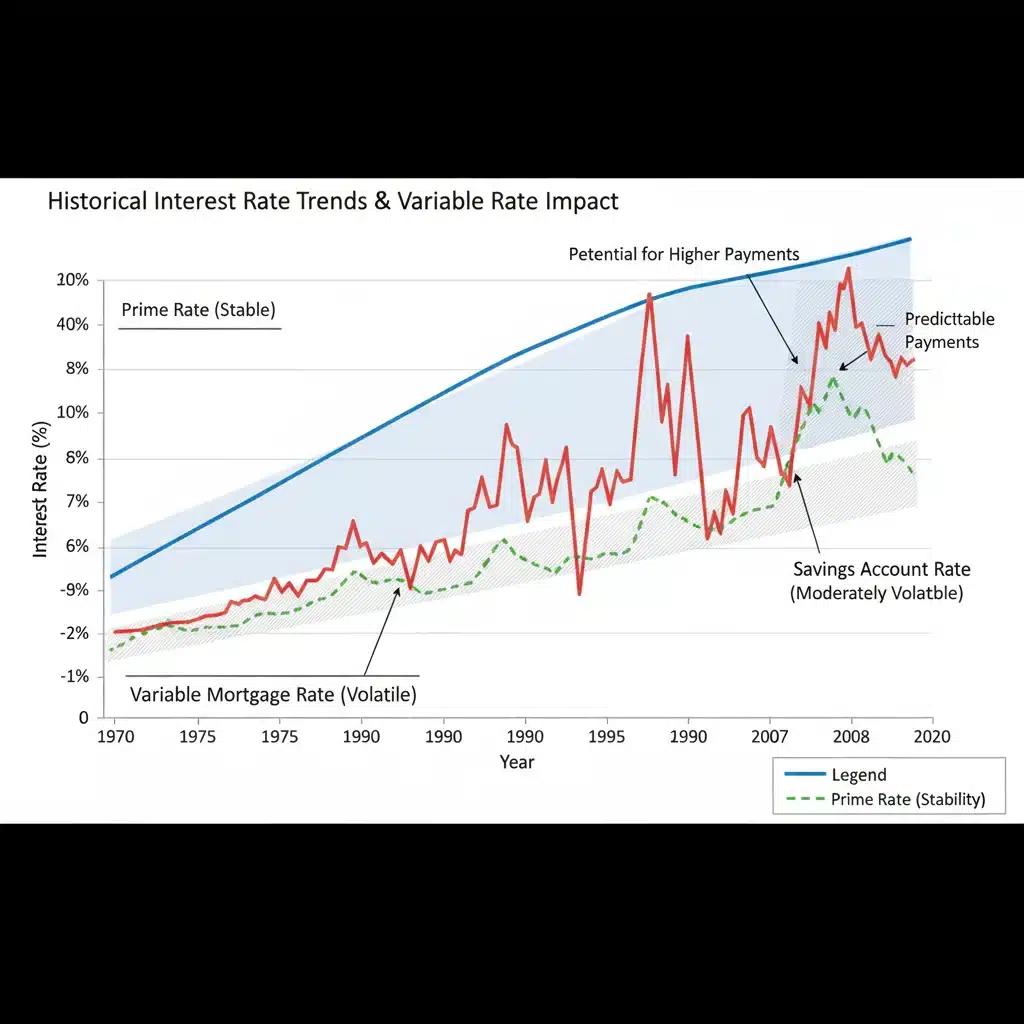
As of early 2026, many economists are closely watching the lingering effects of post-pandemic recovery and the efficacy of recent monetary tightening cycles. Some anticipate a stabilization of inflation and a potential plateauing or slight decrease in interest rates, while others warn of continued volatility. This mixed outlook underscores the importance of a well-considered approach to fixed variable loans decisions.
Comparing Fixed and Variable Rate Loans: A 2026 Perspective
To make the best decision for your personal financing in 2026, it’s crucial to weigh the pros and cons of fixed and variable rates against your personal financial situation and market predictions.
Pros and Cons Summary:
| Feature | Fixed Rate Loans | Variable Rate Loans |
|---|---|---|
| Payment Stability | High (consistent payments) | Low (payments can fluctuate) |
| Interest Rate Risk | Low (protected from rate hikes) | High (exposed to rate hikes) |
| Initial Rate | Often higher | Often lower |
| Benefit from Falling Rates | No | Yes |
| Budgeting Ease | Very easy | More challenging |
| Predictability | Excellent | Limited |
Scenarios for 2026:
- Scenario 1: Expected Rate Increases. If economic forecasts strongly suggest a continued upward trend in interest rates through 2026, a fixed rate loan would be the safer bet. It locks in your current rate, protecting you from future increases.
- Scenario 2: Expected Rate Decreases. If analysts predict a significant decline in interest rates, a variable rate loan could offer substantial savings. However, this is a riskier proposition, as rate predictions are not always accurate.
- Scenario 3: Stable or Uncertain Rates. In a period of high uncertainty or expected stability, the choice becomes more nuanced. Your personal risk tolerance and financial goals will be the primary drivers. If you prioritize peace of mind, fixed is better. If you have a strong financial buffer and are willing to gamble on lower rates, variable might appeal.
The key is to align your loan choice with your personal financial strategy and outlook on the 2026 economy. For fixed variable loans, a deep dive into your financial health is non-negotiable.
Personal Financial Considerations
Beyond market conditions, your personal financial situation is paramount in deciding between fixed and variable rate loans. What works for one person may not work for another, even in the same economic climate.
Your Risk Tolerance:
How comfortable are you with uncertainty? If the thought of your monthly payments increasing causes you stress, a fixed rate loan offers invaluable peace of mind. If you are financially resilient and comfortable with the possibility of fluctuating payments in exchange for potential savings, a variable rate might be suitable. Your risk tolerance is a deeply personal factor that should heavily influence your decision regarding fixed rate loans versus variable.
Your Budget and Cash Flow:
Do you have a strict budget that cannot absorb unexpected increases in expenses? If so, the predictability of a fixed rate loan is crucial. If your income is stable and you have a significant emergency fund, you might be able to absorb higher payments associated with a variable rate loan.
Your Loan Term:
- Short-term loans (e.g., 1-5 years): For shorter loan terms, the impact of interest rate fluctuations on a variable rate loan might be less significant, and you could benefit from lower initial rates.
- Long-term loans (e.g., 15-30 years): For long-term commitments like mortgages, the cumulative effect of interest rate changes on a variable rate loan can be substantial. A fixed rate offers protection over decades.
Your Future Financial Plans:
Are you expecting a significant increase in income in the near future that would make higher payments manageable? Are you planning to sell an asset or receive a windfall that would allow you to pay off the loan early? These future plans can influence whether the flexibility of a variable rate or the stability of a fixed rate is more advantageous. For instance, if you anticipate a large bonus in 2027 that would allow you to clear your debt, a variable rate loan with a lower initial payment might be appealing, even if rates are projected to rise in the interim.
Types of Loans and Their Rate Structures
The choice between fixed and variable rates isn’t universal; it also depends on the type of loan you’re considering. Different loan products often lean towards one rate structure or the other, or offer both with specific features.
Mortgages:
Mortgages are perhaps the most common loan type where the fixed vs. variable decision is paramount. In the US, 30-year fixed-rate mortgages are very popular for their stability. Adjustable-rate mortgages (ARMs) offer initial fixed periods (e.g., 5/1 ARM, 7/1 ARM) before converting to a variable rate. The decision here often hinges on how long you plan to stay in the home and your outlook on long-term interest rates. For a homeowner in 2026, considering a new mortgage or refinancing, the choice between a fixed 30-year rate and a 5/1 ARM would depend heavily on their long-term housing plans and risk appetite.
Personal Loans:
Personal loans can come with either fixed or variable rates. Fixed-rate personal loans are common for debt consolidation or specific purchases, offering predictable payments. Variable-rate personal loans might be offered by some lenders, particularly for smaller amounts or shorter terms, where the borrower is less exposed to long-term rate fluctuations. The decision for fixed variable loans in this category often comes down to the loan amount and the repayment schedule.
Student Loans:
Federal student loans are typically offered with fixed interest rates. Private student loans, however, can be offered with both fixed and variable rates. Given the often long repayment periods for student loans, many borrowers prefer the stability of a fixed rate to avoid potential payment increases over decades. However, if market rates are exceptionally low and expected to remain so, a variable rate might be considered by those with a higher risk tolerance.
Auto Loans:
Most auto loans are fixed-rate. The relatively shorter term (typically 3-7 years) and the desire for predictable car payments make fixed rates the preferred option for both lenders and borrowers. Variable-rate auto loans are less common but can exist, usually with very specific terms.
Home Equity Lines of Credit (HELOCs):
HELOCs are almost exclusively variable-rate products. They are tied to a benchmark rate and fluctuate accordingly. Borrowers use HELOCs for flexibility, drawing funds as needed, but must be aware of the variable interest rate risk. For a homeowner in 2026 looking to tap into their home equity, a HELOC offers flexibility but demands careful monitoring of interest rate changes. This is a clear case where understanding variable rate loans is critical.

Making the Right Choice in 2026
The decision between fixed and variable rate loans is not one-size-fits-all. It requires a thoughtful evaluation of several factors:
1. Assess Your Financial Situation:
- Income Stability: How secure is your income? Can it withstand potential payment increases?
- Emergency Fund: Do you have sufficient savings to cover several months of expenses, including potentially higher loan payments?
- Debt-to-Income Ratio: How much of your income is already allocated to debt payments? A high ratio might suggest prioritizing stability.
2. Research Market Forecasts for 2026:
- Consult reputable financial news sources, economic reports, and expert analyses regarding interest rate predictions.
- Understand the factors that could cause rates to rise or fall in the coming years.
3. Consider the Loan’s Purpose and Term:
- Is it a short-term or long-term loan?
- What is the total amount borrowed? Larger, longer-term loans generally benefit more from fixed rates.
4. Understand Loan Specifics:
- For variable rate loans, know the benchmark index, margin, adjustment frequency, and any caps or floors.
- For fixed rate loans, compare the initial rates offered by different lenders.
5. Run Scenarios:
Use online calculators to compare total costs under different interest rate scenarios for both fixed and variable options. For example, calculate the total cost of a variable loan if rates increase by 1%, 2%, or even 3% over the loan term. This allows you to visualize the worst-case scenario for a variable rate and compare it to the predictable cost of a fixed rate.
6. Seek Professional Advice:
If you’re still unsure, consult with a financial advisor. They can provide personalized advice based on your unique financial profile and goals for 2026. Their insights can be invaluable in navigating the complexities of fixed variable loans.
The Impact of Refinancing on Fixed vs. Variable Decisions
Refinancing is another critical aspect to consider when evaluating fixed vs. variable rate loans, especially in 2026. Many borrowers choose to refinance an existing loan to take advantage of lower interest rates or to switch between fixed and variable rate structures.
Refinancing from Variable to Fixed:
If you currently have a variable rate loan and interest rates are on the rise, refinancing into a fixed rate can lock in your payments and protect you from further increases. This is a common strategy when economic forecasts suggest sustained rate hikes. For instance, if you took out a variable rate mortgage in 2024 at a very low initial rate, and by 2026, rates have significantly increased, refinancing into a fixed rate would provide much-needed stability and predictability for your monthly budget.
Refinancing from Fixed to Variable:
Conversely, if you have a fixed rate loan and market interest rates have dropped considerably, you might consider refinancing into a variable rate to take advantage of lower payments. This move requires careful consideration of the potential for rates to rise again in the future. It’s a strategic play for borrowers who are confident in their ability to monitor market trends and absorb potential future increases, or who plan to pay off the loan quickly. For example, if you have a fixed-rate personal loan from 2023 with a high rate, and by 2026, general interest rates have fallen, switching to a variable rate might offer immediate savings, provided you are comfortable with the inherent risk of future fluctuations.
Refinancing Considerations in 2026:
- Closing Costs: Refinancing often involves fees and closing costs. You need to calculate whether the savings from a lower interest rate outweigh these upfront expenses.
- Break-Even Point: Determine how long it will take for your savings from a lower interest rate to cover the refinancing costs. If you plan to move or pay off the loan before this break-even point, refinancing might not be worthwhile.
- Credit Score Impact: Your credit score will be a factor in securing the best refinancing rates. Ensure your credit is in good standing before applying.
- Market Timing: Timing the market for refinancing is challenging. It’s often more about securing a rate that works for your personal financial plan rather than trying to hit the absolute lowest point.
Refinancing offers a powerful tool to adjust your loan structure as market conditions and your personal situation evolve. Understanding how it fits into the broader picture of fixed variable loans is essential for long-term financial health.
Conclusion: Navigating Personal Finance in 2026
The choice between fixed and variable rate loans is a pivotal one that can significantly impact your financial well-being, especially as we look at the economic landscape of 2026. There is no universally ‘better’ option; the optimal choice depends entirely on your individual circumstances, risk tolerance, and outlook on future interest rate movements.
Fixed rate loans offer the invaluable benefit of predictability and stability, shielding you from potential rate hikes and simplifying your budgeting. They are ideal for risk-averse individuals, those with tight budgets, and borrowers taking on long-term debt. On the other hand, variable rate loans often come with lower initial rates and the potential for savings if interest rates decline, appealing to those comfortable with market fluctuations and who have a robust financial safety net.
As you make your decision in 2026, remember to:
- Assess your personal financial comfort with risk.
- Analyze current economic forecasts and interest rate projections.
- Consider the specific details and term of the loan.
- Utilize financial tools and professional advice to model different scenarios.
By carefully evaluating these factors, you can confidently choose the loan structure that best aligns with your financial goals, ensuring a more secure and predictable financial journey in 2026 and beyond. Making an informed decision about fixed variable loans is a cornerstone of effective personal finance management.
